Should Kids Learn Coding Online or Offline? A Parent's Guide

The digital gold rush is on, and for parents in 2026, the question isn't just if their child should learn to code, but where that spark happens. As you search for "coding classes near me," you’ll notice a major shift: you’ll find that the lines between the physical lab and the digital studio are blurring. There is a unique magic in the "click" of a gear and the energy of a shared breakthrough.
However, modern life requires a different kind of mix and the ability to be flexible. Choosing between offline vs. online coding isn’t about picking a "better" version; it’s about choosing the environment where your child feels most unstoppable.
At OBotz, we’ve bridged this gap. While our offline classes offer a high-octane, hands-on engineering experience, our online classes bring that same mentorship and professional-grade logic into your home. Whether they are at a lab bench or their own desk, the mission remains the same: turning curiosity into a high-speed cognitive workout.
In this guide, we’ll explore the unique strengths of both worlds—helping you find the perfect fit for your child’s personality and your family’s schedule.
Coding is no longer a niche hobby; it’s the new foundational literacy for the next generation of creators and leaders. As parents, the challenge isn't just finding a program—it’s finding an environment that turns "screen time" into real-world breakthroughs. This search usually leads to a choice between two high-impact models: the interactive flexibility of online coding for kids and the high-energy, collaborative atmosphere of a traditional offline coding academy.
In 2026, the "best" choice isn't about the technology—it's about the experience. Whether your child thrives in a hands-on lab or finds their deepest focus in a digital studio, the mission remains the same: transforming abstract logic into unshakeable confidence.
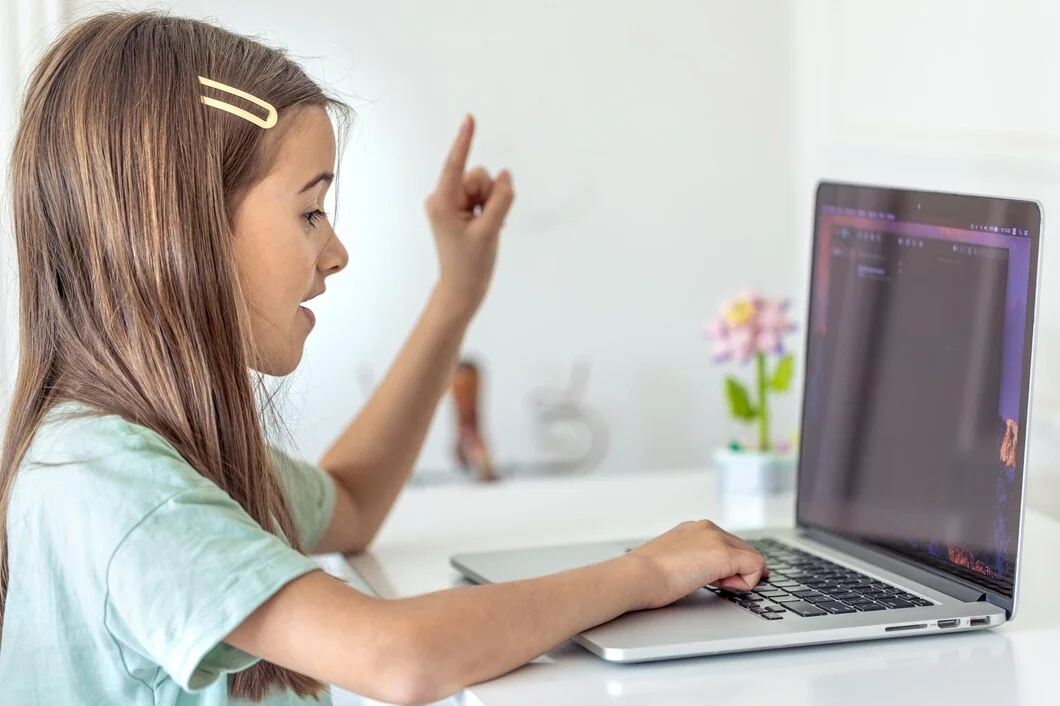
Online coding for kids is designed to bring structured STEM learning into a familiar home environment. Instead of focusing on tools or platforms, the emphasis is on building logical thinking through guided instruction and interactive simulations.
Explore our beginner’s guide to STEM learning and how it can help your child, before we dive into its advantages.
1. Comfortable Learning Environment: Many children feel more at ease learning from home, which can help them stay engaged and focus better during sessions.
2. Guided Mentorship: Students learn through instructor-led sessions, where mentors guide them step-by-step while they work on coding concepts and simulations.
3. Interactive Simulations: Instead of physical kits, students work with digital simulations that help them understand how logic, sequencing, and problem-solving work in real-world robotics scenarios.
4. Flexible Scheduling: Online classes make it easier for families to fit structured learning into busy routines without the need for travel.
5. Parental Visibility: Since learning happens at home, parents can easily observe their child’s progress and involvement during sessions.
While online learning offers flexibility and accessibility, younger children may still require guidance to stay focused. The absence of physical interaction with hardware means learning is more concept-driven than tactile.
The offline learning environment is built around practical, hands-on experience where children directly interact with robotics components and electronic systems.
1. Hands-On Experience: Students work with physical components like motors, sensors, and circuits, allowing them to see how coding translates into real-world actions.
2. Immediate Mentor Support: Instructors are physically present to guide students, correct mistakes instantly, and provide personalized attention when needed.
3. Structured Learning Environment: A dedicated classroom setting helps reduce distractions and creates a focused space for learning and experimentation.
4. Peer Interaction: Learning alongside other students encourages collaboration, idea-sharing, and confidence-building through group problem-solving.
5. Real-World Application: Building and testing physical models helps students connect theoretical concepts with practical outcomes, strengthening their understanding.
Offline classes require fixed schedules and travel, but they provide a more immersive experience for children who learn best through physical interaction and direct guidance.
To effectively master a STEM classes comparison, the focus shifts from "where" the learning happens to "how" the curriculum empowers the student. OBotz has bridged this gap by ensuring that, whether a student is at a physical desk or a home workstation, the educational "hero" remains the tangible skill set they walk away with.
Here is the breakdown of how both formats achieve elite measurable outcomes.
|
Parameter |
Online Coding Classes |
Offline Coding Academy (OBotz Labs) |
Why It Matters for Parents |
|
Age Suitability |
Best for 8+ years; requires basic computer handling and independent attention |
Suitable for younger learners as well; hands-on guidance supports early skill development |
Younger children often learn better through physical interaction and guided support |
|
Attention Span |
Learning happens in shorter, structured sessions at home |
Dedicated classroom environment enables longer focus and fewer distractions |
A structured setting helps children build stronger concentration habits |
|
Learning Experience |
Concept-driven learning through simulations and guided instruction |
Hands-on learning with real components like motors, sensors, and circuits |
Physical interaction makes abstract concepts easier to understand |
|
Skill Retention |
Based on visual understanding and repetition |
Reinforced through tactile learning and real-world application |
“Learning by doing” helps concepts stay longer and feel more intuitive |
|
Mentor Support |
Instructor-led, but limited to screen-based guidance |
In-person mentors provide immediate, personalized support |
Instant feedback reduces frustration and accelerates learning |
|
Peer Interaction |
Limited interaction with other students |
Strong collaboration, teamwork, and shared problem-solving |
Social learning builds confidence and communication skills |
|
Convenience |
High flexibility; no travel required |
Fixed schedule with travel to center |
Online is easier logistically, but offline creates a dedicated learning routine |
|
Real-World Exposure |
Focus on understanding logic and coding concepts |
Direct application through building and testing physical models |
Hands-on exposure builds a stronger engineering mindset |
At OBotz, we don't believe in a "one-size-fits-all" model. Every child processes information differently. While some thrive in the high-energy, collaborative environment of an offline coding academy, others find their best focus through the structured, digital precision of online coding for kids.
The curriculum is identical. The mentorship is expert. The choice simply comes down to how your child interacts with their surroundings.
Why Families Choose Offline Classes:
For many, the physical class is where abstract concepts finally "click." It is a dedicated space designed for one thing: innovation.
Why Families Choose Online Classes
The virtual model isn't a "backup"—it’s a high-performance alternative for the modern, tech-savvy student.

The "best" class is the one your child looks forward to every week. At OBotz, we specialize in multi-level robotics and coding programs that adapt to your family's needs while maintaining world-class educational standards.
Stop searching and start coding!
Take a free trial class at OBotz and give your child the edge they deserve.
Both formats teach syntax and logic. However, offline classes often lead to better outcomes in spatial reasoning and hardware manipulation, while online classes can accelerate independent research skills and digital literacy.
Physical classrooms offer "social accountability"—children are less likely to get distracted when their peers and teachers are in the same room. Virtual classrooms require higher levels of self-discipline but offer gamified interfaces to keep kids interested.
Not at all—the OBotz curriculum is identical across both formats to ensure every student hits the same elite STEM milestones.
Both are equally effective because they use the same elite curriculum; the "best" format is simply the one that aligns with your child's learning style.
Consider your child’s learning style, your weekly schedule, and whether the curriculum includes physical robotics (which favors offline) or just software (which favors online).
For very young children (ages 5-8), in-person training is generally more effective due to shorter attention spans. For older children, online classes are equally effective.