The Student's Guide to Winning a Robotics Competition in Canada (From First-Timer to Finalist)

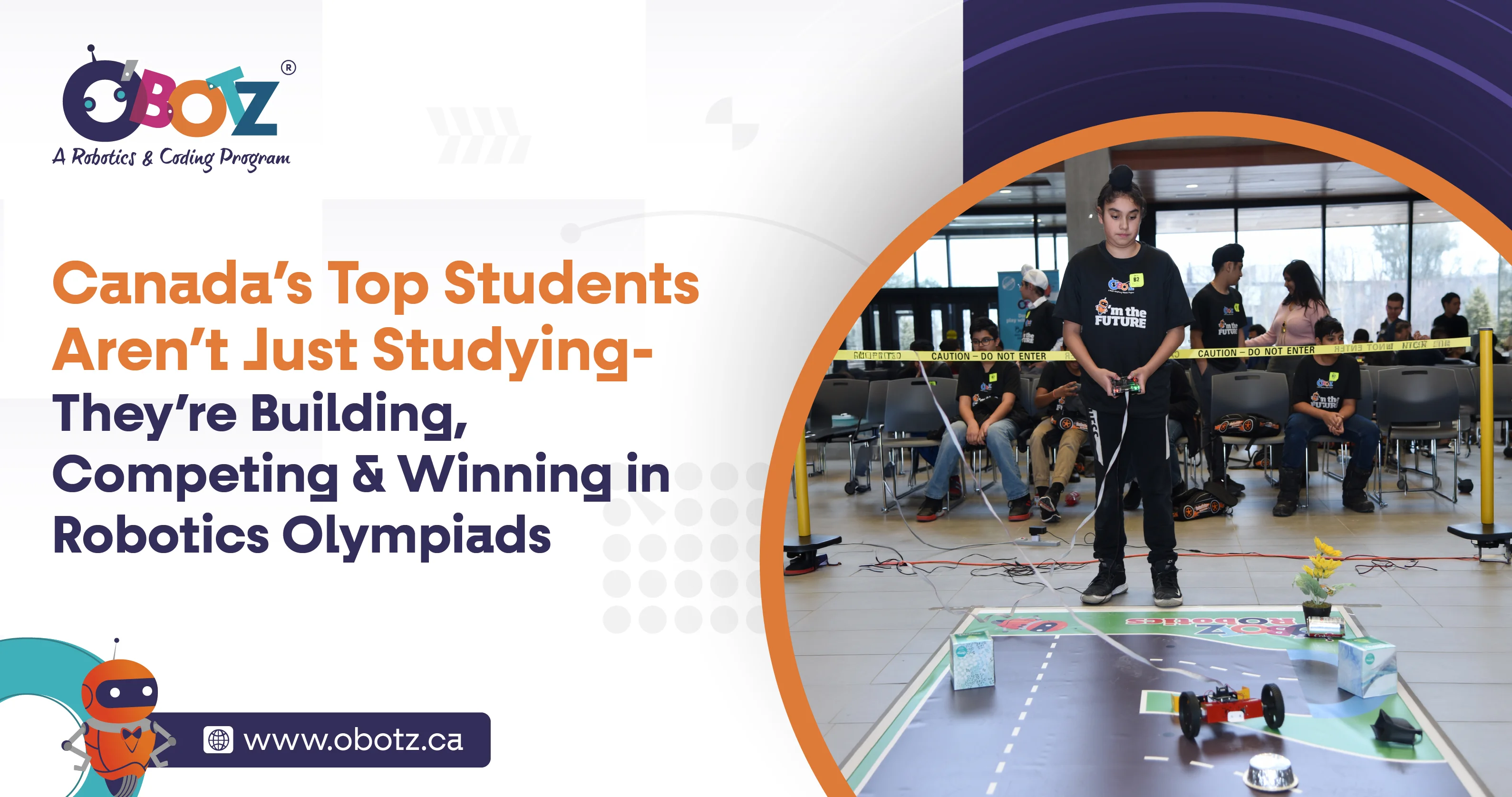
If you’ve ever watched a robotics competition Canada kids event, you’ve probably thought one thing:
“These students must be on another level.”
But here’s the truth most people don’t see.
Those finalists?
Most of them started exactly where you are—confused, curious, and slightly overwhelmed.
Whether it’s your first student robotics olympiad Canada event or you’re aiming to level up at the next national robotics competition Canada, this guide will walk you through what actually works.
And if you’re just starting out, programs like OBotz are designed to help students build the exact skills needed to compete and win.
Before you think about winning, you need to understand the game.
Canada hosts multiple formats of competitions—from school-level contests to global platforms like FIRST Robotics Canada and VEX Robotics Competition.
Each has its own structure, but most competitions test three core areas:
The OBotz Robotics Olympiad focuses on age-appropriate challenges, making it one of the best entry points for beginners.
If you’re wondering how to prepare for a robotics competition in Canada, the answer starts with understanding these fundamentals.
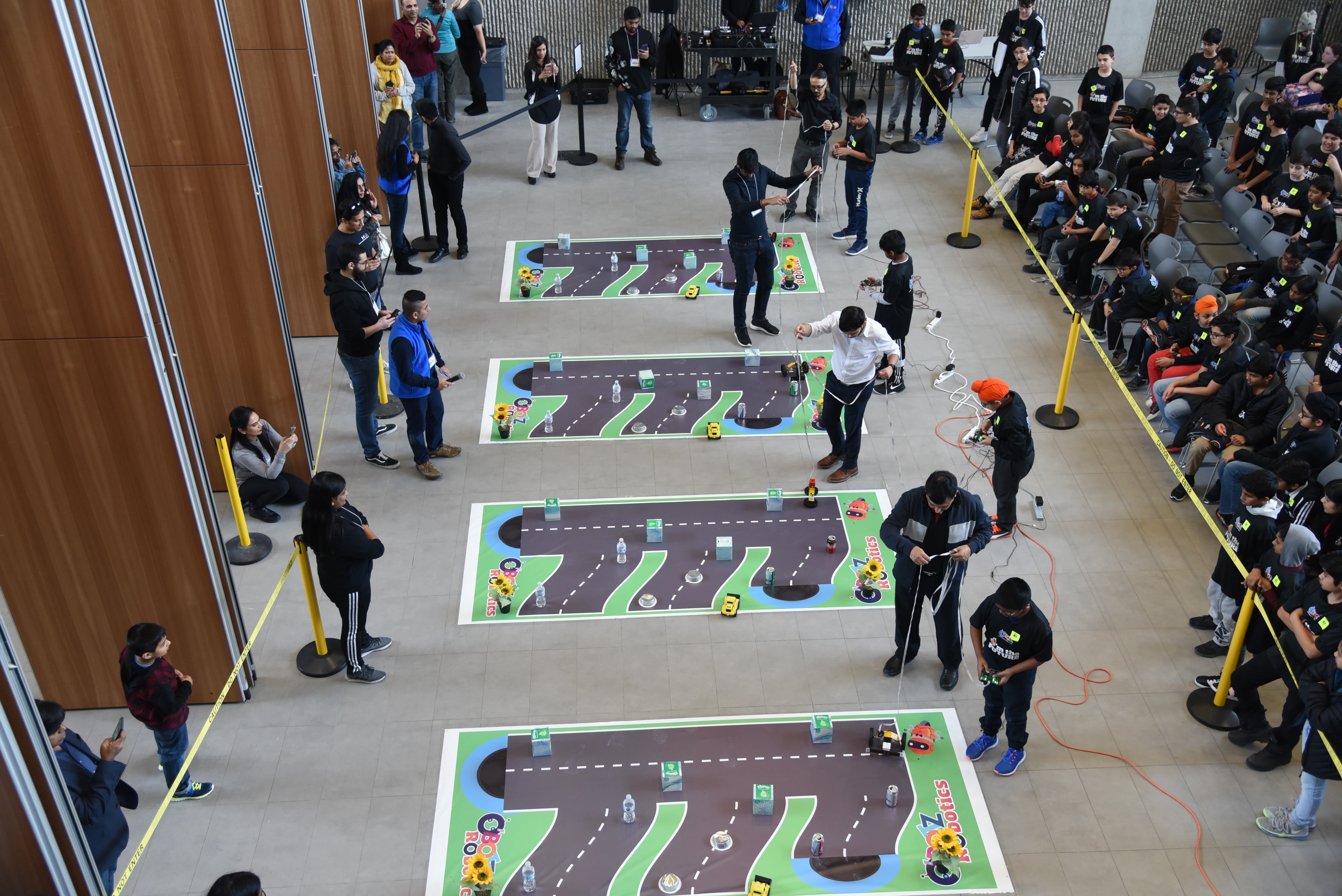
Most beginners jump straight into building robots.
That’s a mistake.
Winning starts long before competition day—it starts with skill-building.
Students who perform well consistently focus on:
This is why structured programs matter.
For example, learning environments that focus on real-world application—like those explained in this guide on real-world problem-solving through robotics help students think beyond instructions.
They don’t just build robots—they build solutions.
Your first national robotics competition Canada for beginners is not about winning.
It’s about learning:
Many students who later become finalists started by:
Think of your first competition as a testing ground—not a performance stage.
Let’s talk about one of the most important areas: design.
If you’re looking for robot design competition tips, here’s what actually matters:
1. Simplicity Wins
Overcomplicated robots fail more often. Judges value reliability.
2. Function Over Flash
A robot that completes tasks efficiently beats one that looks impressive but underperforms.
3. Iteration Is Key
Top students don’t build once—they test, break, and rebuild.
Many winning ideas are inspired by real-world innovation. Learn more about the innovations created by young minds. This helps students think creatively while solving competition problems.
A well-built robot means nothing without strong programming.
In competitions like VEX Robotics Competition, strategy often matters more than design.
Here’s what top performers do differently:
This is where competition prep robotics becomes critical.
Students who practice under simulated conditions:
And that’s exactly what separates finalists from participants.
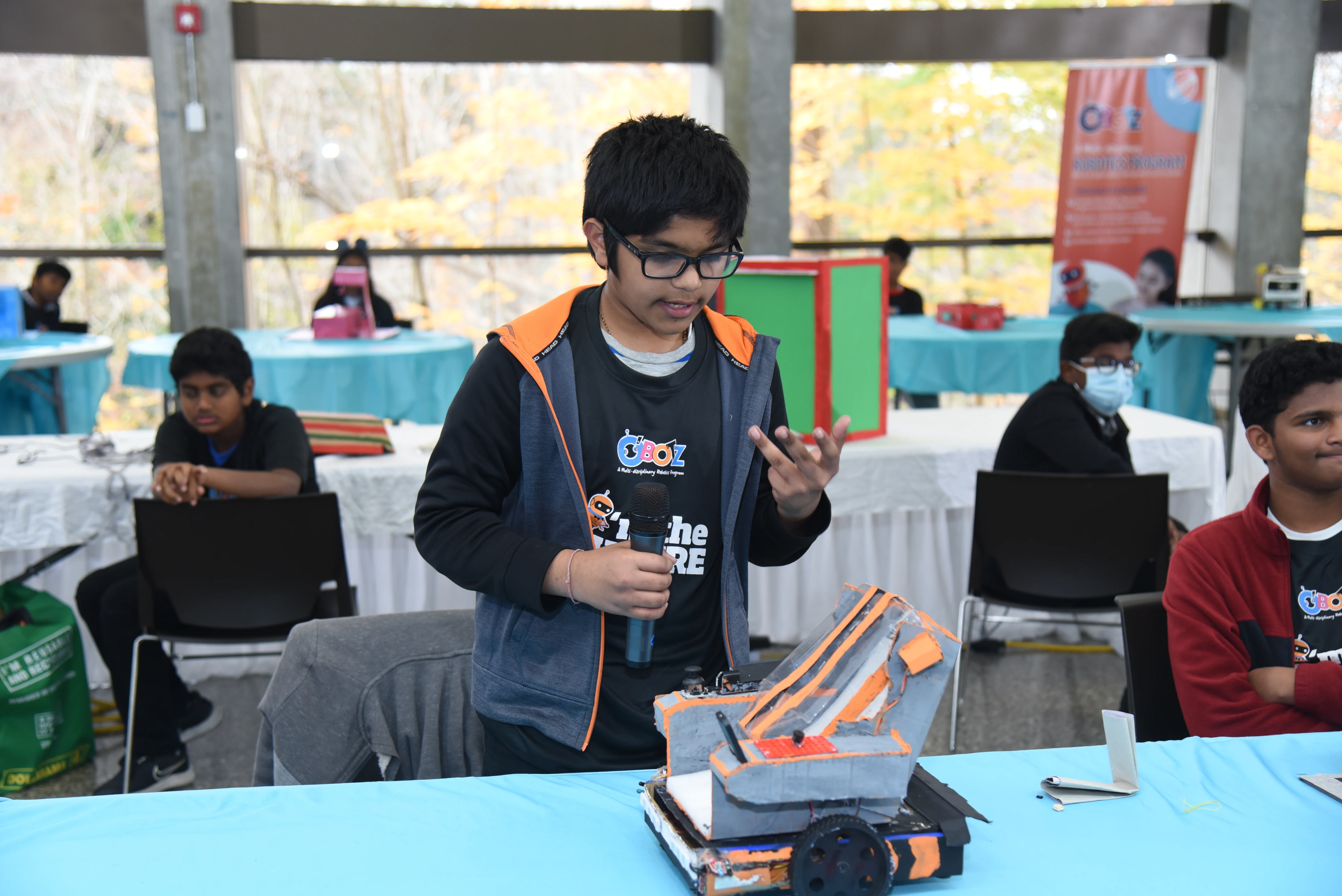
Most people assume robotics is an individual skill.
It’s not.
Every major student guide robotics competition Canada 2026 highlights teamwork as a deciding factor.
Winning teams:
Interestingly, these are the same skills highlighted in this resource life skills kids learn through robotics. Competitions aren’t just about robots—they’re about people working together.
Here’s the shift most students never make.
They practice casually—but compete seriously.
Top performers do the opposite.
They:
If you’re aiming to win an OBotz Olympiad tips for kids style competition, your preparation needs to match the intensity of the event.
Think of it like sports—you don’t just show up and play. You train strategically.
The robotics space is evolving fast.
Students who stay ahead explore advanced tools, such as those introduced in nano robotics and future tech learning. This gives them exposure to:
And that’s exactly what judges notice—students who go beyond the basics.
Even well-prepared students lose because of poor execution.
Here’s what finalists do differently on competition day:
They don’t panic when something breaks.
They adapt.
That mindset is what turns participants into finalists in events like the robotics competition Canada kids circuit.
Winning one competition is great.
But real success comes from continuous improvement.
Students who consistently perform well:
This is especially important if you aim to compete in platforms like FIRST Robotics Canada or larger global events.
Because at higher levels, the difference between teams is not knowledge—it’s consistency.
The gap between casual learners and finalists often comes down to structured training.
Platforms like OBotz provide:
If you explore their programs, you’ll see how they align closely with what competitions actually demand.
Because winning isn’t about talent alone—it’s about preparation.
Every robotics finalist in Canada once struggled with:
The difference?
They didn’t stop.
They learned, improved, and showed up again.
If you’re serious about competing—and winning—your journey starts now.
Book your first hands-on experience here. Because the sooner you start, the faster you grow.
Most students begin with structured learning programs, practice building simple robots, and participate in local competitions. They focus on understanding rules, teamwork, and basic programming before aiming for advanced levels.
Judges evaluate design efficiency, problem-solving ability, teamwork, innovation, and presentation. A well-functioning robot with clear strategy and strong collaboration often scores higher than a complex but inconsistent design.
The OBotz Robotics Olympiad is designed with age-specific challenges, ensuring younger students focus on fundamentals while older participants tackle advanced tasks. This structured progression helps students build skills step by step.
Projects that solve real-world problems, demonstrate efficient design, and perform consistently during tasks tend to stand out. Judges prefer functional and reliable robots over overly complicated ones.
Students can start as early as age 6–8 with basic robotics exposure. Early preparation helps build logical thinking and confidence, which becomes a major advantage in competitive environments.
The latest OBotz National Robotics Olympiad saw students showcase innovative designs, strong teamwork, and creative problem-solving. Many participants demonstrated real-world application skills, reflecting the growing competitiveness of robotics events in Canada.