The Rise of Coding Bootcamps for Teens in Canada: Are They Worth It?

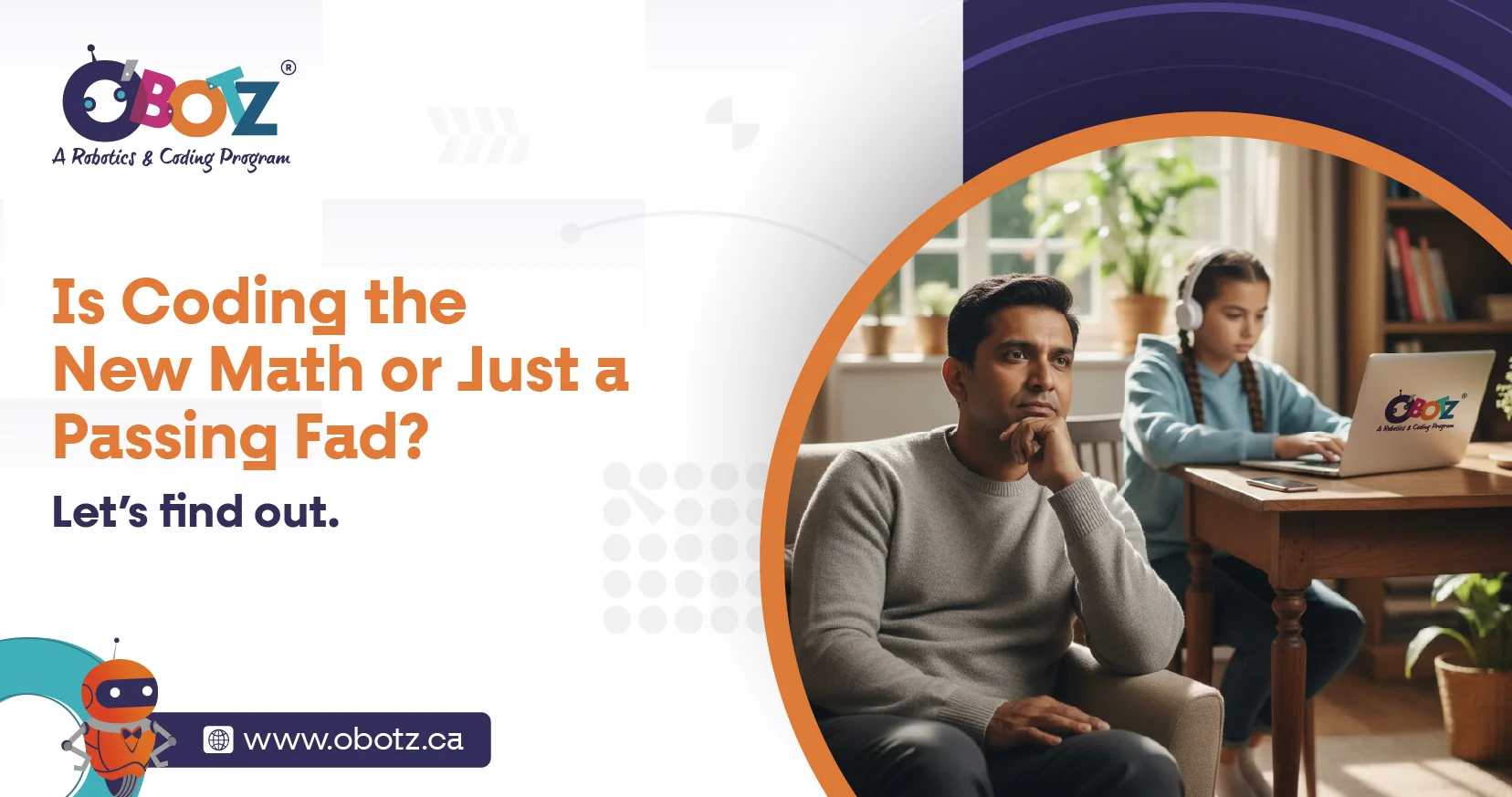
Teenagers today live in a world run by code apps, games, websites, and smart devices. So, it’s no surprise that more Canadian parents are exploring coding classes for kids and hoping to give their children a competitive edge in a digital future. Coding bootcamps, intensive short-term programs that promise to teach in-demand tech skills quickly, have surged in popularity across Canada and the United States. In fact, there are now over 100 coding boot camps in cities across the U.S. and Canada.
But here’s the question: Do these boot camps really deliver? Or are they hype wrapped in high tuition fees? In this blog, we’ll explore what coding bootcamps offer, their trade-offs, when they make sense, and how to choose one that’s right for your teen.
Coding bootcamps are short, intensive programs designed to teach coding and software development skills to children. Instead of lengthy, theory-based lessons, these programs emphasize hands-on, project-oriented learning, where students build real applications and learn to solve real-world problems. According to Course Report, most bootcamps focus on in-demand languages like Python, JavaScript, and HTML, ensuring learners gain skills that match the current tech landscape.
In Canada, bootcamps are particularly popular in tech-driven cities like Toronto, Vancouver, and Montreal, where companies actively seek skilled coders. Many of these bootcamps also provide career support, helping with portfolios, interview preparation, and networking. So when parents hear about “coding camps” or “teen bootcamps,” they’re essentially looking at fast-track, immersive programs meant to give students a head start in the digital world.
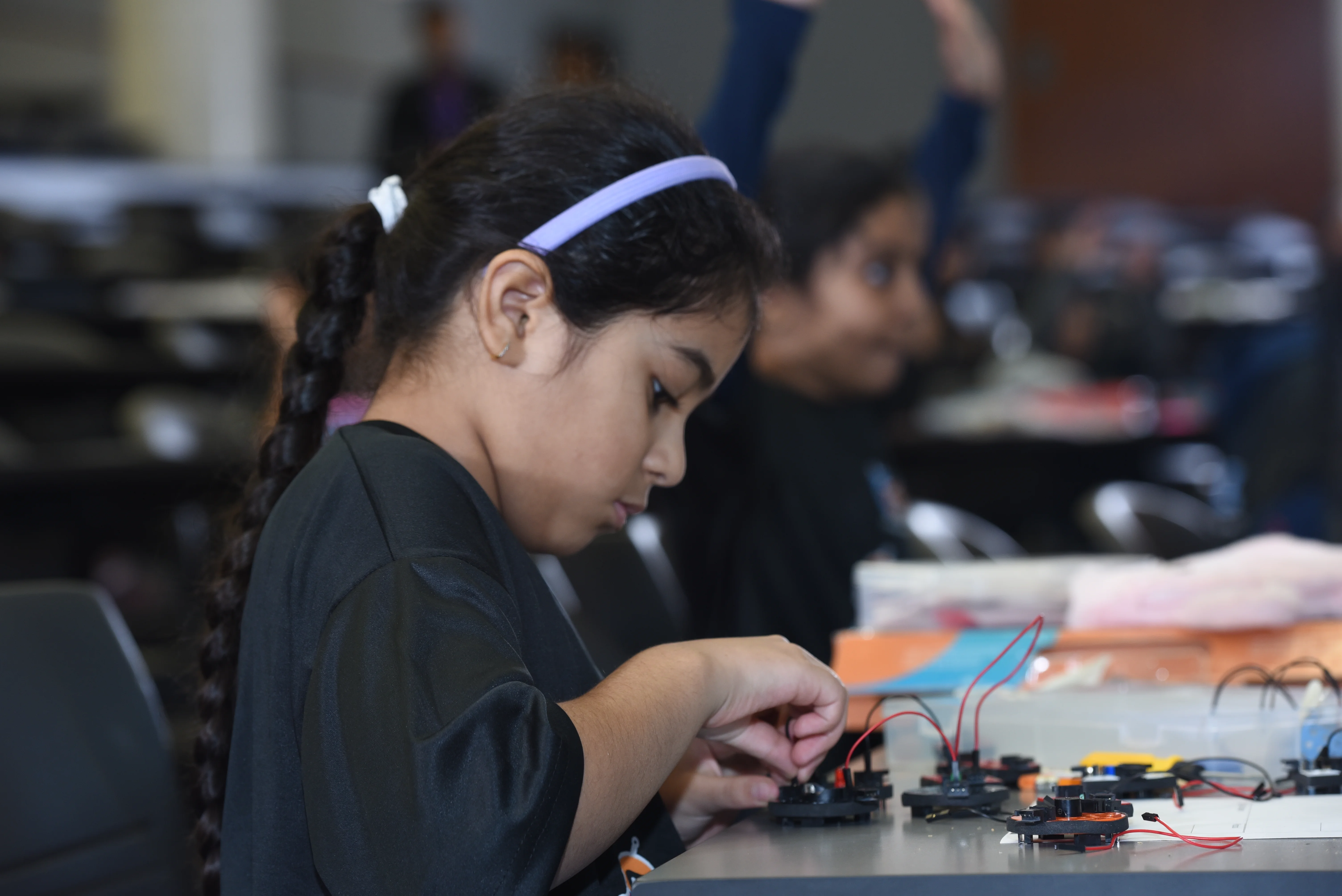
Coding bootcamps sound like the golden ticket to a tech career, fast, focused, and future-ready. They claim to turn complete beginners into job-ready coders within months, a tempting pitch for parents and teens who want results without waiting for a degree. But like most shortcuts, bootcamps come with both bright sides and blind spots. Here’s a balanced look at what they offer and what you should know before enrolling your teen.
Traditional degrees take years; bootcamps compress learning into weeks or months. They focus on coding languages and tools that employers actually use — from JavaScript to Python, cutting straight to what matters. For motivated teens, this means they can start building real projects and see visible progress faster than they would in a typical school setting.
If you’re wondering whether coding still makes sense in a world increasingly shaped by AI, this article, “Is Coding Worth It in the AI Era,” provides perspective on how coding skills remain not just relevant but powerful.
Instead of memorizing formulas, bootcamp students dive into creating apps, websites, and small programs. This project-based approach helps them connect classroom learning with real-world outcomes. It’s one reason many teens find coding camps far more engaging than repetitive math or computer worksheets: they’re solving problems that feel real.
Interestingly, this mindset of learning by doing is also emphasized in our blog on how coding activates thinking in future coders, where practical problem-solving and creative thinking take center stage. Such an approach nurtures innovation rather than rote learning, something every future coder needs.
Bootcamps often connect students with mentors, guest speakers, or even tech recruiters. For older teens, this exposure can be invaluable, giving them a glimpse into what a tech career actually looks like. Some programs even simulate the work environment, helping students build confidence and communication skills alongside coding ones.
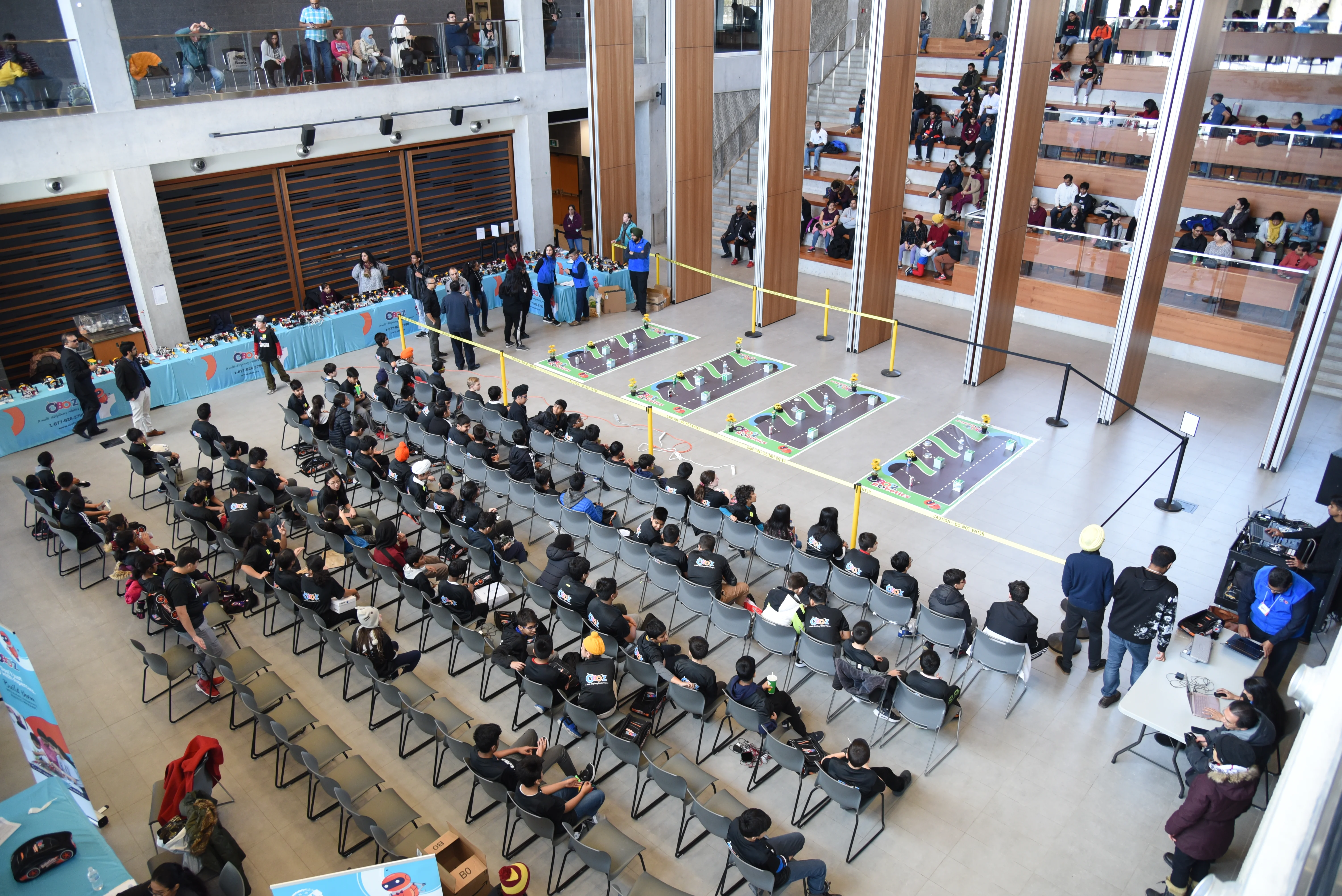
The biggest trade-off? Cost and intensity. Many bootcamps charge thousands of dollars for a few months of training, and while some offer scholarships or flexible payment options, the investment is still significant. Parents should weigh whether the short-term speed justifies the price tag, especially since coding skills can also be learned gradually through affordable programs or coding classes for kids.
Condensed timelines mean long hours and steep learning curves. Teens juggling school, sports, or social lives might find the pace overwhelming. Bootcamps demand discipline and resilience, two traits worth building, but also ones that can lead to burnout if not balanced properly.
Searching for “the best coding classes near me” or enrolling your child in the best bootcamp will just serve as a starting point, not the destination. It can spark interest and provide solid foundations, but mastery requires consistent practice, problem-solving, and lifelong learning. The key for parents is to treat a bootcamp as one step in a broader journey, not a shortcut to guaranteed success.
Coding bootcamps aren’t meant for every teen, and they definitely shouldn’t replace foundational learning. They tend to work best for students who already have a spark for coding, some basic understanding of programming, and the motivation to push themselves further. Teens nearing the end of high school often find them useful for building real-world projects and getting a taste of what a tech career might feel like.
That said, if your child is just beginning to explore technology, gradual exposure is often more effective. Coding class for teens or an after-school club can build confidence, curiosity, and fundamental skills before diving into something intense. For insights on how young learners are adapting in the age of robotics and AI, check out this piece on Gen-Alpha & the AI Revolution in Robotics. The goal is to channel curiosity first, then scale up when the foundation is strong.
Choosing the right coding bootcamp for your teen isn’t just about finding the most popular program. It’s about matching their learning pace, interests, and future goals. Here’s a quick checklist to help you make a smarter decision, and some great alternatives if a full-time bootcamp isn’t the right fit.
|
Factor |
What to Look For |
Why It Matters |
|
Duration |
Short, intensive programs (4–12 weeks) |
Keeps teens engaged without overwhelming them during school terms |
|
Curriculum |
Covers Python, Scratch, or web development basics |
Builds a solid foundation for future learning |
|
Mentorship |
Access to mentors or teaching assistants |
Provides personalized feedback and boosts confidence |
|
Learning Style |
Project-based, hands-on learning |
Makes coding fun and relatable for teens |
|
Cost |
Transparent pricing and flexible options |
Ensures you get value without overspending |
Coding bootcamps can be tremendously valuable if your teen is motivated, ready to commit, and you choose wisely. They’re not magic, but they’re powerful accelerators, especially when paired with foundational cognitive training from programs like OBotz.
If you're curious to explore more about OBotz coding programs and bootcamp, book an experience session with OBotz, or check out our summer coding camps page for more details.
Enroll now, and give your child the tools for tomorrow’s world.
Many bootcamps now design beginner-friendly tracks specifically for teens. These programs balance foundational coding concepts with fun, hands-on projects that keep learning exciting rather than overwhelming.
Bootcamps are usually more intensive, focusing on real-world skills in a shorter time frame. Coding classes for kids, on the other hand, move at a slower pace and often emphasize creativity, play, and logic building.
No program can guarantee employment, but bootcamps can improve a teen’s technical confidence and portfolio. The real benefit lies in practical exposure and networking with mentors or peers in the tech space.
They serve different purposes. Bootcamps offer quick, skill-focused learning, while degrees provide in-depth theoretical grounding and broader career options in technology.
Look for programs with a clear curriculum, experienced instructors, and strong student support. Checking reviews, outcomes, and demo sessions can help you find a trustworthy fit.
That’s perfectly fine; most beginner-level bootcamps start from the basics. Teens only need curiosity and a willingness to experiment with logic and problem-solving.
Effectiveness depends on the student’s learning style and discipline. Many online bootcamps now offer live sessions, mentorship, and project feedback, making them just as engaging and interactive as classroom formats.