The Future of Robotics & Coding in Kids' Education: Emerging Tech to Watch in 2026

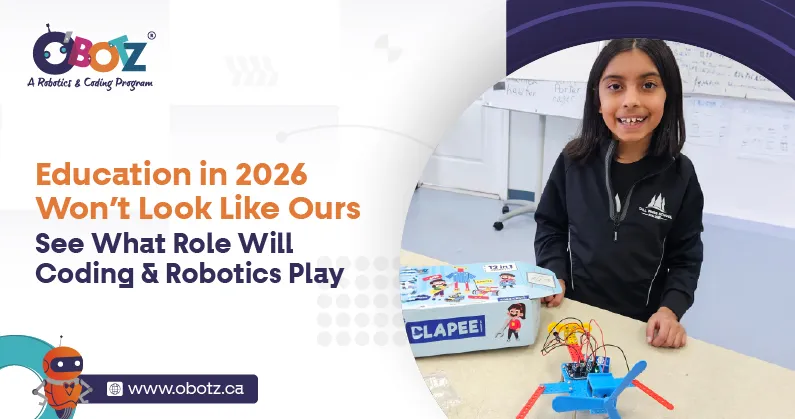
When you picture the classroom of 2026, what comes to mind? Maybe smart boards and tablets. But the real game-changer won’t just be digital textbooks; it will be robotics and coding stepping into the mainstream of kids’ education. No longer confined to niche after-school clubs, these skills are becoming as fundamental as math or science.
Parents searching for robotics for kids today are essentially preparing their children for a tomorrow that will look very different from the classrooms we grew up in.
Let’s look ahead at what the future holds and why robotics and coding are at the heart of it.
Education in 2026 isn’t just about new gadgets—it’s about a mindset shift. Robotics, coding, and AI are becoming the core of how children learn, experiment, and prepare for a future we can barely imagine today. Let’s explore the key ways this transformation is already taking shape.
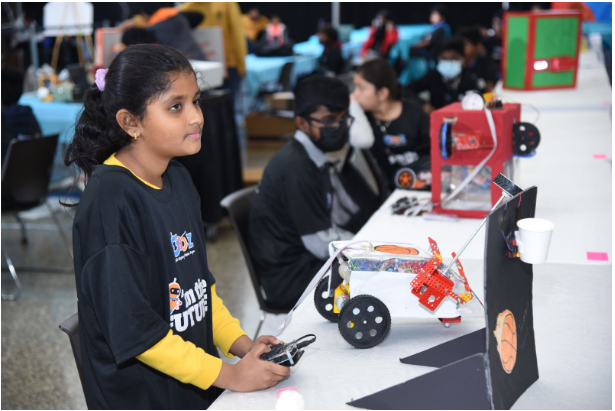
By 2026, robotics won’t be a “special module”; it will become a hands-on science lab where kids can test concepts in physics, math, and even social studies. Imagine a 10-year-old building a robot to simulate how ancient irrigation systems worked, or a group project where kids design a robot that sorts recyclable waste.
At OBotz, the structured 7 Levels of Robotics Program already gives kids a step-by-step learning pathway, ensuring that even the most complex concepts are accessible.
Coding is often called the “new literacy,” and by 2026, it will be treated much like reading and writing, something every child should know. But instead of rote syntax, kids will use coding as a language of creativity.
Think of coding not as typing commands but as storytelling: creating interactive games, designing apps, or programming robots that bring their ideas to life. Parents seeking the best coding classes near them are essentially investing in their child’s creative toolkit for the future.
For inspiration, take a look at how OBotz students showcase their imagination through innovative projects that combine coding and robotics.
Generation Alpha kids born after 2010 are growing up in a world where AI is now a part of their daily lives. From asking Alexa to solve riddles to experimenting with ChatGPT for homework help, this generation is already interacting with artificial intelligence in ways previous generations never imagined. But the big shift isn’t just in how they use AI, it’s in how they’ll be taught to create with it.
Learning won’t be limited to classrooms. Coding and robotics camps will grow in popularity because they provide immersive environments where children can collaborate, experiment, and learn faster.
This new-age skill will give your child a head start and complement their regular school education. They will learn teamwork, problem-solving, and other future-focused skills that are hard to replicate in a typical classroom setting.
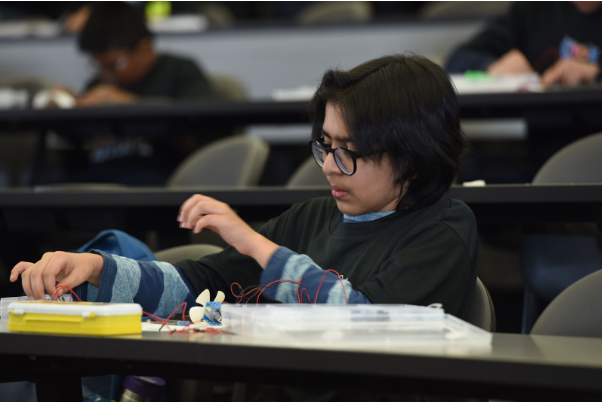
When parents think of robotics for kids, they often picture circuits, coding, and technology. But robotics is more than just STEM; it’s a bridge to real-world skills that shape character, mindset, and future readiness.
While technology is exciting, parents must also keep in mind that too much reliance on automation can dull critical thinking. Kids should use robotics and coding to enhance problem-solving, not replace it. Striking the right balance between tech-driven creativity and real-world thinking will be the hallmark of effective education in 2026.
The future of kids’ education is clear: robotics and coding aren’t optional; they’re essential. By 2026, these skills will shape how children learn, collaborate, and think.
If you’ve been exploring kids' coding classes near me, now is the time to get started. The future isn’t waiting until 2026; it’s unfolding right now. Ready to prepare your child for a tech-driven future?
Explore OBotz programs today by booking a free trial. If you are eager to find a center near you, locate us through our center finder.
Robotics teaches kids how to think critically, solve problems, and create real solutions. It blends fun with learning while preparing them for future careers in tech.
Most kids can start as early as 6–7 years old with simple, block-based coding and basic robotics. As they grow, they can move on to advanced projects and programming languages.
Robotics reinforces STEM concepts like math, science, and logic in hands-on ways. It also helps children retain knowledge longer because they learn by doing.
Not at all, robotics builds universal skills like creativity, collaboration, and resilience. Even kids who pursue non-tech fields gain confidence and problem-solving abilities.
Robotics classes combine coding with hardware, letting kids see their code come to life in moving robots. This makes learning more interactive and engaging compared to screen-only coding.
OBotz combines robotics, coding, and AI in structured levels that grow with your child. Plus, kids get opportunities to showcase their projects and explore real-world applications.
No, when taught responsibly, robotics enhances critical thinking by encouraging kids to analyze, test, and improve their work. Over-reliance is avoided by balancing tech skills with creativity and reasoning.