Earth Day 2026: How Canadian Kids Are Using Coding and Robotics to Solve Environmental Problems

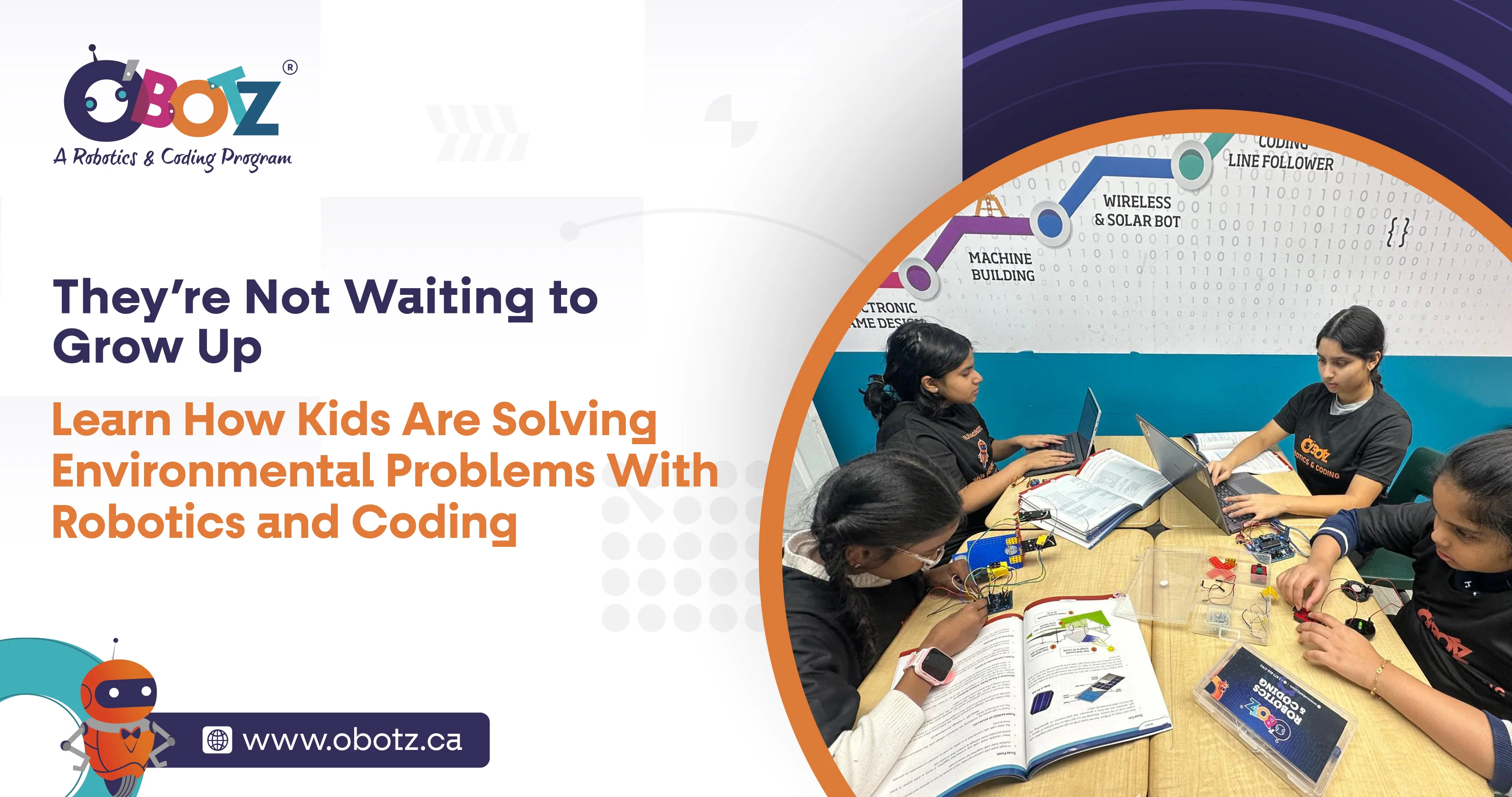
Every year on April 22, Earth Day reminds us to reflect on how we care for our planet. But in 2026, something different is happening.
Children across Canada aren’t just participating in awareness campaigns—they’re actively building solutions.
Through platforms like OBotz, kids are learning how to code, design, and build robots that address real environmental challenges.
From smart recycling systems to water-saving devices, this new wave of Earth Day coding kids Canada 2026 is transforming how we think about education and impact.
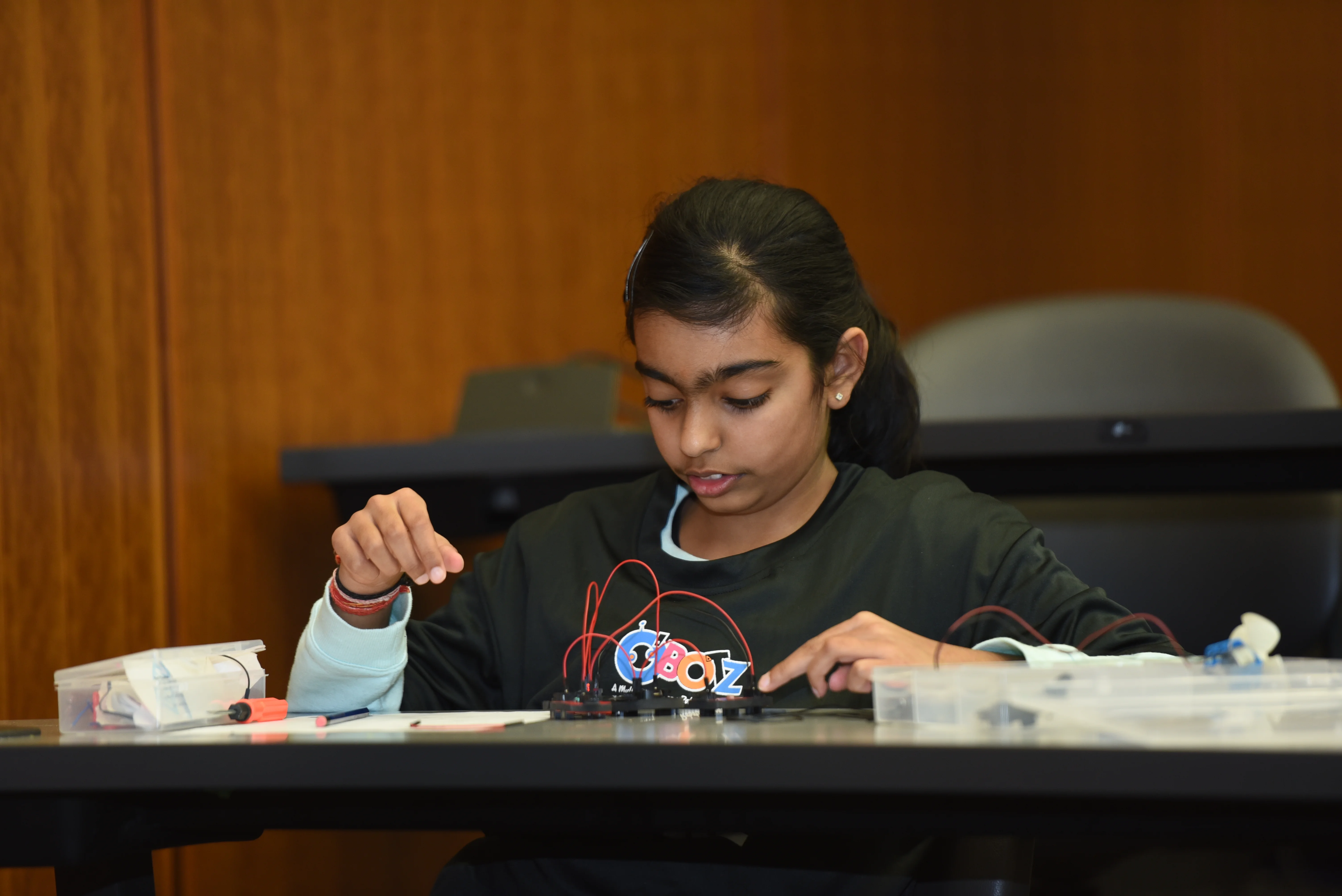
For decades, Earth Day activities meant posters, speeches, and clean-up drives. Those still matter—but today’s children are going a step further.
They’re asking bigger questions:
This shift toward coding for environment children is creating a generation that doesn’t just understand problems—they solve them.
Across schools and learning centers, there’s a growing focus on sustainability STEM projects kids can actually build and test.
Instead of passive learning, children are now:
This hands-on approach is exactly why green tech robotics children Canada is becoming a major trend in education.
Learn how kids turn ideas into innovation. This guide explores STEM innovation for kids in Canada.
Kids are building simple machines that:
These robotics environmental solutions kids create are surprisingly effective in understanding waste management systems.
Some students are designing:
This is where coding projects for Earth Day become practical, teaching kids how small innovations can save large amounts of water.
Using beginner-friendly electronics, kids can:
This is a powerful example of robotics solving climate change challenges at a local level.
One of the most exciting trends is eco robots kids are building using:
See how children build robots from recycled materials in this guide on recycled robotics projects for kids. This not only promotes sustainability but also reinforces creativity and problem-solving.
Parents often ask: what can kids actually build?
Here are some engaging Earth Day STEM activities for kids Canada April 2026:
This guide talks about easy robotics projects for kids at home. These projects introduce children to environmental coding April 22 in a way that feels exciting, not academic.
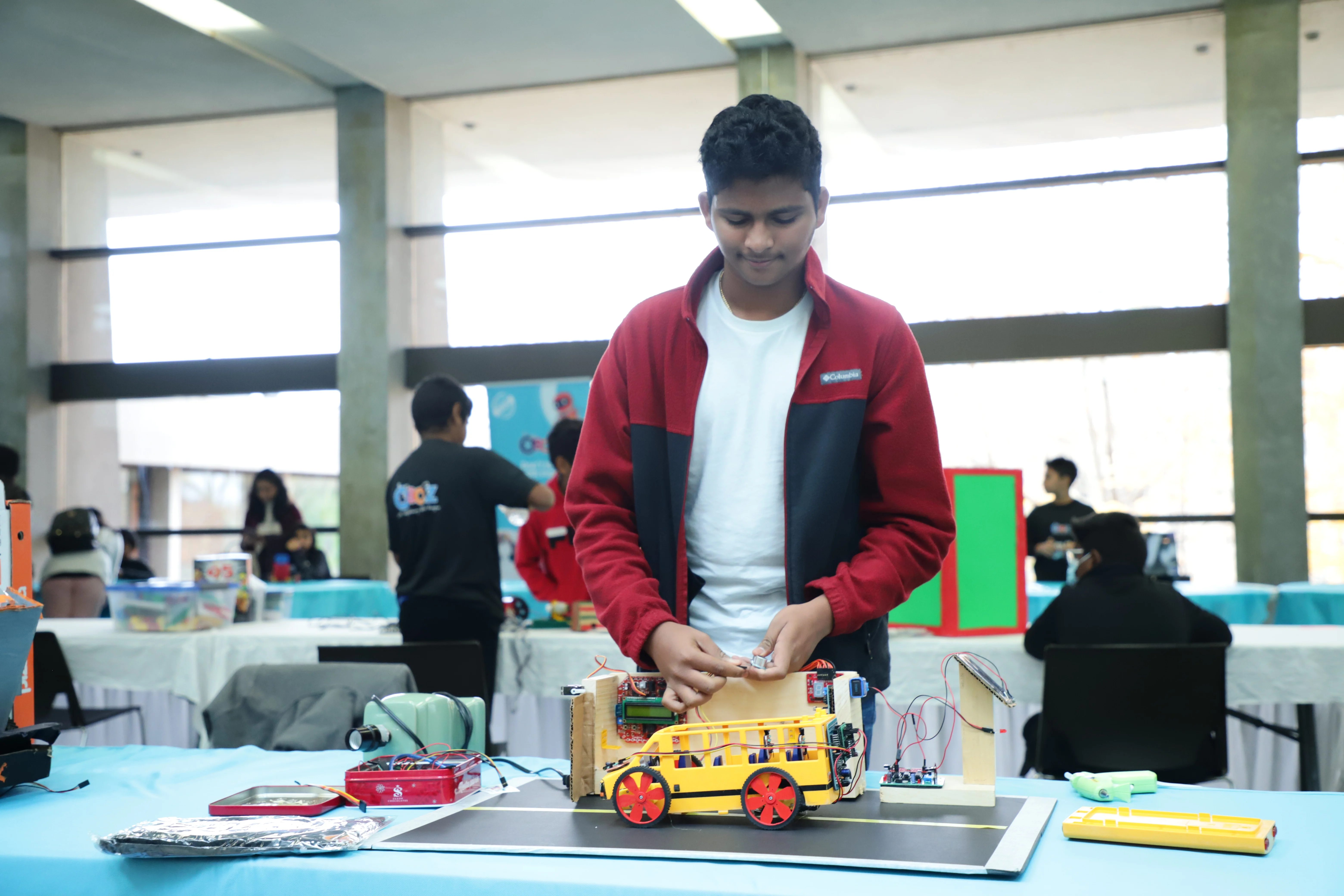
These activities are not one-day experiments.
They build long-term skills:
More importantly, they show how kids use technology to help the environment in Canada—not in theory, but in practice.
Discover real-world applications and how kids are solving real world problems with technology)
Robotics gives children something textbooks cannot—feedback.
When a robot fails, kids fix it.
When a system doesn’t work, they improve it.
This iterative process is at the heart of robotics environmental problem solving kids Canada.
Instead of memorizing environmental issues, kids:
That’s a completely different level of learning.
Most parents still associate coding with future careers.
But in 2026, coding is no longer just about jobs—it’s about impact.
Programs like OBotz are helping children:
This combination is exactly what makes Earth Day STEM projects kids Canada so powerful.
At OBotz, learning is not limited to screens.
Students:
This approach connects directly to robotics solving climate change themes, making education meaningful and future-ready.
Whether it’s building a recycling system or coding an environmental alert device, children are constantly engaged in coding for environment children activities.
Think about this:
A child who learns to solve environmental problems at age 10
becomes an adult who creates scalable solutions at 25.
This is how green tech robotics children Canada contributes to long-term sustainability.
Earth Day 2026 isn’t just a celebration—it’s a shift in how we prepare the next generation.
Earth Day used to be about awareness. Today, it’s about action.
Canadian kids are proving that age is no barrier when it comes to solving real problems. Through coding and robotics, they are building solutions that are practical, creative, and impactful.
With platforms like OBotz, children are not just learning technology—they are learning how to use it responsibly.
If your child is curious about technology and cares about the environment, this is the perfect time to start.
Book a hands-on robotics experience today
Because the future won’t be built by those who just understand problems, but by those who solve them.
Canadian kids are building projects like smart recycling bins, water-saving systems, and air quality monitors using coding and robotics. These hands-on solutions help them understand environmental challenges while actively working toward solving them.
Some of the best projects include automated plant watering systems, solar-powered devices, and recycling robots. These projects are simple enough for beginners yet impactful enough to teach real-world environmental concepts.
A child can start with basic robotics kits and simple coding platforms to design a prototype, such as a smart dustbin or moisture sensor. With guidance from structured programs, they can gradually build more complex, functional solutions.
Yes, many schools and STEM organizations host coding challenges and robotics competitions around Earth Day. These events encourage kids to create innovative solutions for environmental issues while learning collaboratively.
OBotz offers projects like eco-friendly robots, smart systems for waste management, and sustainability-focused coding challenges. These projects align directly with Earth Day themes and promote real-world problem-solving.
Teaching coding equips children with the skills to design and implement scalable solutions for environmental problems. Over time, this builds a generation capable of creating sustainable technologies and driving meaningful change.