Why Curiosity Declines With Age And 7 Proven Ways Parents Can Keep It Alive

If you’ve ever wondered why your child once asked endless questions but now seems quieter, less curious, or more hesitant to explore new ideas—you’re not alone. Curiosity in children doesn’t suddenly vanish. It slowly fades when learning starts feeling like pressure instead of discovery.
At OBotz, curiosity isn’t treated as a phase—it’s treated as a skill that can be nurtured, protected, and strengthened through the right kind of STEM learning. And science agrees: curiosity psychology shows that curiosity is shaped far more by environment than age.
Let’s explore why curiosity declines, what neuroscience tells us, and—most importantly—how parents can actively keep kids curious as they grow.
Curiosity doesn’t disappear overnight. It fades gradually as a child’s world shifts from exploration to evaluation.
In early childhood, learning is driven by discovery—touching, asking, trying. As kids grow, they move into systems that emphasize correct answers, grades, and comparisons. Over time, curiosity in children gets replaced by the need to “get it right,” not to explore.
Also, as children become more self-aware, asking questions can feel risky. What if the question sounds silly? What if they’re wrong? Curiosity psychology shows that fear of judgment suppresses inquiry faster than lack of interest ever could.
When learning becomes outcome-focused too early, children stop wondering and start complying—quietly putting curiosity aside.

Curiosity isn’t just emotional—it’s biological.
When kids are curious, their brains release dopamine—the same chemical linked to motivation and memory. This means curious learners don’t just enjoy learning; they retain it better. Curiosity psychology confirms that interest strengthens neural connections.
High stress, on the other hand, increases cortisol, which narrows thinking. Instead of exploring possibilities, the brain focuses on survival and avoidance. That’s why pressure-heavy learning environments reduce curiosity in children over time.
Children ask the most questions when they feel safe—emotionally and intellectually. When mistakes are punished or rushed, the brain learns to stay quiet instead of being curious.
Most parents don’t suppress curiosity intentionally, but it happens subtly. Here are some ways in which parents may inadvertently suppress their child’s curiosity.
Answering every question immediately can unintentionally stop thinking. When kids aren’t given time to wonder or test ideas, curiosity fades.
Phrases like “not now” or “focus on your homework” send small signals that questions are interruptions, not invitations to learn.
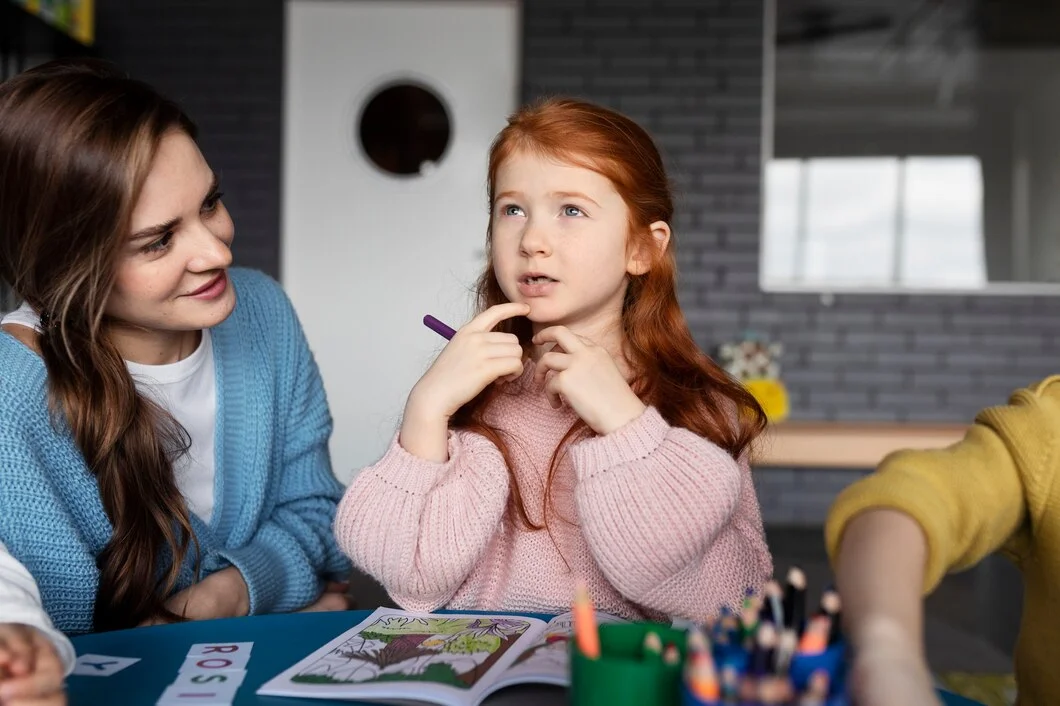
When praise is tied only to accuracy, kids stop experimenting. Curiosity in children thrives when questions—not just answers—are valued.
Packed schedules leave little room for reflection. Without mental space, curiosity has nowhere to grow.
Curiosity grows when kids feel safe to wonder, test, and explore. Here are some proven ways that can help:
Instead of explaining right away, ask: “What do you think?” or “How could we find out?” This keeps curiosity active and empowers thinking.
Admitting uncertainty shows children that learning begins with not knowing—an essential principle of curiosity psychology.
Let kids build, break, and rebuild. Curiosity grows through experimentation, not flawless outcomes.
Boredom isn’t bad—it’s often where the best questions form. Downtime fuels curiosity in children more than constant stimulation.
Praise how your child thinks, not just what they get right. This reinforces exploration over performance.
When children explain concepts, they deepen understanding and confidence. Teaching activates curiosity on a whole new level.
Real-world challenges naturally trigger why and how. This is one of the most effective ways to keep kids curious as they grow.

The right kind of STEM doesn’t teach answers—it teaches how to think.
Coding, robotics, and engineering invite hypothesis, testing, and iteration. This naturally aligns with curiosity psychology and how the brain learns best.
In STEM learning, mistakes aren’t punished—they’re useful. This reframes failure as part of discovery, keeping curiosity alive.
Building, testing, and modifying ideas engages the brain far more deeply than passive learning ever could. Read this guide to understand how STEM learning can help your child and nurture their curiosity.
When learning feels like exploration, curiosity thrives naturally. Hands-on STEM allows kids to see ideas come alive, strengthening understanding and engagement.
Instead of consuming information, children become creators. STEM programs encourage their curiosity so they become confident thinkers, not just high scorers. Programs designed around exploration help sustain this mindset well into adolescence. There are many other proven tips to instil curiosity in teenagers, as mentioned in this guide.
For parents exploring deeper learning pathways, understanding all these ways can be a powerful starting point.
Curiosity doesn’t fade because children lose interest—it fades when environments stop inviting questions. But with mindful parenting and curiosity-first learning experiences, it’s absolutely possible to keep kids curious, confident, and excited about learning.
If you want your child to explore, build, question, and think deeply—not just memorize—OBotz offers hands-on STEM programs designed to turn curiosity into lifelong learning skills.
Discover how OBotz helps children stay curious, creative, and confident. Book a free OBotz trial class and take the first step toward curiosity-driven learning today.
Curiosity in children often declines when learning environments shift from exploration to evaluation, where correct answers and performance matter more than questioning and experimentation.
Curiosity is innate, but curiosity psychology shows it’s heavily shaped by environment—supportive, low-pressure settings help curiosity grow, while fear-based learning suppresses it.
Encouraging curiosity actually strengthens learning by improving focus, memory, and problem-solving, making academics more meaningful rather than distracting.
Hands-on STEM learning fuels curiosity by encouraging experimentation, questioning, and real-world problem-solving instead of passive memorization.
To keep kids curious, parents should normalize mistakes, encourage open-ended questions, and provide learning experiences that value thinking over perfect answers.
Yes—curiosity can be reignited through low-pressure, exploration-based activities like coding, robotics, and hands-on STEM projects that restore the joy of discovery.