How to Keep Kids Excited About Learning STEM

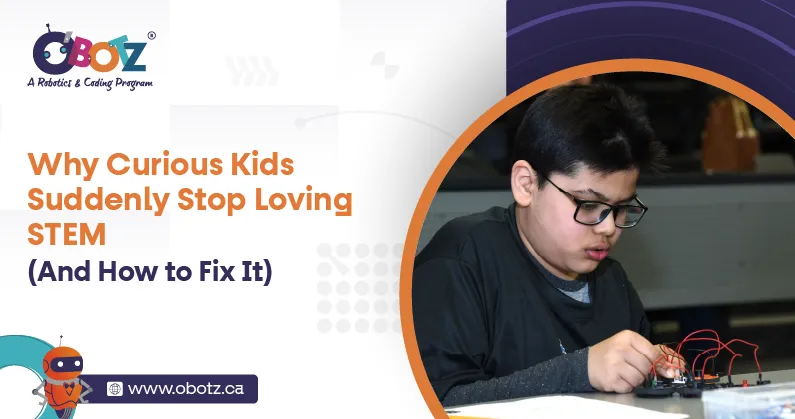
Keeping kids excited about learning STEM can feel like a challenge—especially when curiosity slowly turns into reluctance. One day, your child is asking endless “why” questions, and the next, they’re avoiding anything that looks remotely academic.
The truth is, STEM learning thrives on curiosity, play, and motivation—not pressure. When children are encouraged to explore, build, and experiment, learning stops feeling like a task and starts feeling like discovery. This is why hands-on, curiosity-led environments like those created at OBotz focus on how children learn, not just what they learn.
In this blog, we will break down how motivation for kids in STEM works, why their interest fades, and what parents can do to keep STEM learning exciting and meaningful.
Before trying to “fix” disengagement, it’s important to understand what truly drives a child’s interest. Learning motivation isn’t just about rewards—it’s deeply tied to curiosity, confidence, and emotional safety.
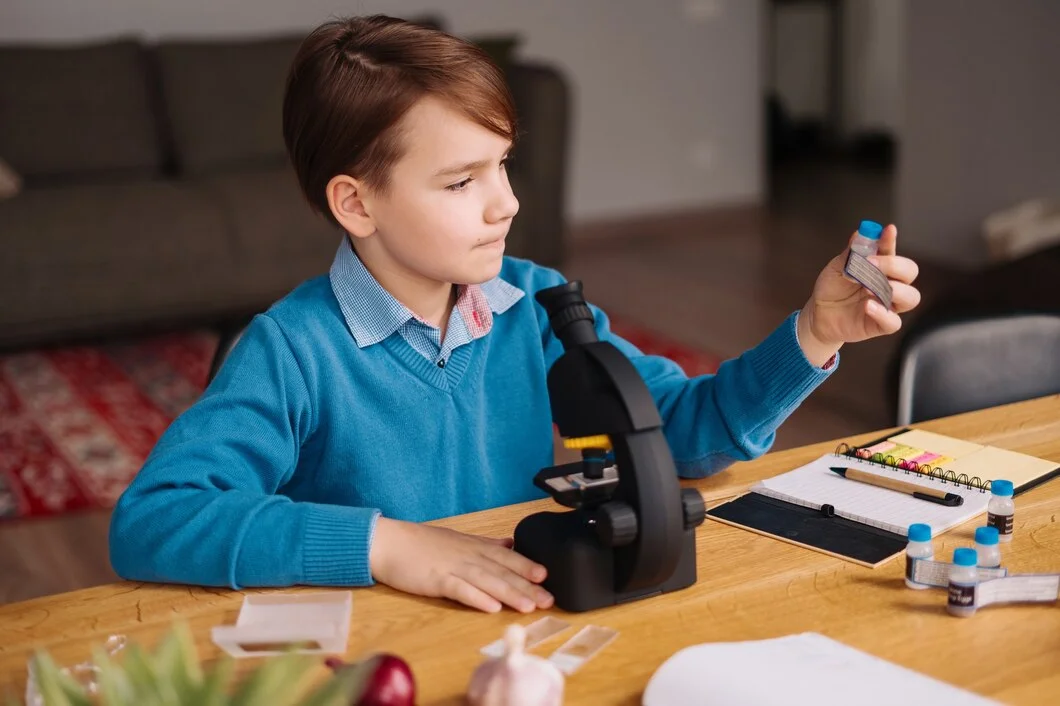
Intrinsic motivation comes from within. It’s when kids learn because they want to, not because they’re told to. This type of motivation for kids' STEM learning often appears when children are free to explore—building models, testing ideas, and figuring things out on their own.
When learning feels self-driven and playful, children stay engaged longer and develop a natural love for problem-solving.
Extrinsic motivation includes praise, grades, or small rewards. While it can help spark initial interest, especially for hesitant learners, it shouldn’t be the only driver. Over time, over-reliance on rewards can weaken curiosity.
True learning motivation grows when children feel proud of their effort and improvement, not just the final result.
Kids are more motivated when they understand why something matters. STEM feels exciting when it connects to real-life experiences—technology they use, problems they want to solve, or creations they want to build.
When learning feels relevant, kids' motivation psychology shifts from resistance to curiosity.

Most children don’t lose interest because STEM is difficult. They disengage because learning starts to feel rigid, overwhelming, or disconnected from their world.
When learning becomes all about correct answers, kids stop experimenting. STEM thrives on trial and error, but pressure to perform can make children afraid of making mistakes.
Exploration builds confidence; excessive focus on outcomes slowly drains curiosity.
STEM concepts taught without hands-on experiences often feel dull. Worksheets and memorization don’t allow kids to see how ideas work in real life.
This disconnect reduces learning motivation and makes STEM feel irrelevant instead of exciting.
Comparisons with peers can quickly erode confidence. Many children begin to believe they’re “not good at math or science,” which affects their willingness to try.
Supportive environments that value effort over speed help rebuild confidence and sustain motivation for kids' STEM learning.
STEM becomes engaging when children realise it already exists in the world they love. Learning feels exciting when it blends naturally into everyday experiences.
Robotics and coding turn learning into creative play. Kids get to build, test, and see instant results—making learning feel empowering rather than instructional. Such activities get kids naturally interested in STEM by creating long-lasting enthusiasm.
In fact, allowing children to explore STEM concepts naturally—without pressure—is one of the most effective ways to sustain interest, as explained in this guide on how to get kids interested in STEM naturally.
STEM concepts are everywhere—from household gadgets to video games and traffic lights. When parents point these connections out, children begin to see learning as part of daily life.
This reinforces learning motivation without adding academic pressure.
Projects give children ownership over their learning. Building something, fixing mistakes, and improving designs builds patience, pride, and resilience.
Project-based learning keeps curiosity alive because kids are invested in the process, not just the result.
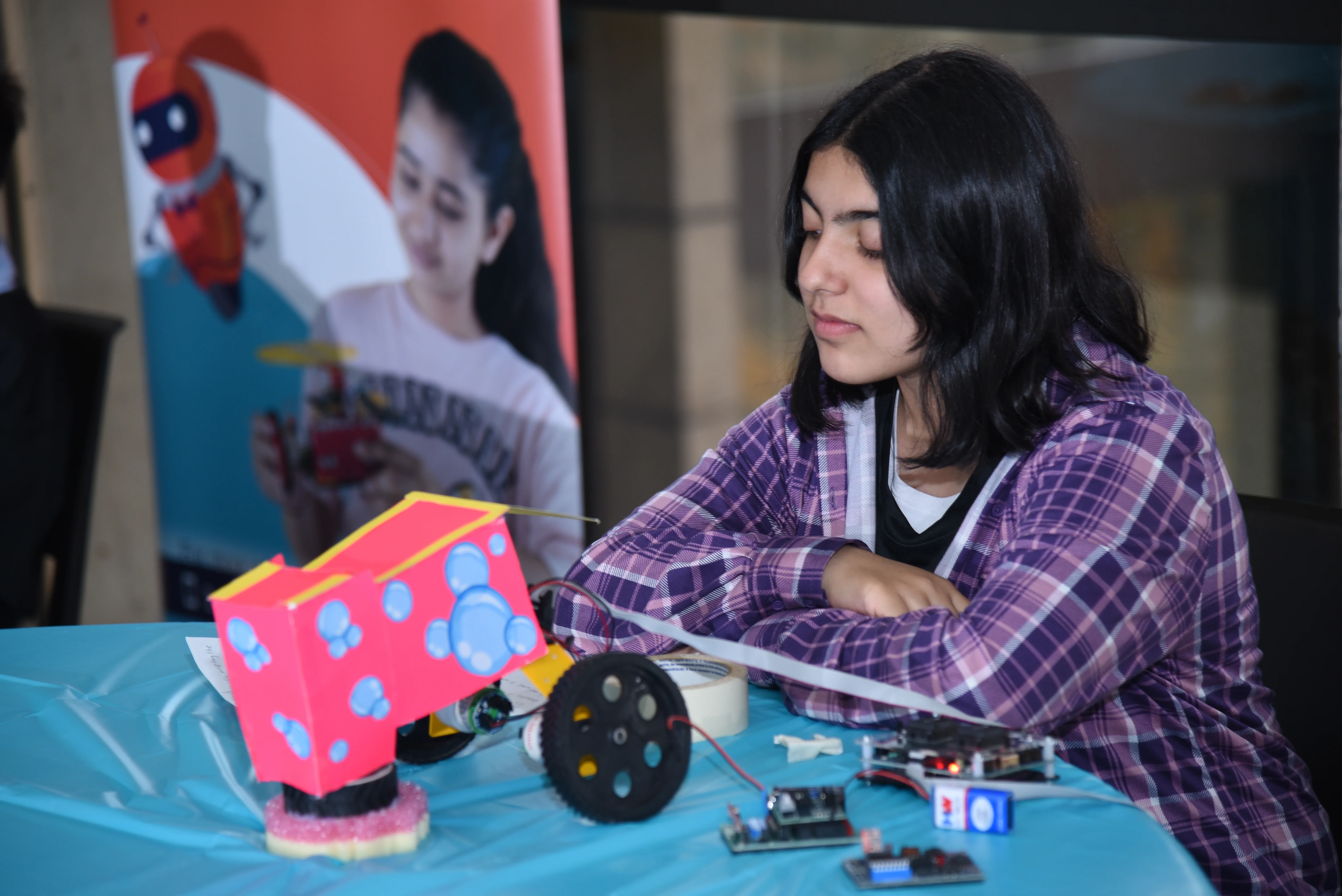
Parents don’t need technical expertise to support STEM learning. What children need most is encouragement, freedom to explore, and a safe space to try.
Praising effort helps children develop resilience. Instead of focusing on speed or scores, acknowledge persistence and problem-solving.
This strengthens learning motivation and encourages kids to keep trying even when concepts feel challenging.
Children should feel comfortable asking questions and making mistakes. STEM learning flourishes when curiosity is welcomed, and failure is treated as part of growth. When emotional safety is present, motivation follows naturally.
Giving children choices—what to build, explore, or experiment with—boosts engagement. Autonomy builds ownership and confidence.
This approach aligns strongly with kids' motivation psychology, making learning feel empowering.
While digital tools can support learning, hands-on experiences help children understand concepts more deeply. Building, experimenting, and playing activate curiosity in ways passive screen time cannot. Research consistently shows that play supports emotional, cognitive, and social growth, making it a powerful driver of learning motivation.
This balance is essential for STEM engagement and overall development, which is why the role of play in keeping a child’s development well-rounded should never be underestimated.
Motivation can be nurtured intentionally. Certain learning frameworks consistently help children stay curious and confident in STEM.
A growth mindset teaches children that skills improve with effort. Instead of saying “I can’t,” kids learn to say “I can’t yet.”
This mindset is essential for long-term learning motivation, especially in STEM subjects.
Small, achievable challenges keep kids engaged without overwhelming them. Gradual difficulty builds confidence while maintaining curiosity.
Well-designed challenges keep kids focused, motivated, and excited.
Learning by doing encourages exploration and independence. When children ask questions and test ideas, they become active learners.
This approach aligns perfectly with kids' motivation psychology and sustains interest over time.
Keeping kids excited about STEM isn’t about pushing harder—it’s about creating the right environment. When children feel supported, curious, and confident, motivation grows naturally.
By focusing on effort, relevance, and hands-on exploration, parents can transform STEM learning into an enjoyable journey. OBotz creates experiences where kids don’t just learn STEM—they experience it, building confidence and curiosity that extend far beyond the classroom.
Give your child an environment where curiosity leads, and confidence follows.
Book an interactive STEM experience with OBotz today. Because when learning feels exciting, kids don’t just keep up—they move ahead.
Kids often lose interest when STEM learning feels pressured, abstract, or focused only on results rather than exploration. A lack of hands-on activities and fear of making mistakes can also reduce learning motivation.
Motivation grows when kids feel curious, confident, and in control of their learning. Approaches rooted in kids motivation psychology focus on exploration, relevance, and effort—not constant rewards or comparisons.
Parents can encourage learning motivation by praising effort, allowing mistakes, and connecting STEM concepts to everyday life. Giving children choices and autonomy also helps sustain long-term interest.
Yes—play is a powerful driver of learning motivation because it allows kids to experiment without fear of failure. Play-based STEM experiences help children understand concepts more deeply and stay excited about learning.
Hands-on activities turn abstract ideas into tangible experiences, making learning feel fun rather than intimidating. This approach aligns with kids' motivation psychology and often re-engages children who feel discouraged by traditional methods.
Programs like OBotz combine guided learning with creativity, allowing kids to build, explore, and problem-solve at their own pace. This balance supports motivation for kids' STEM learning while building confidence and real-world skills.