Robotics for Girls: Breaking the Gender Gap in Canada's STEM Classrooms

For decades, technology and engineering spaces were quietly shaped around the idea that boys naturally belonged there more than girls. But across Canada, that assumption is finally starting to break.
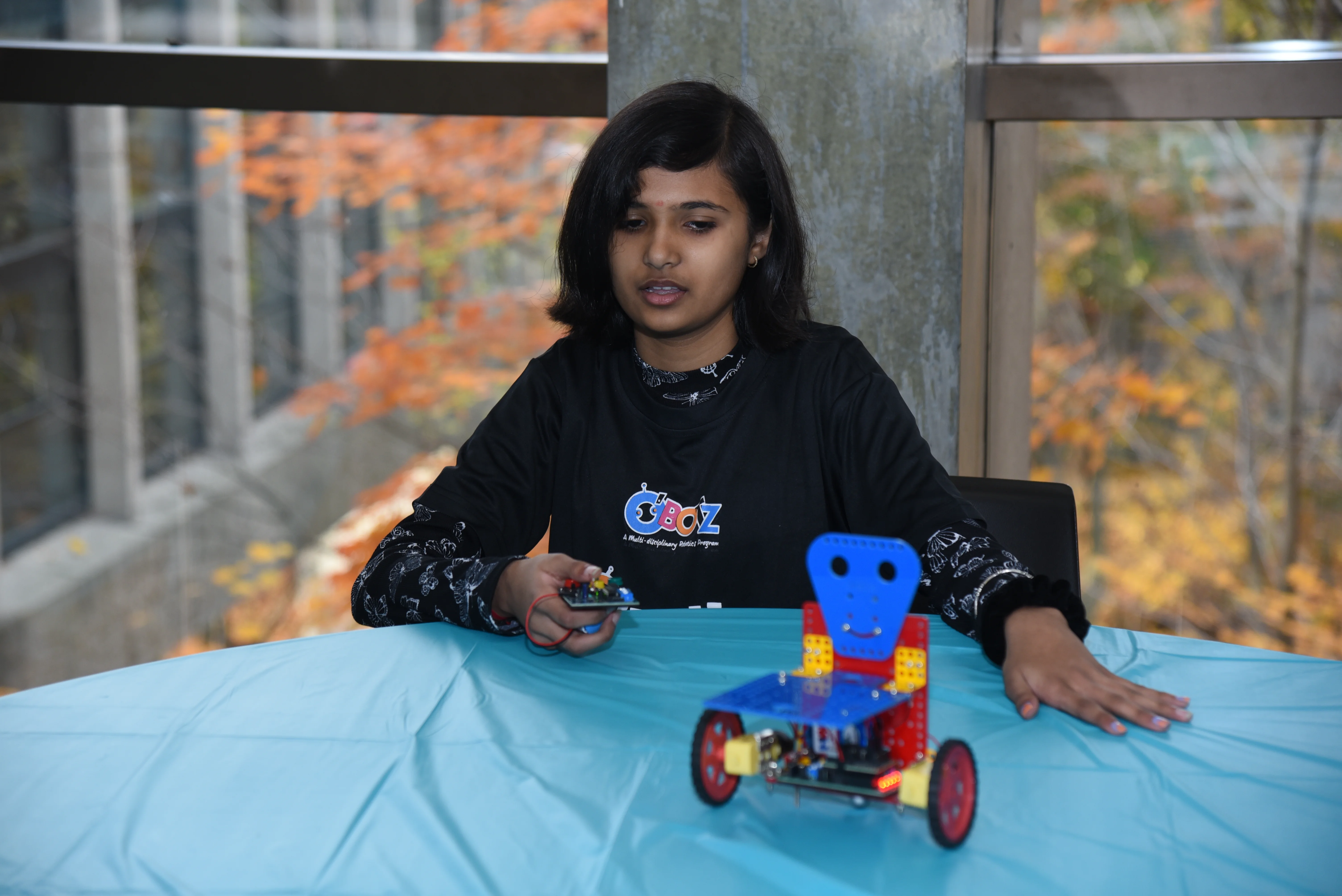
Programs like OBotz are helping create a new generation of confident female innovators through hands-on robotics and coding education. As conversations around girls in STEM Canada continue to grow, robotics classrooms are becoming one of the most powerful places where change is actually happening.
The reality is simple: girls are not less capable in STEM. They are often less encouraged, less represented, and introduced to technology later than boys. Robotics changes that because it transforms STEM from something intimidating into something creative, collaborative, and exciting.
And that shift matters more than ever in Canada’s future workforce.
When people discuss the gender gap STEM Canada faces today, they often focus on universities or corporate hiring. But the gap usually begins much earlier, sometimes as early as elementary school.
Young girls are often unintentionally pushed toward “safe” or “creative” subjects while boys are encouraged to experiment, build, compete, and solve technical problems. Over time, this affects confidence.
Many girls begin believing technology is “not for them” long before they ever try coding or robotics.
That’s why exposure matters.
When children participate in hands-on robotics environments early, they stop seeing STEM as difficult or exclusive. Instead, they see it as interactive and achievable. Programs focused on inclusive STEM Canada education are helping girls realize that technology is not reserved for a specific gender.
Interestingly, many parents searching for how to encourage girls to learn coding in Canada are discovering that robotics often works better than traditional classroom teaching because it feels playful instead of academic.
Traditional STEM education can sometimes feel overly theoretical. Robotics changes the experience completely.
Children build, test, fail, improve, and solve problems in real time. That process naturally develops confidence.
This is especially important for female robotics students, because confidence, not capability, is often the real barrier in STEM participation.
In robotics classrooms, girls are not simply memorizing formulas. They are:
This active learning environment helps improve girls' tech confidence in a way textbooks alone rarely can.
At the same time, robotics encourages communication, creativity, and leadership, qualities that are equally important in future STEM careers.
Parents exploring why robotics and coding are not just for geniuses often realize that robotics success is not about being “naturally gifted.” It is about curiosity, consistency, and exposure.
Your browser does not support the video tag.
One of the biggest misconceptions in STEM education is that girls struggle more with technical concepts.
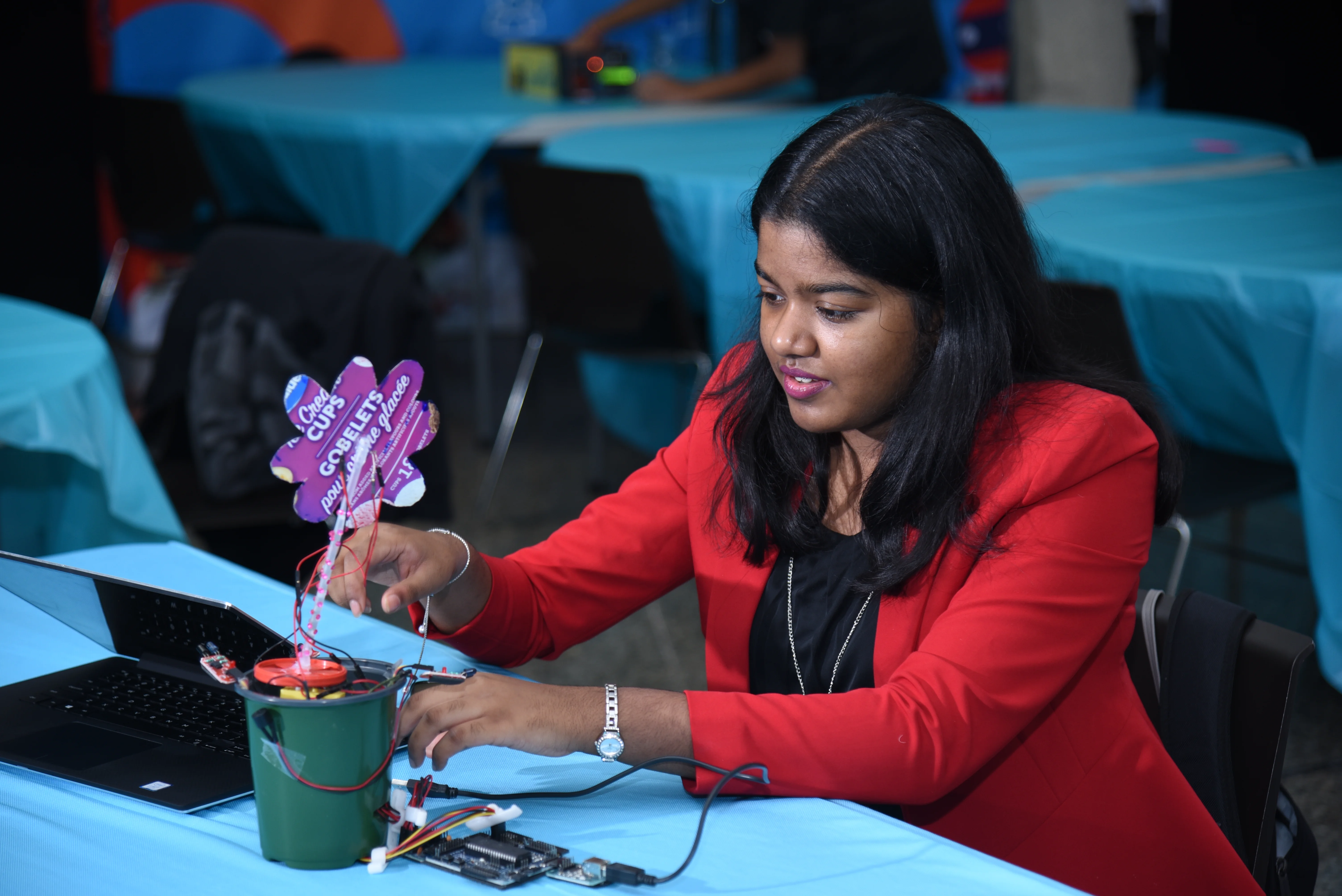
Research consistently shows that girls perform similarly to boys in math and science during early education. The difference often appears in self-confidence and participation.
Girls are more likely to hesitate before answering technical questions. They may avoid experimentation because they fear making mistakes. Boys, meanwhile, are often socially encouraged to explore and fail publicly.
Robotics helps normalize experimentation.
When girls build robots, test code, and troubleshoot problems repeatedly, failure becomes part of learning rather than something embarrassing. This mindset shift is incredibly powerful for long-term STEM participation.
That is why encouraging girls coding and robotics participation during childhood can directly impact future career choices in engineering, software, AI, and innovation.
Canada’s future women engineering pipeline depends heavily on what happens inside today’s classrooms and after-school STEM programs.
Children often decide what feels “possible” based on what they see around them.
If girls rarely see female engineers, programmers, or robotics mentors, STEM careers can subconsciously feel distant or unrealistic.
That is why representation matters.
Across women in tech Canada initiatives, schools and robotics programs are increasingly introducing girls to female mentors, instructors, and role models. Seeing women lead technical projects changes how young girls perceive their own potential.
Even simple exposure can have a lasting effect.
A young girl who sees another girl confidently presenting a robotics project begins to imagine herself doing the same. Over time, this creates stronger participation and leadership.
Many girls coding classes in Canada are now intentionally designed to create supportive and collaborative environments where girls feel comfortable experimenting, asking questions, and leading projects.
One reason robotics programs are becoming so impactful is that they develop far more than coding ability alone.
Children also strengthen:
Parents reading 5 life skills kids learn through robotics often realize that robotics education influences a child’s overall personality development, not just academic performance.
For girls specifically, these experiences can reshape how they approach challenges in school and life.
A child who confidently presents a robotics project at age 10 may later feel more comfortable participating in science competitions, applying for engineering programs, or speaking up in leadership settings.
That confidence compounds over time.
Canada’s technology sector continues to grow rapidly. Industries related to AI, robotics, software engineering, automation, clean technology, and digital infrastructure are expanding every year.
But the country still faces a major diversity challenge.
Despite progress, women remain underrepresented across many technical fields. The solution does not begin only at the hiring stage. It begins by making STEM approachable and engaging much earlier.
This is why female students in robotics Canada programs matter so much.
The goal is not simply to increase participation numbers. The goal is to create an educational culture where girls see innovation as something they belong in naturally.
The long-term impact could reshape the future of women in tech Canada entirely.
Many girls do not initially enter robotics because they dream of becoming engineers.
They join because something sparks curiosity.
Maybe they want to build a moving robot. Maybe they enjoy solving puzzles. Maybe they simply enjoy creating things with friends.
Curiosity is often the real gateway into STEM.
Parents exploring proven ways to instill curiosity in teenagers frequently discover that children learn best when education feels exploratory rather than pressured.
This matters because girls sometimes disengage from STEM when environments become overly competitive or rigid.
Robotics offers something different: experimentation without fear.
That freedom encourages long-term engagement.
Across cities like Toronto, Vancouver, Calgary, and beyond, robotics education is becoming increasingly inclusive.
Programs are focusing on:
Parents searching terms like girls robotics program Toronto Vancouver Calgary are often looking for programs where girls feel supported rather than intimidated.
That environment can dramatically influence participation rates.
At OBotz, robotics learning focuses on making STEM approachable, engaging, and confidence-driven for all students. The emphasis is not only on technical learning but also on helping children feel comfortable exploring innovation at their own pace.
Parents can also explore how to get kids interested in STEM naturally to better understand how small shifts in learning environments can create lasting interest in technology.
The next generation of innovators, engineers, coders, designers, and entrepreneurs should reflect the diversity of the real world.
That future becomes possible when girls are encouraged early, supported consistently, and given opportunities to build confidence through experience.
Robotics is no longer just an extracurricular activity. It is becoming one of the strongest tools for reshaping how girls engage with STEM education across Canada.
And perhaps most importantly, it helps girls stop asking, “Am I good enough for tech?”
Instead, they begin asking, “What can I build next?”
If you want your child to develop confidence, creativity, problem-solving skills, and real-world STEM exposure, robotics can be an incredible starting point.
Explore hands-on robotics and coding programs at OBotz and book an experience session today to learn more!
Many girls are exposed to STEM later than boys and may not see enough female representation in technology spaces early on. Social expectations and confidence gaps also influence participation, even when girls have equal ability in STEM subjects.
Parents can start by making STEM feel creative and exploratory instead of overly academic. Robotics kits, collaborative coding activities, and supportive programs help girls build confidence naturally without fear of failure.
Research shows that girls often perform similarly to boys academically in STEM subjects but report lower confidence levels over time. Early exposure, mentorship, and inclusive learning environments can significantly improve participation and self-belief.
OBotz focuses on collaborative, hands-on learning where students can experiment freely and build confidence gradually. The learning environment encourages creativity, curiosity, teamwork, and leadership for all students.
The best programs are usually those that prioritize supportive learning environments, mentorship, creativity, and confidence-building over competition alone. Many Canadian robotics programs now actively focus on increasing girls’ participation in STEM fields.
Representation helps girls visualize themselves succeeding in STEM careers. When young students see female mentors, instructors, or innovators leading robotics projects, technology feels more accessible, achievable, and relatable.