The Ideal Age to Start Coding: A Psychology & Skill-Based Breakdown

Parents today are surrounded by mixed messages. Some say coding should start as early as preschool. Others argue it’s better to wait until children are older. In reality, the best age to learn coding for kids isn’t about a number—it’s about readiness. Coding works best when it aligns with how a child’s brain develops, how they think, and what skills they’re capable of building at each stage. That’s exactly why modern, child-centric learning platforms like OBotz focus on age-appropriate progression rather than rushing children into code.
In this blog, we’ll break down coding by age, connecting child psychology, skill development, learning activities, and curriculum fit—so you can confidently decide when and how your child should start.
When parents ask about coding, they often assume it’s about screens, syntax, or programming languages. But the truth is, coding is fundamentally a thinking skill, and thinking develops in stages.
Early exposure to complex coding concepts without cognitive readiness can overwhelm children. What matters more than early exposure is introducing logical thinking in a way that matches how the brain processes information at that age.
Skills like sequencing, focus, working memory, and reasoning develop gradually over time. A child who isn’t developmentally ready may memorize steps without understanding logic, which weakens long-term learning.
Programs that ignore age differences often cause frustration or boredom. Effective coding education adapts content based on coding readiness, not just calendar age.
Children between four and six aren’t ready to write code—but they are perfectly ready to think like coders.
At this stage, children learn best through play, visuals, and movement. Their attention spans are short, and curiosity drives learning more than instruction.
This is the ideal time to build pattern recognition, sequencing, visual memory, and cause-and-effect thinking. These skills form the invisible foundation behind all future coding abilities.
Hands-on puzzles, logic games, storytelling activities, and screen-free robotics play help children understand order and outcomes. These activities encourage thinking without pressure.
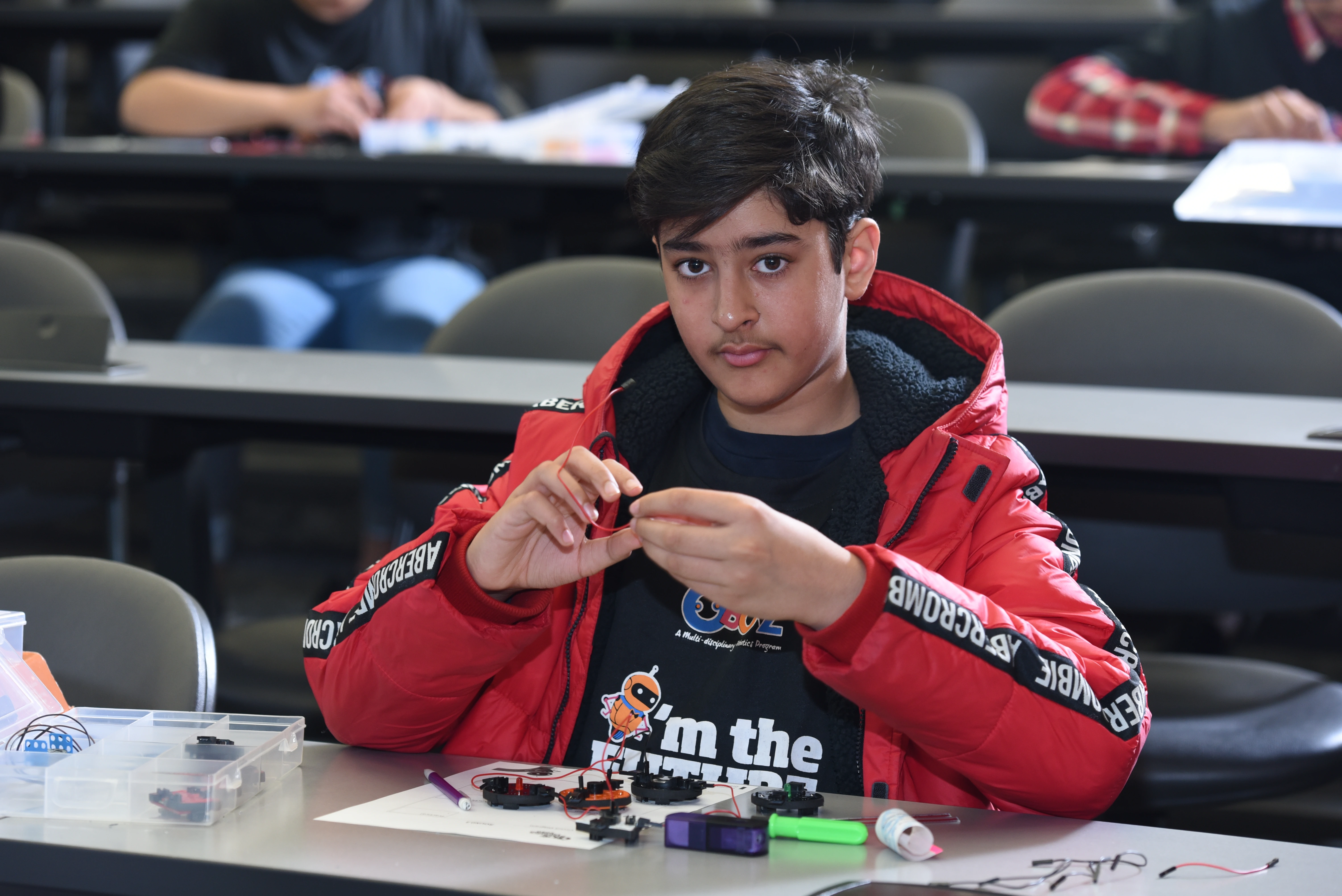
The right curriculum avoids syntax completely and focuses on logic, creativity, and structured play. When coding is introduced later, these children adapt faster because their thinking skills are already strong.
This is where coding begins to feel natural. Children start understanding rules, steps, and consequences—key building blocks of programming logic.
Children develop better focus and enjoy completing challenges. They’re motivated by visible results and start solving problems independently.
Logical sequencing, conditional thinking, and basic debugging emerge strongly here. Children begin recognizing mistakes and learning how to fix them.
Block-based coding platforms, beginner robotics kits, and logic-driven games work best. These tools help children understand how instructions turn into actions.
Visual programming with short, goal-based projects keeps engagement high. This stage represents an ideal coding by age balance—structured but still playful.
Between ages ten and twelve, children are cognitively ready to connect logic with actual programming concepts.
At this stage, children enjoy experimenting and understanding how things work. Their attention span improves, and they begin thinking more systematically.
Algorithmic thinking, loops, conditionals, and structured problem solving become easier to grasp. Debugging shifts from guesswork to reasoning.
Game development, simple app creation, and robotics projects offer immediate feedback. These activities make coding feel purposeful rather than theoretical.
The best programs gradually move from blocks to beginner syntax without rushing. This is where coding readiness becomes more visible, as children start applying logic independently.
For teens, coding evolves from an activity into a practical skill with real-world relevance.
Teens can think abstractly and prefer learning that feels meaningful. Motivation increases when skills connect to future opportunities.
Computational thinking, data handling, optimization, and analytical reasoning develop strongly. These skills benefit academics beyond technology.
Text-based programming, robotics competitions, and AI-driven projects keep engagement high. Portfolio-based learning builds confidence and direction.
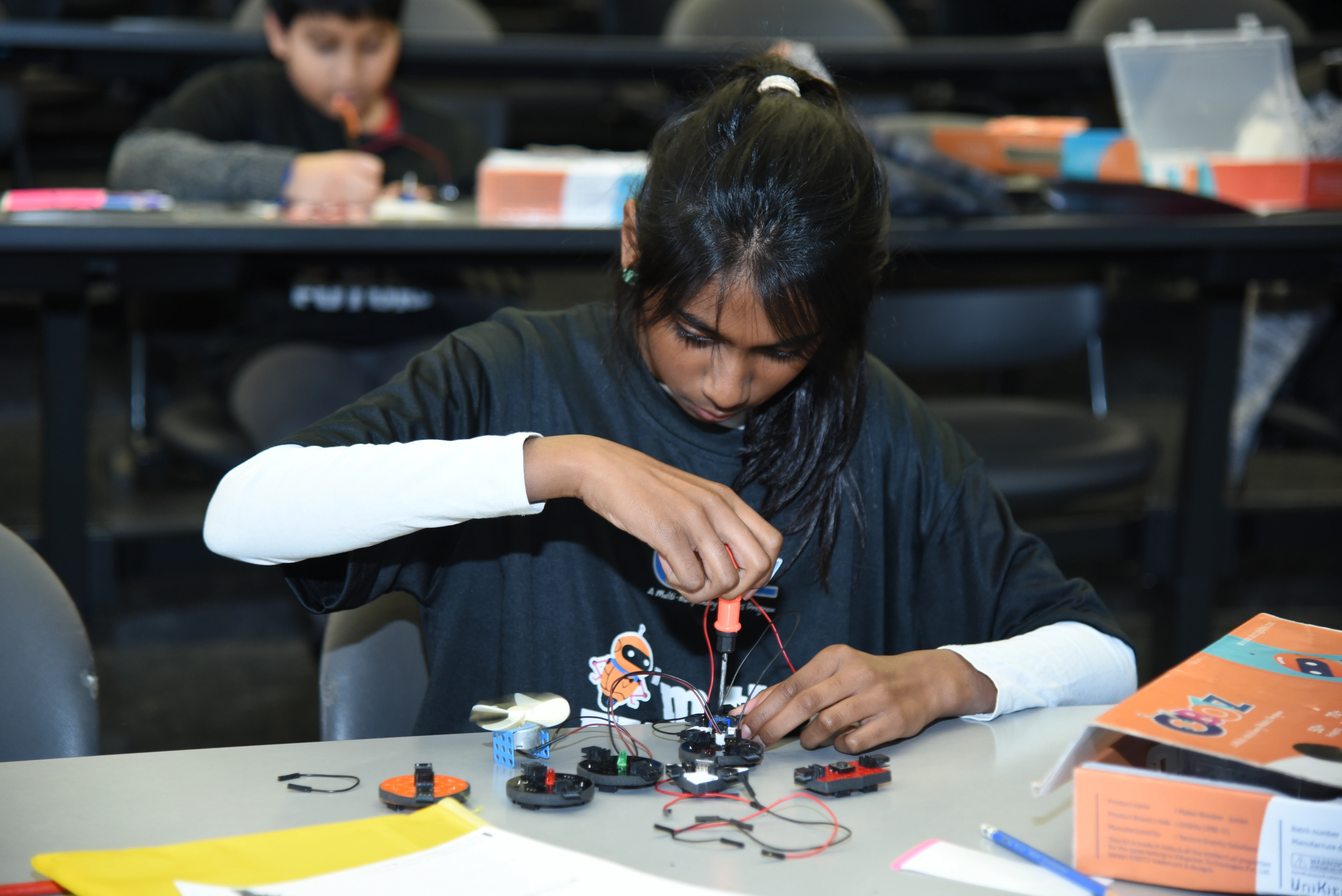
Structured pathways that combine coding, robotics, and problem-solving prepare teens for advanced STEM fields. This stage reinforces why the best age to learn coding for kids depends on depth, not just early starts.
Many parents worry their child has missed the window. In reality, starting later can sometimes be an advantage.
Cognitive maturity allows older learners to grasp concepts quickly. They often progress faster than younger children who started earlier but lacked readiness.
Focused learning beats rushed exposure. When a child is mentally ready, coding becomes intuitive rather than intimidating.
Coding isn’t just about technology—it shapes how children think, analyze, and solve problems.
Coding teaches logic, structure, and clarity of thought. These skills support academics across subjects, not just computers.
Robotics adds physical interaction to abstract concepts. It helps children visualize logic in action, strengthening understanding.
Research on the importance of robotics and coding for kids shows how hands-on learning improves retention and confidence.
Instead of focusing on age alone, parents should observe behavior, interest, and learning style.
Children who enjoy puzzles, follow multi-step instructions, and ask “how” and “why” often show strong coding readiness.
If a child struggles with focus, resists structured activities, or becomes frustrated quickly, foundational skills may need strengthening first.
The right program adapts to a child’s stage instead of forcing them to keep up. Programs that follow age-wise progression help children develop confidence without pressure. A structured yet flexible approach ensures coding grows alongside thinking skills, not ahead of them.
Parents looking for structured learning options for their children can explore the OBotz coding program for kids that aligns with their developmental stages.
There’s no universal age that guarantees success. The best age to learn coding for kids depends on psychological readiness, logical maturity, and skill development—not comparison or trends. When coding is introduced at the right time, children don’t just learn faster—they enjoy the process.
If you want your child to build real logic, confidence, and future-ready skills—without pressure or overwhelm—choose a learning path that respects how children grow.
Explore age-aligned, skill-based coding and robotics programs at OBotz and help your child start coding at the right time, for the right reasons.
Book our free trial class to learn more!
There isn’t one fixed age—coding works best when a child shows logical thinking, curiosity, and the ability to follow steps. For many children, this can begin with pre-coding skills as early as 4–6 years and structured coding around 7–9 years.
If your child enjoys puzzles, problem-solving games, or building things—and can follow multi-step instructions—it’s a strong sign of coding readiness.
Coding can feel difficult only when it’s introduced in an age-inappropriate way. When taught through play, visuals, and hands-on activities, young children grasp coding concepts naturally.
Children should first build foundational skills like sequencing, pattern recognition, logic, and cause-and-effect thinking. These skills make learning real programming much easier later on.
Yes, older children often learn coding faster because of stronger cognitive development and focus. Mental readiness matters far more than starting early.
Robotics helps children see coding in action by connecting logic to real-world movement and outcomes. This hands-on experience strengthens understanding and keeps learning engaging.