Why Kids Struggle With Coding And Science-Backed Ways to Help Them Succeed

Coding is increasingly becoming a core skill—but many parents quietly worry that their child is falling behind. If your child is showing signs of frustration, boredom, or confusion while learning to code, you’re not alone. Kids struggling with coding is more common than you think, and most of these challenges have deeper cognitive roots rather than a lack of talent.
This blog breaks down why kids find coding difficult, the hidden developmental reasons behind these struggles, and the science-backed methods that help them become confident problem solvers.
Let’s dive in.
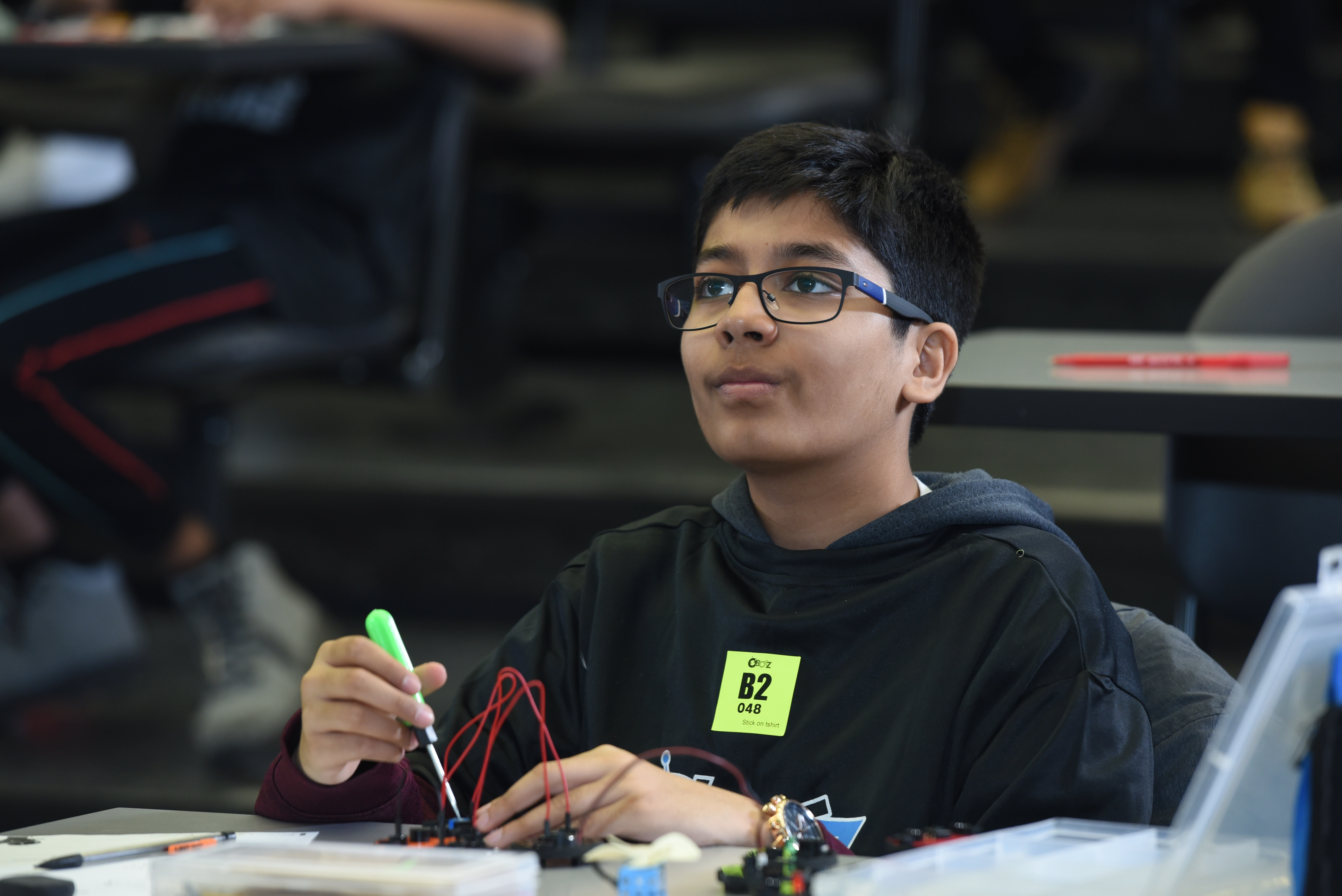
Many parents assume coding is just another academic skill—but for kids, it often feels confusing, frustrating, or “too technical.” Understanding their struggles is the first step to helping them succeed.
Coding involves invisible logic, algorithms, and structures that kids can’t physically see. Children naturally learn better with tangible objects, so abstract commands and sequences feel overwhelming. This gap often contributes to early coding difficulty.
Most kids need engaging, sensory-rich learning environments. When coding lessons become repetitive or text-heavy, focus drops quickly. Without visual or hands-on stimulation, young learners disengage—even when they’re interested in technology.
Coding requires steps to be in the right order, which is harder for developing brains. Kids often skip steps, reverse commands, or miss logic connections, turning simple tasks into major coding challenges for kids. This creates frustration and self-doubt.
Children often think a wrong command will “damage the computer”—a surprisingly common fear. This anxiety prevents experimentation, which is essential for learning to code. Some kids avoid coding entirely because it feels too risky.
Coding skills improve with repetition, but kids rarely practice consistently unless learning is fun. A week-long gap can break their learning momentum and confidence. Without structure, concepts slip quickly.
Kids today already spend a lot of time on screens. When coding lessons feel like more screen time with no exciting output, boredom kicks in. This is why many parents are turning toward robotics-based learning instead of pure coding apps.
Coding is more than typing commands—it’s a cognitive workout. Scientific studies show that certain developmental factors affect how well kids take to coding.
Children’s working memory is still growing, which makes it hard to remember multiple steps while coding. When a child forgets a step midway, they feel like coding difficulty is due to “not being smart enough”—which is untrue.
Many coding concepts—like loops, conditions, and debugging—rely on imagining how code flows. Kids with developing visual–spatial reasoning struggle to predict outcomes. This makes coding feel like guessing instead of problem-solving.
Problem-solving is a skill that strengthens over time. Young children may not yet understand cause and effect in complex tasks, so coding challenges for kids often feel harder than expected.
If kids have never been encouraged to tinker, build, or explore logic puzzles, coding feels foreign. Early STEM exposure builds confidence and curiosity, making future learning easier. Here’s a parent's guide that explains how Coding and Robotics for Kids helps build early foundations.
Kids used to memorization-based academics often struggle with coding because it requires experimentation. Trial-and-error learning feels uncomfortable at first, but it's key to success. Without guidance, many children shut down.
Research in child development shows that kids thrive when learning is hands-on, gamified, and emotionally safe. Here are proven strategies that parents and educators can use.
When code becomes a game, kids forget they’re learning something complex. Gamified tasks keep motivation high and reduce frustration. This turns coding difficulty into a fun challenge.
Kids learn best when they understand “why” something matters. Relating code to everyday scenarios—like controlling a robot or solving a puzzle—makes learning meaningful and memorable.
Children get overwhelmed when coding is introduced in large chunks. Micro-learning—one small skill at a time—keeps progress smooth and confidence high.
Kids must feel safe making mistakes. When failure becomes part of the learning process, they take more risks, debug more confidently, and learn faster.
Teaching kids patterns, sequences, cause-and-effect, and problem breakdown prepares them for coding success. This foundation boosts long-term clarity and reduces coding challenges for kids.
When kids build something they care about, they stay engaged longer. Projects personalize the learning experience and increase consistency.
Celebrating incremental successes motivates kids to keep going. Confidence is often the missing ingredient in coding mastery.
OBotz combines STEM education, cognitive science, and robotics to help kids learn coding the way their brains naturally develop.
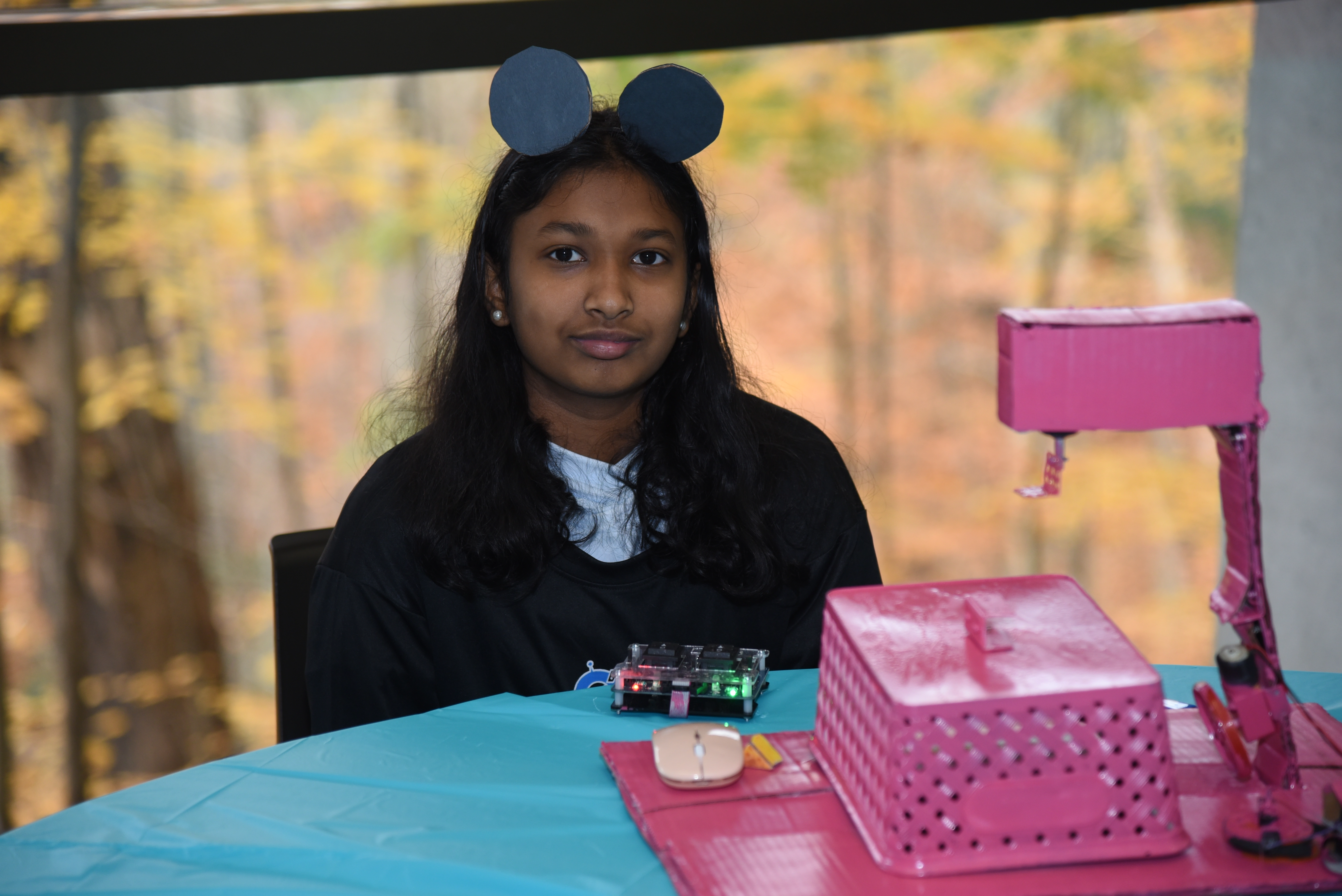
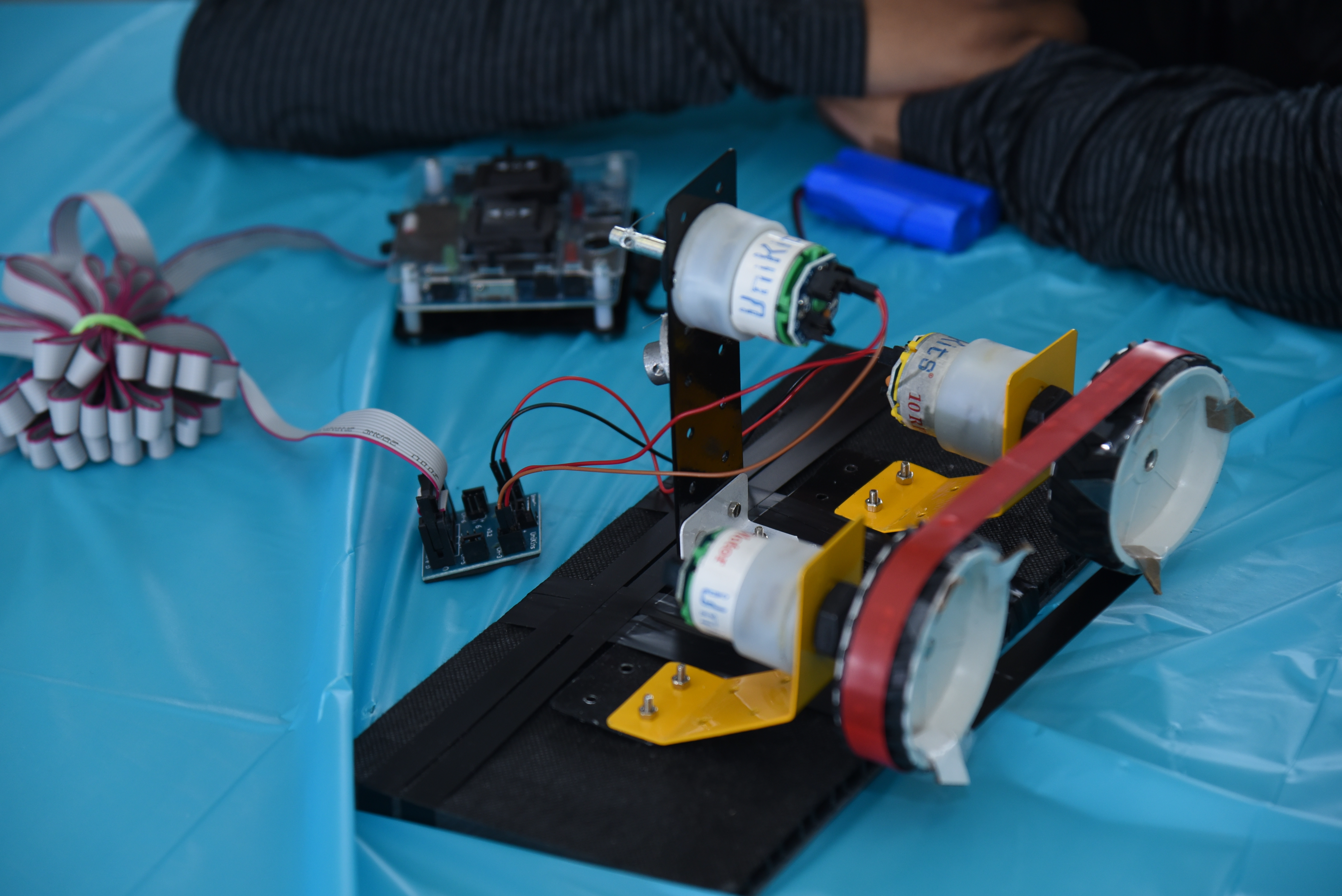
Kids learn by building, experimenting, and interacting with real robots. This tactile experience eliminates the fear of “breaking something.” It also breaks the unknown myths about kids learning to code.
OBotz teaches coding in levels that match a child’s cognitive development. Concepts are introduced in a natural, brain-friendly sequence that prevents overwhelm.
Children can see the impact of their coding decisions through robot actions. This makes even complex ideas easy to grasp and remember.
OBotz students build robots, detect errors, fix them, and iterate—just like real engineers. These experiences strengthen focus, logic, and perseverance.
Every child learns at their own pace. OBotz instructors offer encouragement, guidance, and personalized pathways so no child feels left behind.
Memory, focus, logic, and visual–spatial skills naturally improve through robotics-based projects. This prepares children not just for coding—but for academics and real-world problem-solving. OBotz makes Robotics STEM Education easy and effective.
Coding isn’t hard—kids just need the right approach. With the right tools, mindset, and environment, every child can become a confident coder.
OBotz is where hands-on robotics, engaging lessons, and child-centered teaching come together. If you want your child to enjoy coding, overcome frustration, and feel proud of what they create, this is where their journey begins.
Ready to see the OBotz difference? Book a free trial experience toda
Kids can start as early as 5–6 years old with visual, play-based platforms and progress to text coding later.
Yes, because kids can instantly see the results of their code through robot actions, making concepts clearer.
Most frustration comes from abstract concepts, unclear explanations, or lack of hands-on engagement.
Absolutely—coding improves logic and problem-solving, which often strengthens math skills over time.
OBotz uses robotics + cognitive science + activity-based learning, making coding tangible and fun.
Children develop stronger logic, focus, creativity, coding skills, and real-world problem-solving confidence.