Back to School with STEM: How to Start the Academic Year Strong

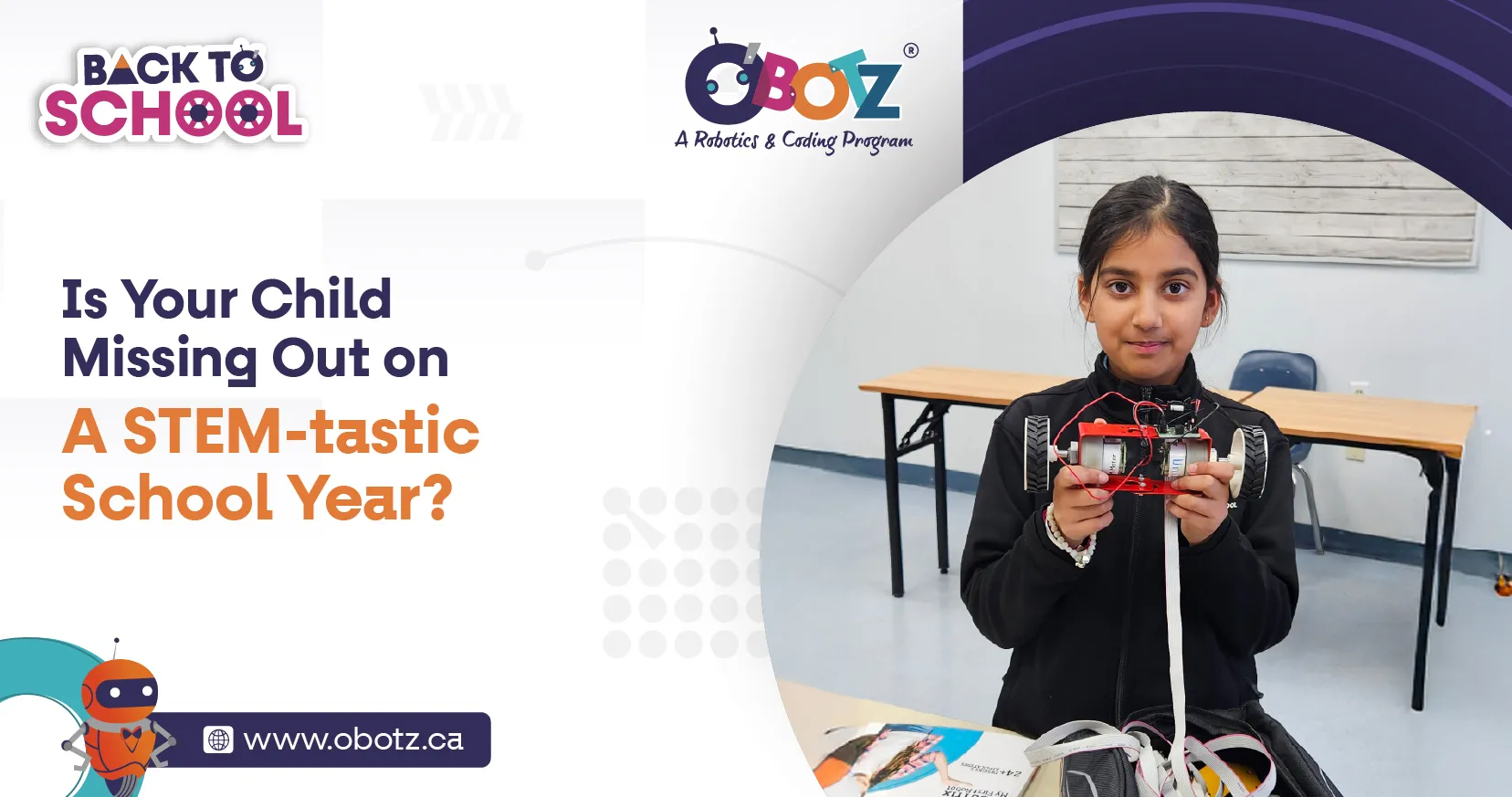
September marks fresh beginnings—new backpacks, sharpened pencils, and neatly packed lunches. As kids head back to classrooms brimming with energy, parents often wonder: How can I make this school year truly count for my child?
Here’s where STEM education comes in. STEM, short for Science, Technology, Engineering, and Math, isn’t just about learning equations or memorizing science facts. It’s about nurturing critical skills like problem-solving, creativity, and resilience. According to recent studies, STEM jobs are going to grow 3X faster than non-STEM jobs between 2023-2033.
But here’s the real question: When should you introduce your child to STEM, and how do you make it a natural part of their back-to-school routine? In this blog, we’ll explore why the start of the academic year is the best time to begin, the hidden advantages of early STEM exposure, and simple ways you can spark your child’s curiosity right at home.
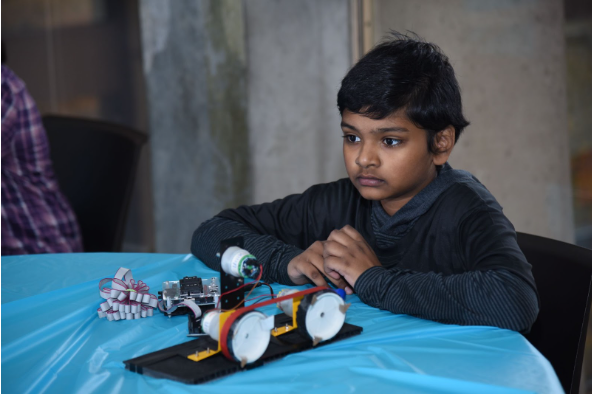
Kids are naturally curious. The start of school is when they’re most excited to explore, ask questions, and build new routines. By weaving in STEM early in the year, you help them:
If you’re wondering where to begin, OBotz has some great insights on how to get kids interested in STEM naturally.
School lays the foundation, but it often doesn’t provide enough room for kids to improve, build, and fail safely. That’s why extracurricular STEM opportunities are so valuable.
Take STEM Camp, for example. These camps create immersive environments where kids explore robotics, coding, and engineering challenges that feel more like play than study. The learning here becomes almost effortless—while children are busy having fun, they are also improving their problem-solving skills, teamwork capabilities, and creativity.
But when we as parents look for the best STEM programs for our kids, our search usually begins by Googling “best coding classes near me”. But here’s the thing: not all STEM programs are created equal. The strongest ones combine structured teaching with creative projects. At OBotz, kids don’t just “learn coding”, they use it to design and build something they can show off with pride.
Robotics for kids is a game-changer. It’s not just about motors, wires, or sensors; it’s about innovation, learning, persistence, and teamwork. When a child builds a robot that doesn’t work the first time (and trust us, it usually doesn’t), they learn to debug, problem-solve, and try again. That persistence and out-of-the-box thinking carry over into schoolwork, sports, and even friendships.
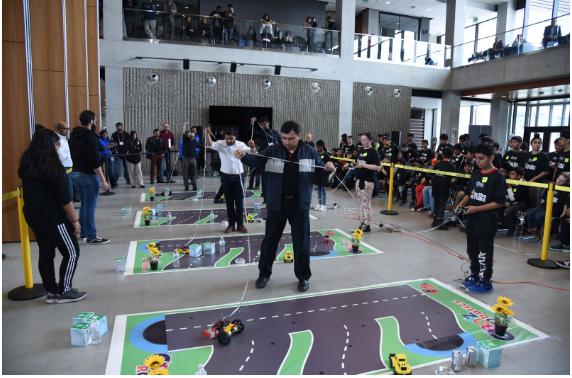
Check out some of the incredible student projects built by OBotz learners. You’ll see how curiosity transforms into innovation when kids are given the right tools and guidance.
Most parents want their kids to score well in school. But the truth is that good grades follow when kids build strong problem-solving skills. And STEM classes do exactly that.
From building bridges with limited materials to coding a maze-solving robot, kids are pushed to think critically, test solutions, and embrace failure as part of success. Don’t just take our word for it, OBotz recently shared insights on how STEM classes improve problem-solving skills. It’s not about teaching answers; it’s about teaching the process of finding answers.
Okay, so how do you actually fit STEM into your child’s already busy routine? Here are a few tried-and-true ways:
There are plenty of programs out there, but here’s why OBotz shines when it comes to STEM education:
Want to dive deeper into how OBotz approaches learning? Check out OBotz’s robotics program and learn what makes us the number one coding and robotics program in North America.
Parents can spark something bigger: a love for learning that goes beyond textbooks. So, this back-to-school season, don’t just pack notebooks and lunchboxes, pack in opportunities for innovation, too.
Ready to kickstart your child’s STEM journey? Book an experience with OBotz or visit your nearest OBotz center to learn more. You can use our Centre Finder to look for a center near you. Let’s make this academic year the strongest one with OBotz.