What is Artificial Intelligence for Kids: A Beginner’s Guide

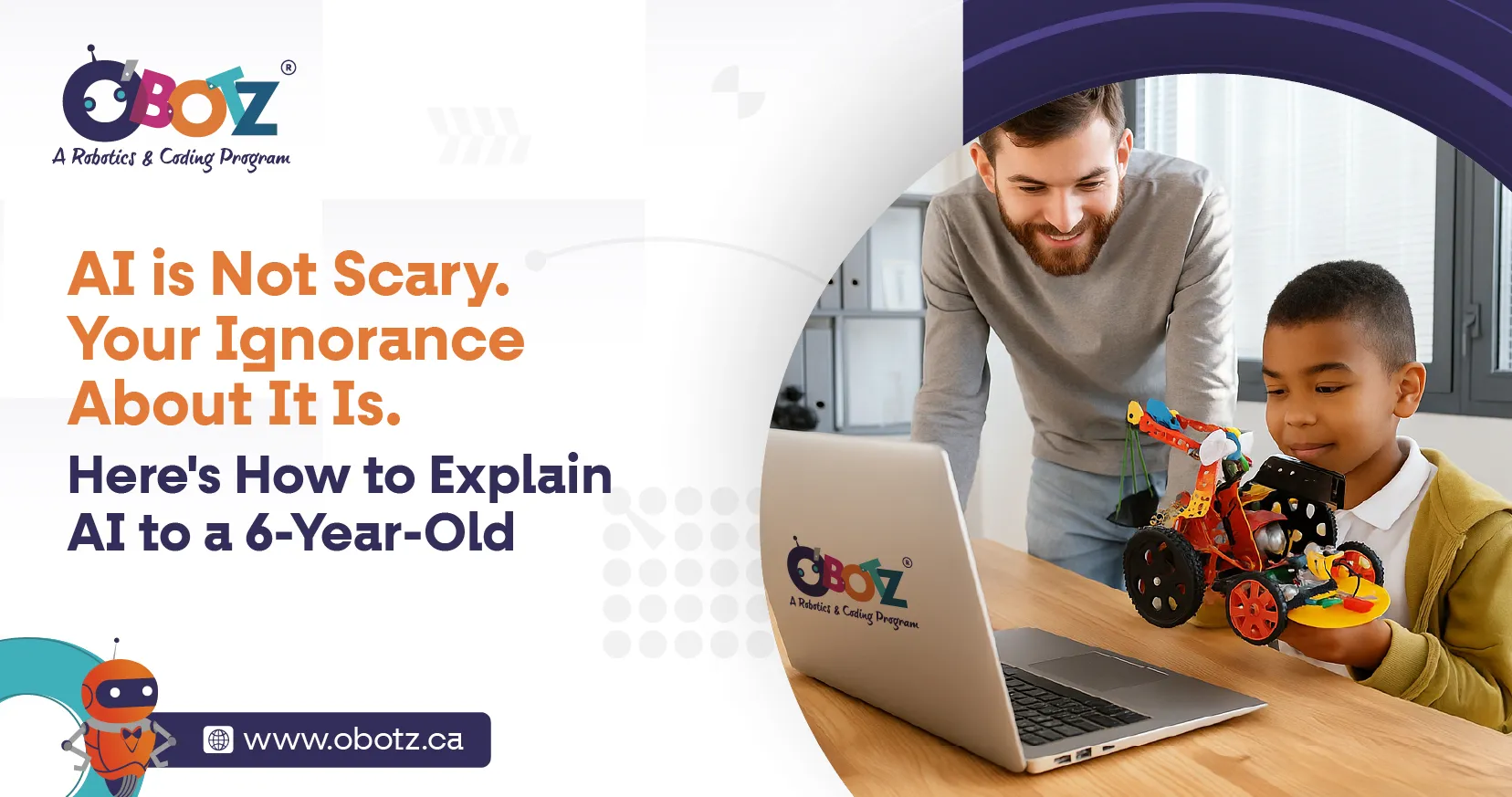
Imagine asking your toy robot to fetch your favorite book, and it actually does it. Sounds like magic, right? Well, that “magic” is what we call Artificial Intelligence (AI). AI is no longer a concept hidden in sci-fi movies; it’s part of our everyday lives.
From Netflix suggesting what you should watch next to Alexa answering your curious questions, AI is shaping how we learn, play, and even make decisions. But what exactly is AI for kids? And how can children learn to use it responsibly, not just as consumers but as creators? Let’s break it down.
At its core, Artificial Intelligence is teaching computers to “think” and “learn” the way humans do. Just like a child learns through trial and error, AI systems improve when they process data repeatedly. For example:
For kids, learning AI isn’t about diving into complicated coding right away; it’s about understanding these everyday applications and slowly learning to build similar problem-solving skills.
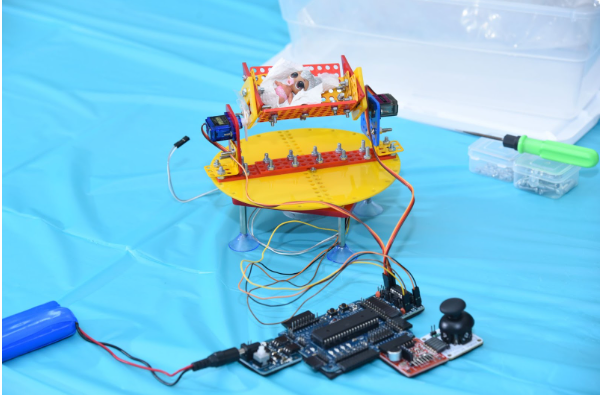
The future is undeniably digital, and kids today will enter a workforce where AI is everywhere. Understanding AI early on has some big advantages, like:
The good news is that AI isn’t only for computer scientists - it can be introduced to children in fun, age-appropriate ways. Here are some powerful ways to introduce your kids to AI:
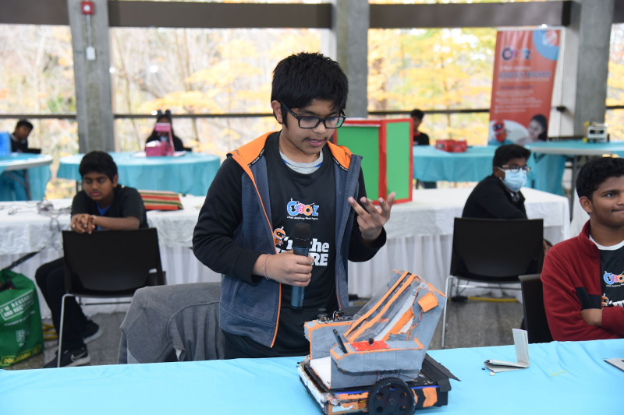
Other Everyday Ways Kids Encounter AI
When kids use these tools, AI no longer feels like a mysterious “robot brain,” it feels like an exciting skill they can master.
Yes, but there’s more to it. While AI is powerful, too much reliance on AI can deter critical thinking. If kids get used to machines doing all the thinking, they may lose the habit of asking why and how.
That’s why balance is key. Kids should use AI as a helper, not a replacement for curiosity, creativity, or reasoning. Programs like OBotz emphasize not just how to use AI but also how to think critically about it. As kids explore the role of coding, robotics, and AI, they learn that the human mind is still the most powerful tool of all.
Parents often ask: “What are the best coding classes for kids or coding classes near me?” The truth is, the best choice depends on your child’s interests and learning style. Some kids thrive in structured after-school classes, while others shine in short, high-energy workshops like coding summer camps. The key is to ensure the program blends coding, robotics, and AI in a hands-on, playful, yet educational way. That’s what makes the difference between memorizing and understanding.
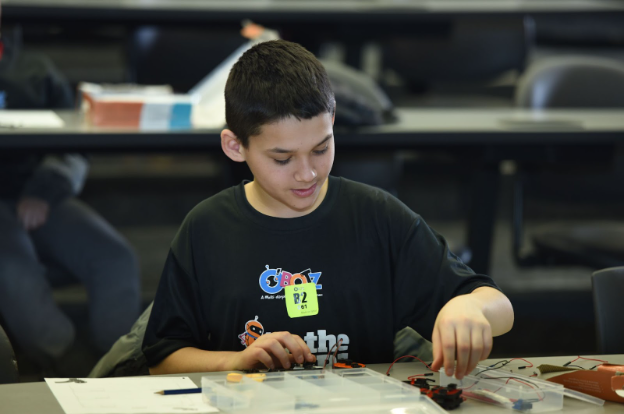
If you’re excited about introducing your child to AI in a fun and responsible way, OBotz has you covered. From hands-on AI & Machine Learning programs to immersive summer camps, OBotz makes the future of education exciting, engaging, and accessible.
Give your child a head start not just in technology, but in thinking, creating, and leading the future. Use our centre finder to find the nearest OBotz center and visit us today to learn more.
AI is when computers learn to think and make decisions like humans. For kids, it means using technology that can “learn” from data and respond smartly.
Children as young as 8 years can begin with basic coding and problem-solving games, then gradually explore AI concepts through engaging projects.
No, our courses are designed for all skill levels, including absolute beginners. We start with the basics and progressively build upon the concepts, ensuring a smooth and enjoyable learning experience for every child.
They’re related but not the same. While ML and AI classes focus on teaching kids how machines can learn, adapt, and make decisions, coding classes mainly teach programming languages and syntax.
Learning AI helps children develop essential skills for the future, such as critical thinking, problem-solving, and logical reasoning. It prepares them for a technology-driven world and opens up numerous career opportunities
If kids rely too much on AI, it can reduce critical thinking. That’s why it’s important to balance AI use with curiosity and problem-solving activities.
OBotz focuses on hands-on, project-based learning. We use engaging tools and real-world examples to teach AI concepts, ensuring that children not only understand the theory but also learn how to apply it in practical and creative ways.