From the Football Pitch to the Lab: How Robotics and Coding Are Transforming Sports

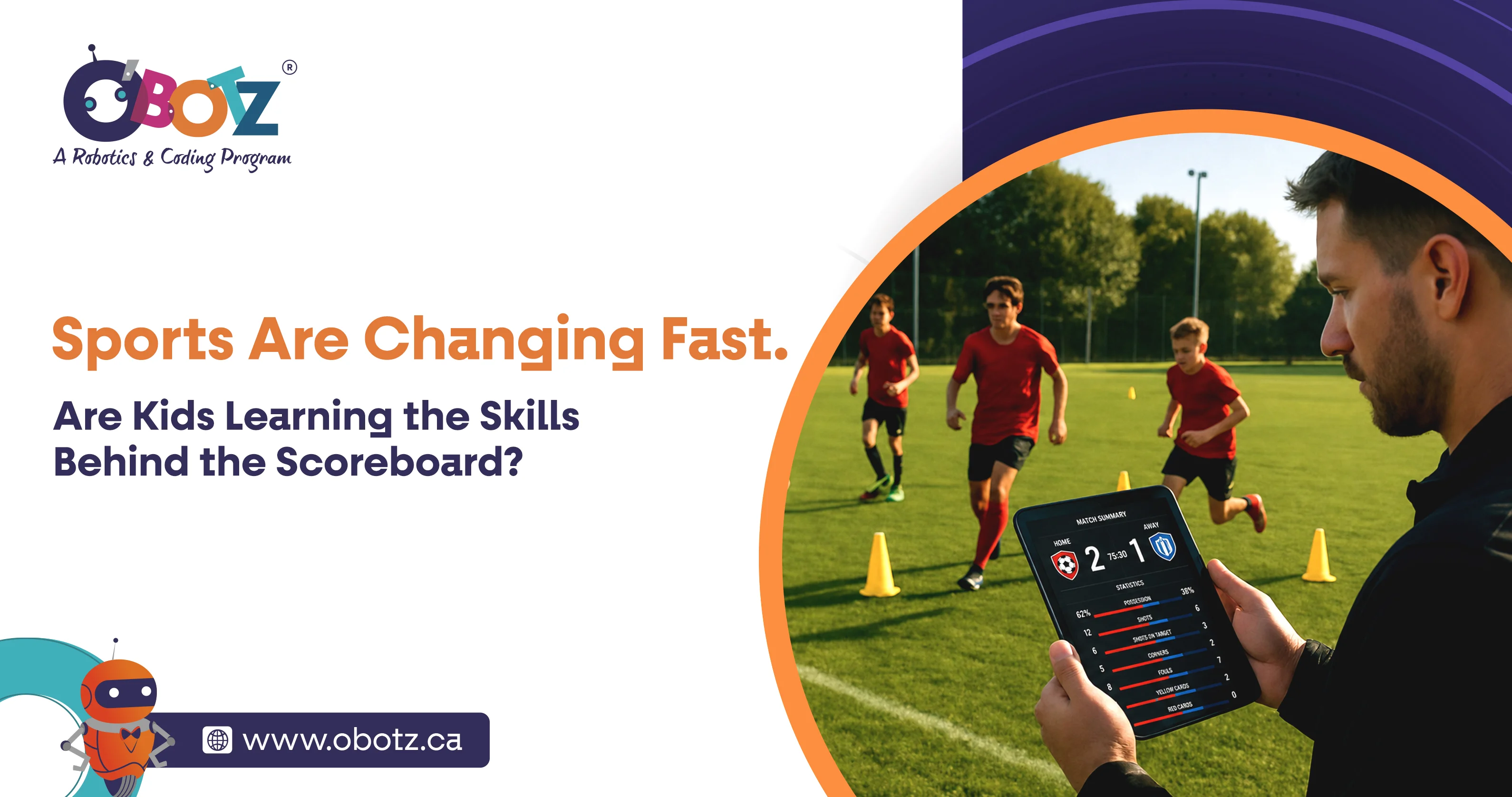
The 2026 FIFA World Cup has begun, bringing together the world's best footballers and capturing the attention of millions of fans across the globe. While spectators focus on the goals, saves, and tactical battles unfolding on the pitch, another competition is taking place behind the scenes—one powered by technology.
Today's teams rely on data analysts, software developers, robotics engineers, and AI specialists to gain a competitive advantage. From tracking player movement and monitoring fitness levels to analyzing match performance and reducing injury risks, technology has become an essential part of modern sports.
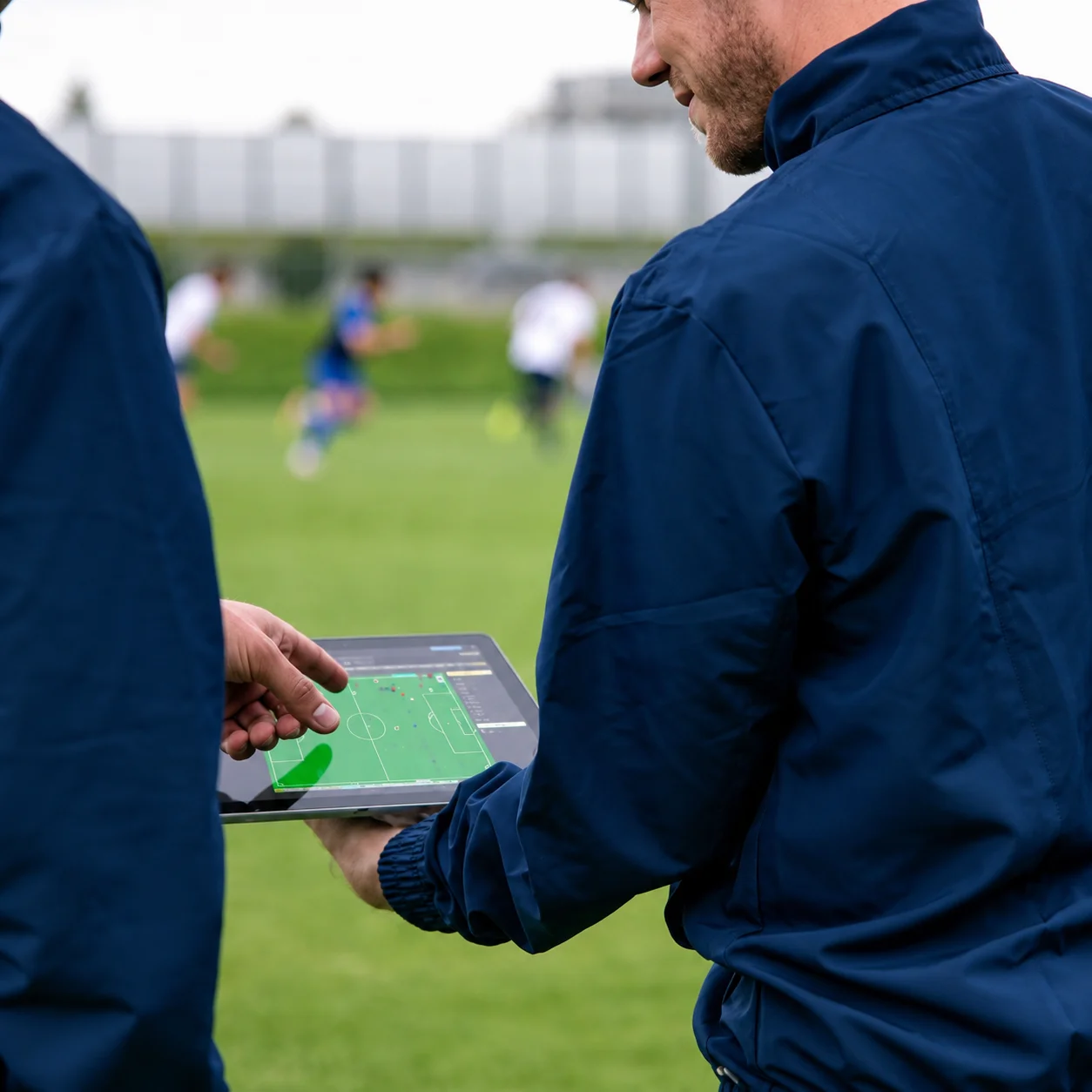
According to Grand View Research, the global sports technology market was valued at more than USD 18 billion in 2024 and is expected to continue growing rapidly over the next decade as teams invest in data analytics, wearable devices, and AI-driven solutions.
Another report from Deloitte highlights that data-driven decision-making is becoming central to professional sports organizations worldwide, influencing everything from player recruitment to performance optimization.
This shift presents an exciting opportunity for children. Through programs like those offered by OBotz, young learners can explore the technologies that are shaping the future of sports while building valuable STEM skills.
A decade ago, most sports discussions focused on physical training and strategy.
Today, coaches analyze player movement using sensors. Teams study performance through real-time data. Athletes use wearable technology to monitor recovery and prevent injuries. Stadiums use automation systems to improve fan experiences.
From football and basketball to tennis and Formula 1, technology is influencing nearly every aspect of modern sports.
This growing relationship between robotics and coding in sports is creating entirely new career pathways for young people who love both athletics and technology.
A child who enjoys sports may not necessarily become a professional athlete. However, they could become:
The future of sports extends far beyond the playing field.
Robotics is becoming increasingly important in training, rehabilitation, and performance analysis.
Many professional teams now use robotic systems that simulate real-game conditions.
For example:
These technologies allow athletes to practice repeatedly with incredible precision.
Robotic devices are also helping injured athletes recover more effectively.
Advanced rehabilitation equipment can:
These innovations demonstrate how STEM for sports is becoming essential across the athletic ecosystem.
When people think about sports careers, coding rarely comes to mind.
However, modern sports organizations depend heavily on software and data.
Every time a coach reviews player statistics, a scout evaluates talent, or a broadcaster displays real-time performance metrics, coding is working behind the scenes.
One of the fastest-growing areas in sports is sports analytics.
Sports analytics involves collecting and analyzing data to improve decision-making.
Teams use analytics to:
The algorithms powering these insights are created by programmers and data scientists.
This is why many educators believe that learning coding today can open doors to future careers in sports technology.
Many parents assume STEM programs are only for children interested in science or engineering.
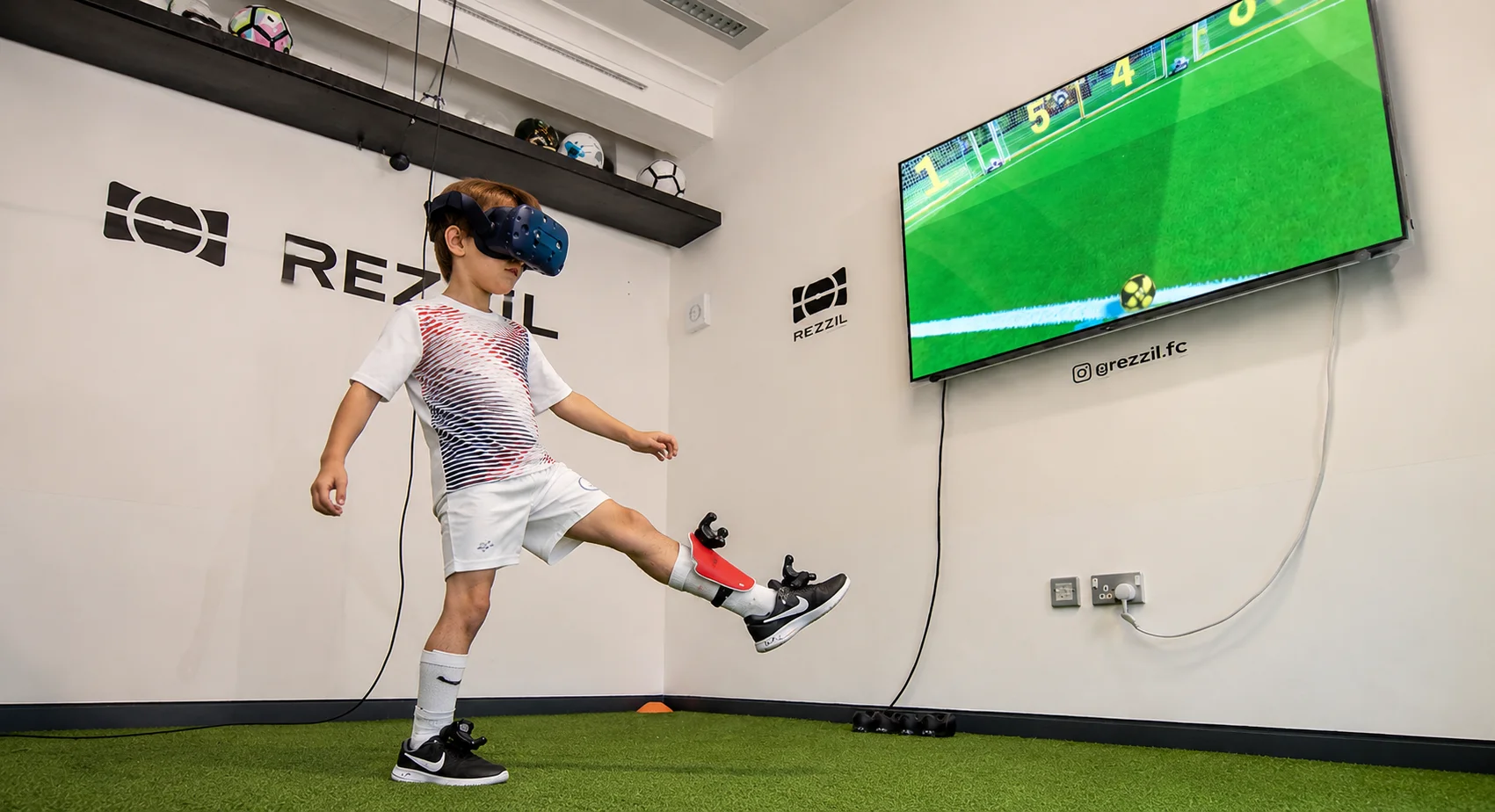
In reality, sports and technology are becoming increasingly interconnected.
Children who participate in robotics classes for kids or technology-focused learning experiences gain skills that complement their athletic interests.
Some of these skills include:
Sports require quick decisions under pressure.
Coding and robotics teach children how to analyze problems and develop logical solutions.
Building robots often involves collaboration, just like sports teams.
Children learn how to communicate, share ideas, and work toward common goals.
Innovation drives sports technology.
Young learners discover how creative thinking can lead to new solutions and better performance tools.
Both robotics and sports involve trial and error.
Children learn persistence, adaptability, and confidence when facing challenges.
These are valuable future skills for kids, regardless of whether they pursue sports, technology, or another field entirely.
The sports industry now offers careers that did not exist a generation ago.
Examples include:
|
Career |
What They Do |
|
Sports Data Analyst |
Analyzes performance metrics |
|
Sports Software Developer |
Builds performance-tracking platforms |
|
Robotics Engineer |
Designs training and rehabilitation systems |
|
Wearable Technology Specialist |
Develops athlete monitoring devices |
|
AI Performance Analyst |
Uses artificial intelligence to improve training |
|
Sports Technology Consultant |
Helps organizations adopt emerging technologies |
As technology becomes more integrated into athletics, demand for these professionals will continue to grow.
This is why introducing children to sports technology for kids at an early age can be incredibly valuable.
Children learn best when they can experiment, build, and create.
At OBotz, students engage in practical activities that encourage curiosity, creativity, and innovation.
Through structured learning experiences, children explore:
For a better understanding, you can read this guide on What Happens When Kids Learn Robotics Instead of Just Using Technology. Programs like these help bridge the gap between classroom learning and real-world applications.
Whether a child dreams of becoming an athlete, engineer, entrepreneur, or inventor, these skills provide a strong foundation for future success.
Technology is evolving faster than traditional educational systems can adapt.
This is why many families are turning to after school STEM programs to help children develop relevant future-ready skills.
Programs focused on robotics, coding, and innovation provide opportunities that go beyond textbooks.
Children gain exposure to:
Whether through a coding camp Canada experience, robotics workshops, or structured STEM programs, these opportunities prepare children for industries that are growing rapidly.
They also support broader goals around AI education for children, helping young learners understand technology rather than simply consume it.
The next breakthrough in sports may not come from a superstar athlete.
It may come from a young coder who develops a smarter training platform or a robotics engineer who designs safer rehabilitation systems or even a student who combines a passion for sports with a love for technology.
The world of sports is changing. Success increasingly depends on data, innovation, automation, and intelligent systems.
By introducing children to coding, robotics, and STEM learning today, we help prepare them for exciting opportunities tomorrow.
To learn more about hands-on technology education, visit OBotz and discover how young innovators can begin their journey into the future of sports and technology.
Or you can also Book an OBotz Experience Session and give your child an opportunity to explore the world of robotics, coding, and STEM education through engaging hands-on experiences.
Robotics is used for athlete training, performance analysis, rehabilitation, and equipment testing. Many professional teams use robotic systems to simulate game situations and improve training efficiency.
Coding powers the software and algorithms that collect, process, and analyze sports data. Teams use these insights to improve performance, reduce injuries, and make strategic decisions.
Yes. Robotics helps children develop problem-solving, teamwork, and analytical thinking skills that are increasingly valuable in modern sports environments. It also introduces them to technology-driven sports careers.
Important STEM skills include coding, data analysis, engineering, robotics, critical thinking, and problem-solving. These skills support many emerging careers within sports technology and performance science.
Children can begin through robotics programs, coding workshops, STEM clubs, and hands-on technology courses. These learning experiences provide foundational knowledge that can later be applied to sports innovation and analytics.