How OBOTZ Helps Kids Move Beyond Passive Screen Time

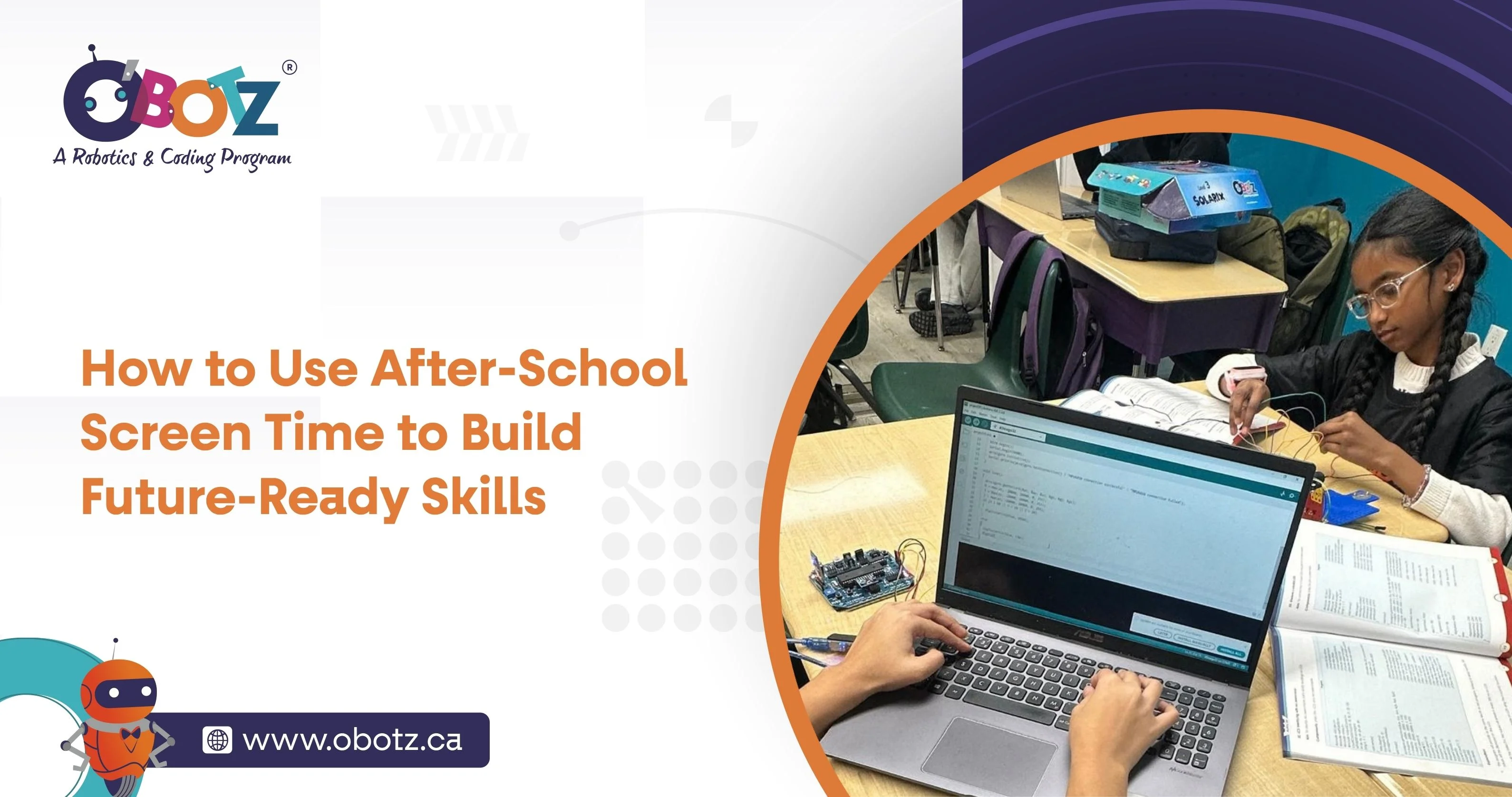
Screens have become part of everyday childhood. Kids use them for schoolwork, entertainment, communication, gaming, and everything in between. For parents, the challenge is no longer simply keeping children away from technology. It is helping them use technology in ways that add value.
That is where the difference between passive consumption and active creation matters.
At OBotz, children don't simply watch technology at work. They learn to code, build, experiment, troubleshoot, and understand how technology works. Instead of treating every minute in front of a device as the same, parents can focus on creating healthier and more purposeful digital experiences.
Here is how OBotz helps families discover better passive screen time alternatives while encouraging children to become creators rather than just consumers.
Understanding active vs passive screen time can change how parents think about their child's relationship with technology.
Passive screen use generally involves consuming content with limited interaction—such as endlessly watching short videos or scrolling through feeds. Active screen use asks children to think, make decisions, solve problems, or create something.
For example, writing code that controls a robot requires a very different level of engagement than watching videos for an hour.
This idea of digital creation vs consumption is important because the goal does not always have to be removing technology. Instead, families can look for opportunities to replace mindless consumption with productive screen time.
Parents wondering about reasonable limits can also explore OBotz's guide to how much screen time is okay after school, which offers practical context for managing technology once the school day ends.
Parents often search for ways to reduce screen time for kids, but strict limits alone may not address the bigger issue.
Children are growing up in a technology-rich world. Digital skills will continue to play an important role in education and many future careers. A more practical approach is to establish healthy screen habits while helping children understand that a device can be a tool for learning and creation—not only entertainment.
That could mean moving from watching gaming videos to programming a simple game, or from viewing robots online to learning how to build and control one.
For parents asking how to turn screen time into learning, the shift begins by giving children a goal. When technology becomes part of a project, challenge, or experiment, children have something meaningful to accomplish.
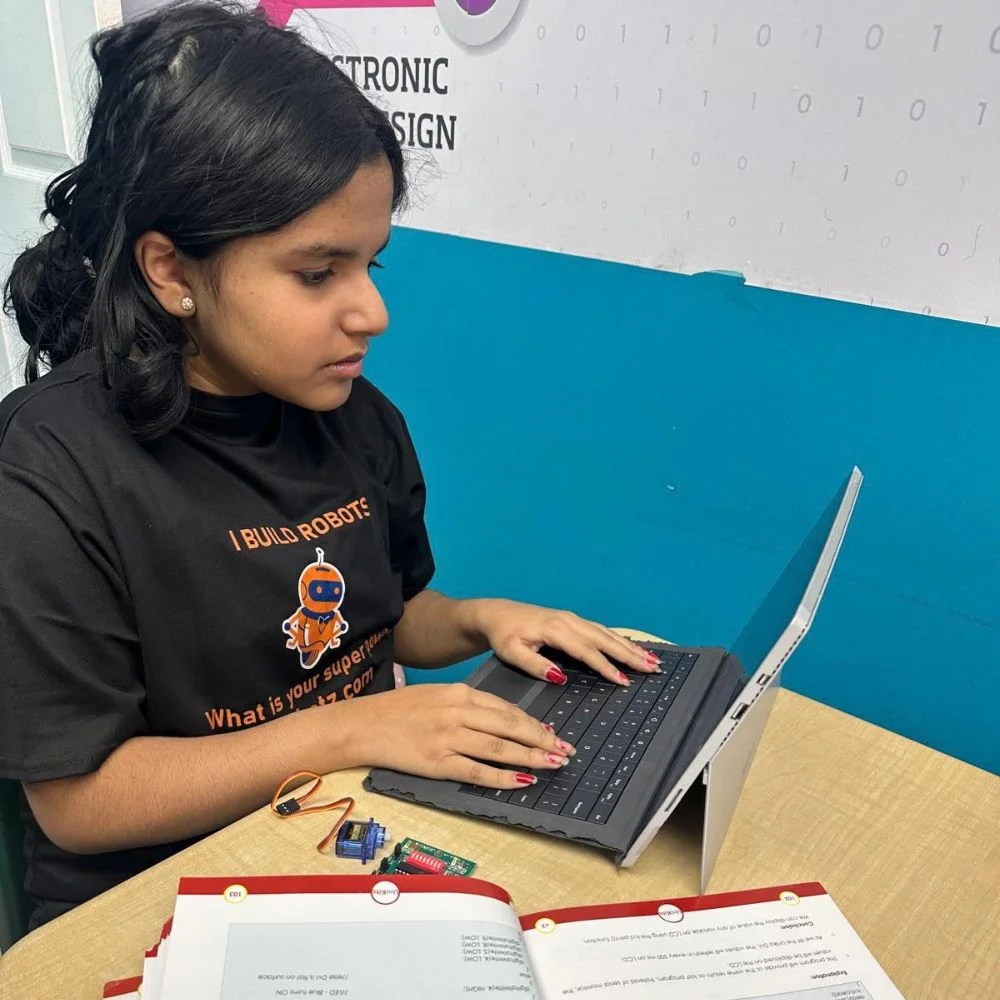
Coding is one of the clearest examples of educational screen time becoming an active experience.
Instead of waiting for a screen to entertain them, children give instructions, test ideas, spot errors, and improve what they have created. They learn that computers do not simply "do things" magically—someone has to design the logic behind them.
Through the OBotz coding program for kids, children can develop programming skills through structured learning and projects.
Even choosing the right technology can influence the learning experience. Parents preparing their child for coding can read OBotz's guide to choosing the best device for kids' coding before deciding what setup is appropriate.
The result is meaningful tech use in which the screen supports the learning process rather than becoming the entire activity.
Some of the best screen time alternatives for kids combine digital learning with physical, hands-on activities.
Robotics does exactly that.
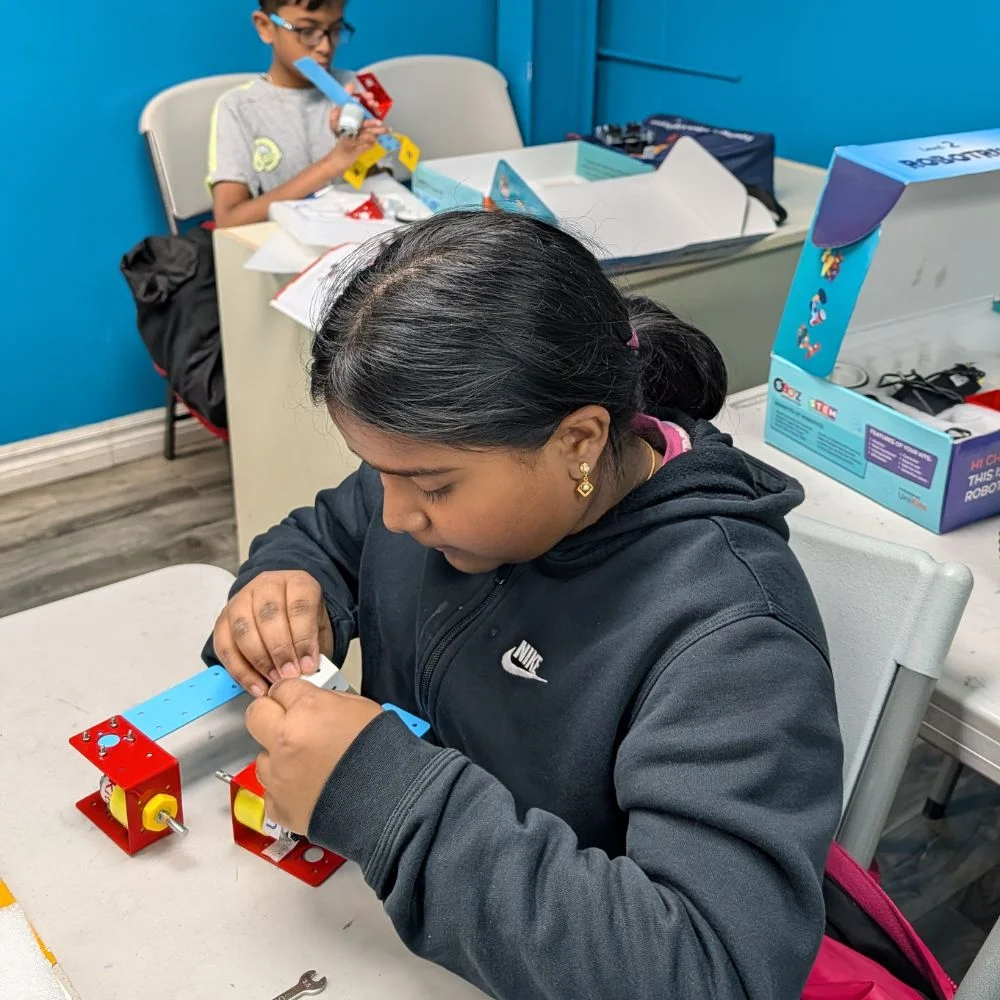
A child might write or modify code on a computer, but then they need to see what happens when that code interacts with a real robot. If something does not work, they have to investigate. Was the code incorrect? Is the component connected properly? Does the design need to change?
This cycle of building, testing, troubleshooting, and improving encourages children to remain actively involved.
That is why hands-on tech for kids can provide a valuable middle ground for families who want balanced screen use without treating technology itself as the problem.
OBotz explains more about this approach in its guide to robotics and after-school learning, where technology becomes part of a broader learning experience rather than passive entertainment.
After a long school day, it is easy for children to fall into a routine of videos, games, or endless scrolling. But screen time after school can also become an opportunity to explore interests that may not receive as much attention during regular classroom hours.
Coding and robotics give kids something concrete to work toward. Instead of asking, "What can I watch next?" they begin asking questions such as:
These questions encourage curiosity, experimentation, logical thinking, and persistence.
For parents researching after-school tech programs in Canada, this is an important distinction. A strong technology program should not simply put children in front of another screen. It should give them reasons to think, build, collaborate, and solve problems.
Replacing passive habits does not mean every free minute needs to become an academic lesson. Children still need downtime, physical activity, creative play, social interaction, and rest.
The goal is balance.
Useful alternatives to passive screen time for kids can include building models, puzzles, reading, outdoor activities, science experiments, crafts, robotics, and coding projects. The right choice depends on the child's age and interests.
Parents searching for "screen-free enrichment near me" may also want to consider programs that blend digital and physical learning rather than eliminating devices entirely.
This can help children understand an important lesson: technology is something they can control and create with—not something that has to control their attention.
The conversation around children's technology use does not have to stop at counting minutes.
What children are doing during those minutes matters too.
At OBotz, coding and robotics encourage kids to move beyond simply consuming digital content. They can experiment, create, troubleshoot, and gradually build confidence in working with technology.
For families looking for more productive ways to use children's interest in devices, structured technology learning can transform screen time from passive entertainment into an opportunity to develop valuable skills.
Ready to Change the Way Your Child Uses Technology? Book an OBotz experience and let your child explore coding, robotics, and hands-on technology learning.
Choose activities that require your child to create, solve problems, or make decisions rather than simply consume content. Coding, robotics, digital design, and interactive learning projects can make screen use more purposeful.
Passive screen time mainly involves consuming content, while active screen time requires thinking, interacting, problem-solving, or creating. Coding a project, for example, is more active than continuously watching videos.
Robotics, coding projects, puzzles, crafts, reading, outdoor play, science experiments, and building activities can all replace passive scrolling or viewing while keeping children engaged.
Robotics can give children an alternative way to engage with technology by combining coding with building, testing, and problem-solving. It shifts some technology use from passive consumption toward active participation.
There is no single limit that fits every child; age, school requirements, activity levels, sleep, and the type of screen use all matter. Parents can prioritize a healthy mix of homework, active play, family time, sleep, and purposeful technology use.