How OBOTZ Helps Raise Curious & Creative Thinkers

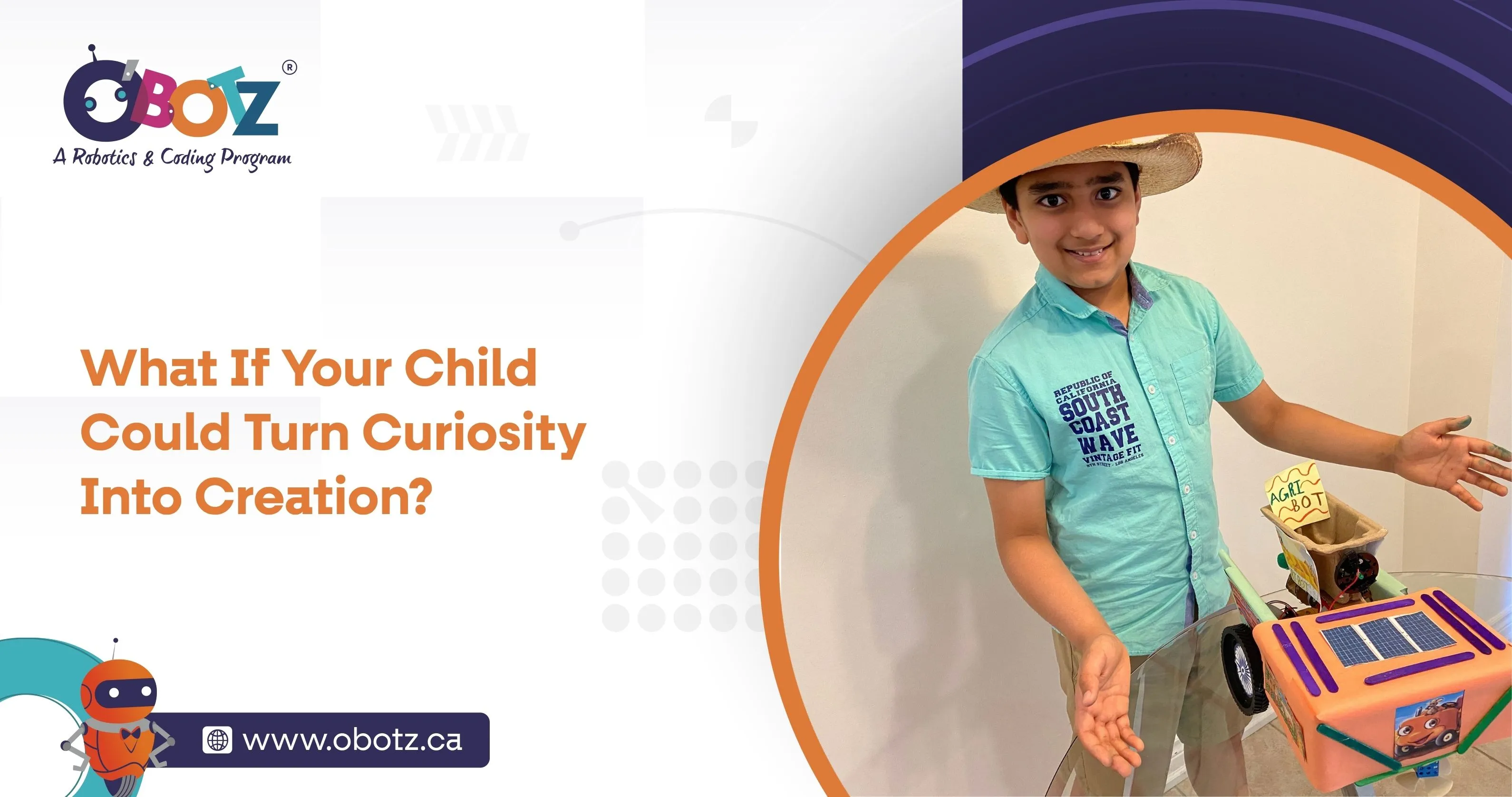
Children are naturally curious. They take things apart, ask endless questions, experiment with objects, and imagine possibilities adults may never consider. The challenge is not creating curiosity from scratch - it is giving children enough opportunities to keep using it.
That is where hands-on STEM education can make a difference. At OBotz, children don't simply receive information. They design, build, code, test, troubleshoot, and improve their own creations.
This approach makes raising curious kids less about constantly giving them answers and more about creating an environment where they are encouraged to discover those answers themselves. Through robotics and technology, children get space to explore ideas while building confidence in their ability to create.
Curiosity in children is what encourages them to look beyond the obvious. A curious child wants to know why something happens, what might happen if one part changes, or whether there is another way to solve a problem.
Creativity takes that curiosity one step further. It helps children turn questions into ideas and ideas into solutions.
Together, these abilities can support critical thinking skills and prepare children for situations where there may not be one clearly defined answer. This matters not only in STEM subjects but also in school, future careers, and everyday decision-making.
For parents wondering how to raise a curious child, one useful approach is to give children opportunities to investigate rather than immediately explaining everything. OBotz creates these opportunities through structured projects that still leave room for experimentation.
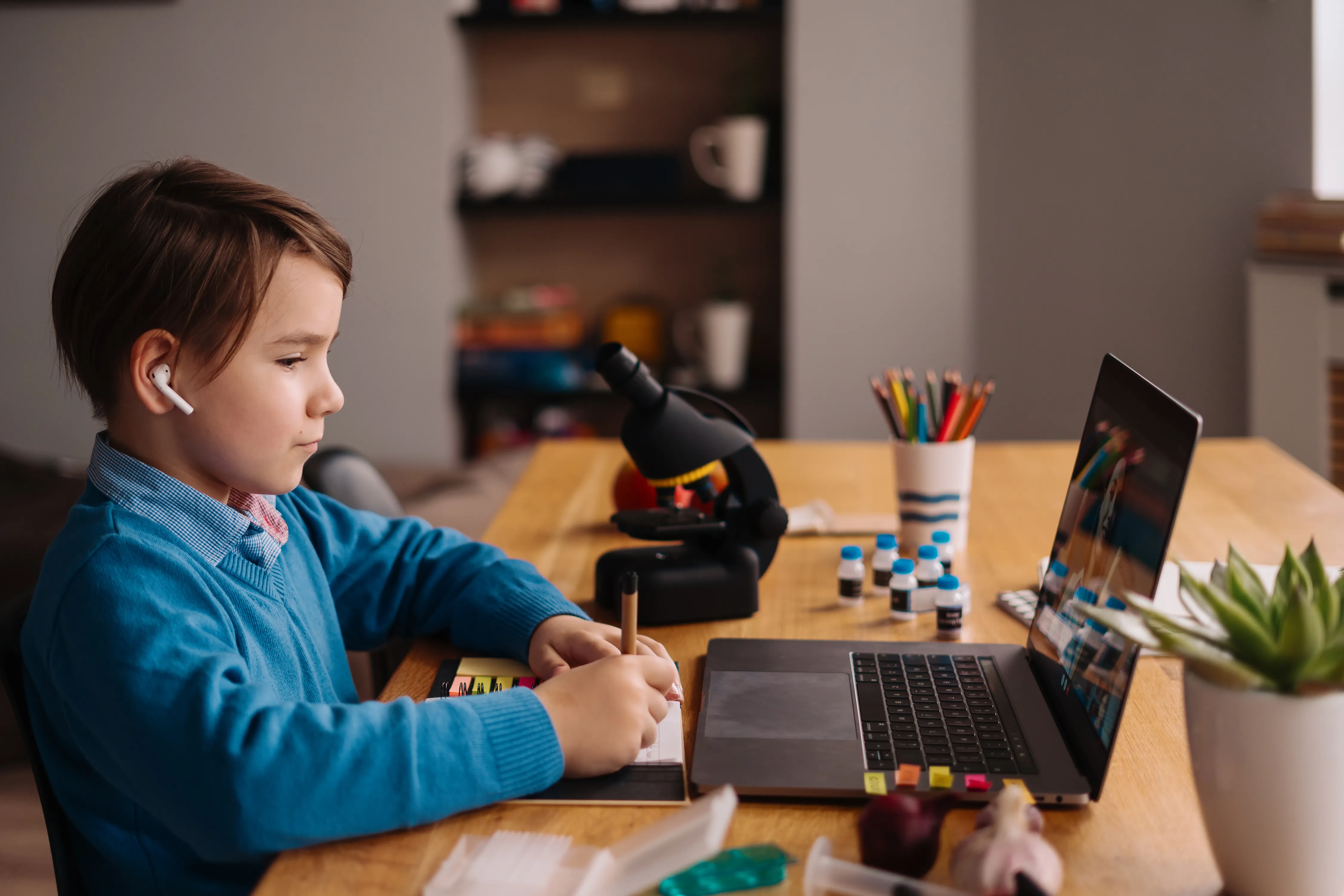
A robotics project naturally invites questions.
Why isn't the robot moving in the expected direction? What happens if the sensor is repositioned? Can the code be changed to make the robot react differently?
Instead of treating these questions as distractions, robotics makes them part of learning.
OBotz encourages students to explore how technology works by interacting with it. This helps turn curiosity into action. Children learn that asking questions is only the beginning—they can test their ideas to discover what happens next.
Parents interested in encouraging this quality can also explore OBotz's tips to instill curiosity in teenagers. This focus on exploration helps children develop an innovation mindset in which new possibilities are worth investigating.
Building creativity in children requires more than asking them to “be creative.” They need materials, challenges, freedom to experiment, and opportunities to make decisions.
Robotics brings these elements together.
When children build a robot, they may need to decide how components fit together, how their design should work, and how to program specific actions. When the first attempt doesn't work, they can rethink the design.
That cycle makes problem-solving for kids much more tangible.
OBotz explores this connection further in its guide on how robotics classes can improve creativity. The goal of nurturing creativity is not always to produce a perfect final project. Often, the most valuable learning happens while children are figuring out what went wrong and imagining another approach.
Traditional academic exercises often have predetermined answers. Real-world problems rarely work that way.
A child working on a robotics challenge might find several possible ways to achieve the same result. One design may use different components, while another child may solve the problem through a different sequence of code.
This freedom encourages creative thinking for kids because students can explore their own ideas rather than simply copy a fixed solution.
It also supports imaginative thinking. A set of motors, sensors, wires, and code is no longer just a collection of technical components. To a child, it might become a smart vehicle, automated machine, useful device, or something completely unexpected.
That combination of STEM and creativity shows children that technology can be a tool for bringing ideas to life.
Fear of being wrong can quickly limit creativity. Children may avoid experimenting when they believe every attempt needs to succeed.
Robotics provides a different experience.
If a robot doesn't perform as expected, students have something concrete to investigate. They can inspect the construction, review their code, adjust a component, and test again.
The unsuccessful attempt becomes information.
This process can encourage the kind of growth mindset kids need when facing challenging tasks. Rather than viewing “it didn't work” as the end of an activity, they begin asking, “What should I change?”
This is one reason curiosity can be especially valuable in technology education. OBotz explains the idea further in why curiosity can matter more than intelligence in tech learning.
Children can learn about technology through videos and explanations, but physically creating something provides a different kind of experience.
Hands-on learning creativity happens when students can make a choice and immediately see its consequences. Change the design, and the robot behaves differently. Modify the program, and a new action becomes possible.
This immediate connection between idea and outcome encourages children to keep experimenting.
For families searching for activities that build creativity in kids, projects involving robotics, coding, design, construction, and experimentation can provide both structure and freedom.
OBotz also explores how STEM can reveal a child's natural ability to invent and experiment in exploring kids' natural innovation through STEM.
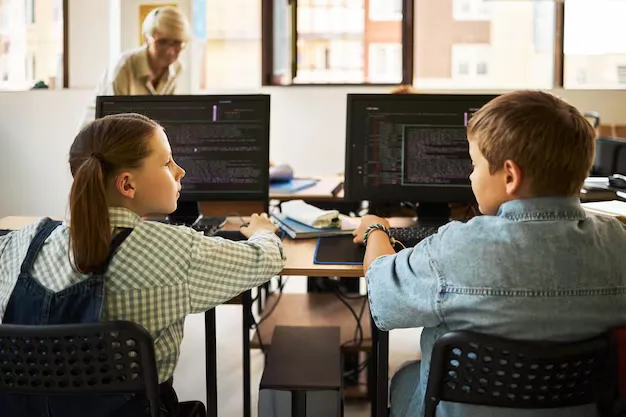
Children are surrounded by technology, but using technology and understanding how to create with it are very different experiences.
Robotics encourages children to move from passive interaction toward active creation.
They begin thinking about what makes a machine work, how instructions control its behaviour, and how technology could be redesigned to accomplish something new. This gives creativity a practical purpose.
For parents exploring creative STEM programs Canada offers, it can therefore be useful to look beyond how much technology a program uses and consider what children actually do with it.
Are they watching, or are they building? Are they following every step, or do they have opportunities to make decisions? Are mistakes discouraged, or do they lead to further experimentation?
These differences can shape how deeply children engage with STEM.
The world children grow into will continue to change. Specific technologies may evolve, but the ability to question, experiment, adapt, and create will remain valuable.
That is why raising curious kids is about much more than academic performance. It is about helping children become active thinkers who are willing to investigate unfamiliar challenges.
Through robotics, coding, building, and experimentation, OBotz gives young learners opportunities to turn questions into projects and ideas into working creations.
Children don't need every answer handed to them. Sometimes, they need the tools and freedom to discover what they can create on their own.
If your child loves asking questions, experimenting, building things, or figuring out how technology works, give them a chance to experience hands-on STEM learning. Book an OBotz experience and let them explore, create, and build with technology.
Encourage questions, let your child experiment, and avoid immediately solving every problem for them. Hands-on projects that allow exploration and multiple solutions can help support both curiosity and creativity.
Robotics can support creativity by encouraging children to design, experiment, troubleshoot, and find different solutions to challenges. The process gives children practical opportunities to turn their ideas into working projects.
Building projects, coding, robotics, open-ended construction, design challenges, puzzles, art, and experimentation can all encourage creative thinking. The best activities leave room for children to make choices rather than simply follow instructions.
STEM learning can combine logical thinking with experimentation and invention. Children can test ideas, learn from unsuccessful attempts, and develop new approaches to practical challenges.
Programs that combine hands-on STEM, robotics, coding, experimentation, and open-ended challenges can be valuable for imaginative learners. Parents searching for robotics classes for creative kids near me can explore OBotz programs and available learning experiences in Canada.