Machine Learning for Teens: A Beginner's Guide

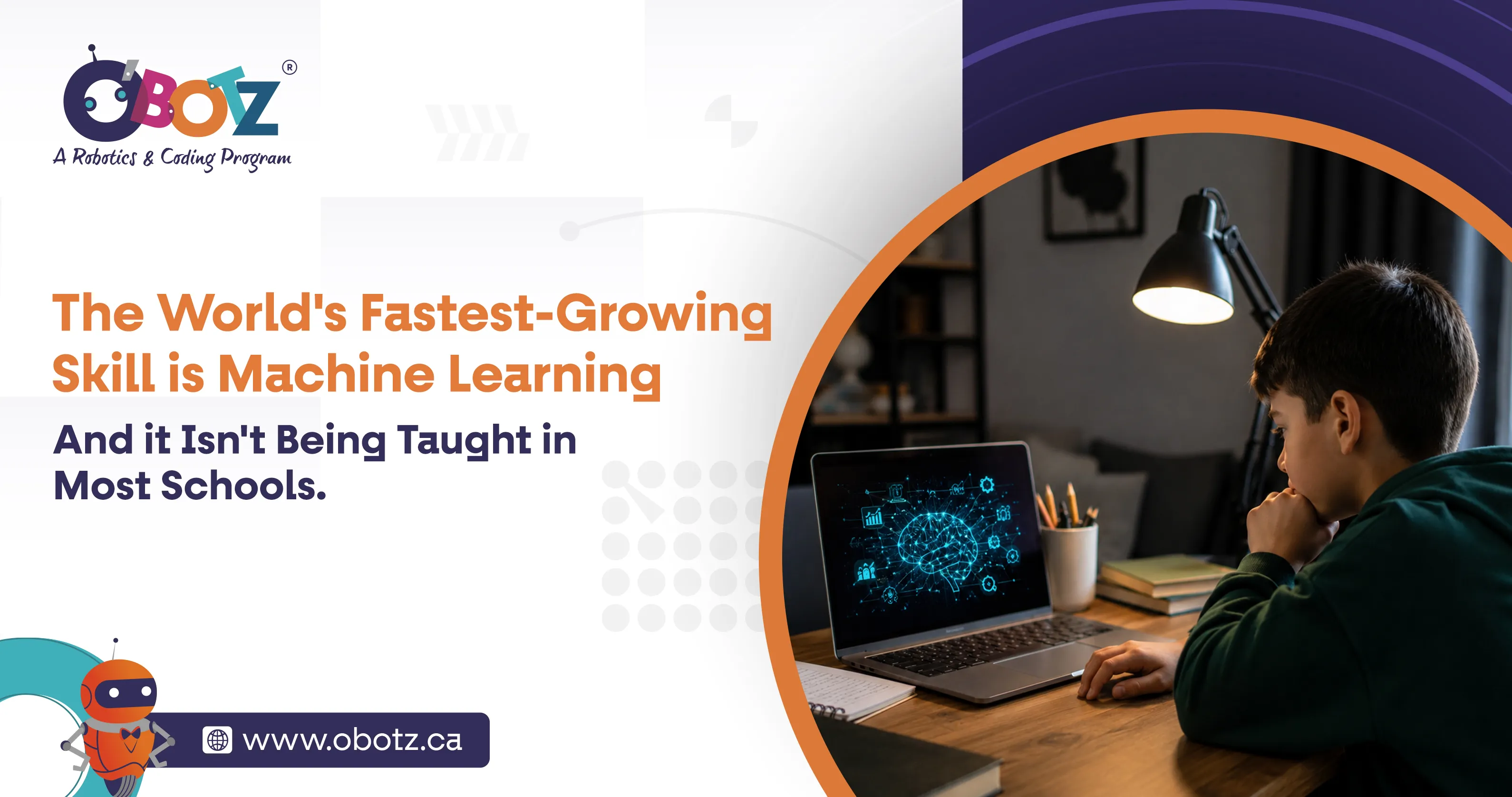
Artificial Intelligence is no longer science fiction. From Netflix recommendations and YouTube suggestions to self-driving cars and ChatGPT, machine learning is quietly powering the world around us.
The exciting part? Teenagers today don't have to wait until college to learn it.
With structured STEM education and the right guidance from OBotz, students can build the logical thinking, programming skills, and problem-solving mindset needed to understand AI from an early age. Whether you're exploring coding classes near me or planning your child's long-term STEM journey, now is the perfect time to begin.
Machine learning (ML) is a branch of Artificial Intelligence that enables computers to learn from data rather than being explicitly programmed for every task.
Instead of writing instructions for every possible situation, programmers provide examples. The computer studies patterns, improves through practice, and gradually becomes better at making predictions or decisions.
For teenagers, this means creating programs that can:
Machine learning combines coding, mathematics, creativity, and critical thinking—making it one of the most exciting technologies to learn today. Read our guide on How to Explain Machine Learning to Kids before diving deeper.
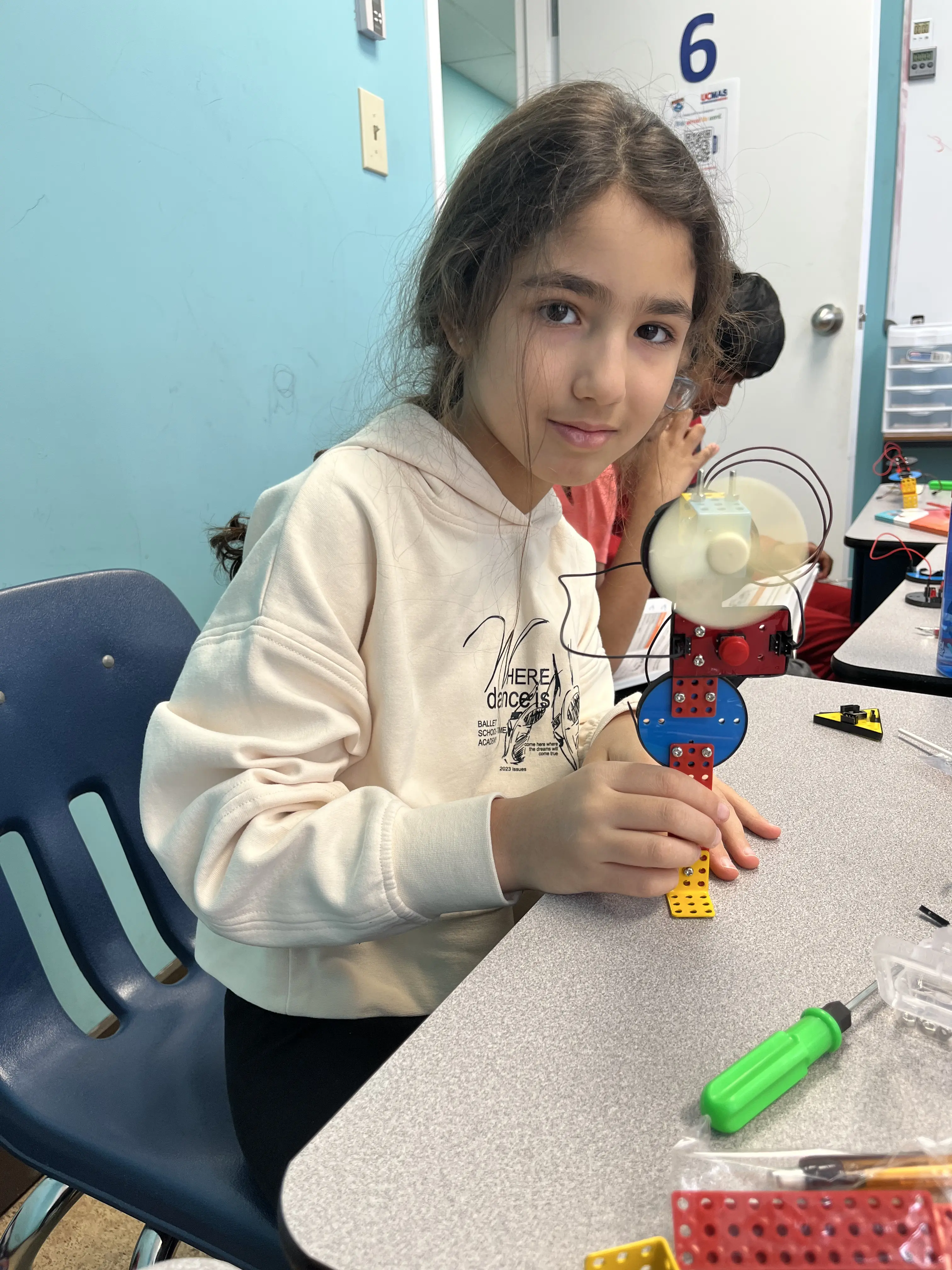
The future workplace will increasingly expect AI literacy across almost every profession.
Learning machine learning helps teenagers develop skills that extend well beyond technology.
Explore how AI is reshaping careers in Gen Alpha & the AI Revolution in Robotics.
Machine learning becomes much easier when students first develop strong programming foundations.
Here are the essential building blocks:
Python is widely considered the best beginner language for AI because its syntax is simple and easy to understand.
Students learn:
You don't need university-level mathematics to begin.
A comfortable understanding of:
is more than enough for beginner projects.
Many robotics challenges naturally strengthen algorithmic thinking before students begin AI projects.
That's why robotics classes for kids often become an excellent stepping stone toward machine learning.
Hands-on learning makes complex ideas much easier to understand.
Some beginner-friendly projects include:
1. Movie Recommendation System: Students build a simple program that recommends movies based on viewing preferences.
2. Image Recognition: Using beginner AI tools, teens teach a computer to recognize everyday objects like fruits, animals, or school supplies.
3. Spam Email Detector: Students learn how computers identify unwanted emails by recognizing patterns in text.
4. Mood Predictor: A fun project where the computer predicts emotions from simple text input.
These projects help students see how AI works in the real world while keeping learning engaging.
Many parents think coding and robotics are separate subjects.
In reality, robotics creates the perfect bridge into machine learning.
When students build robots, they naturally learn:
Later, these same concepts evolve into AI systems.
That's why many parents searching for coding and robotics classes near me choose integrated STEM programs instead of coding alone.
Parents often assume expensive equipment is necessary.
Fortunately, today's students can begin with:
Many families also combine home practice with online robotics classes for kids, allowing students to receive structured guidance while learning from anywhere in Canada.
Machine learning can seem overwhelming initially.
Some common obstacles include:
Machine learning opens doors to some of today's fastest-growing careers.
These include:
Explore even more exciting opportunities in 7 Booming Careers in Robotics.
At OBotz, students don't simply memorize programming concepts—they build, experiment, and innovate.
Our curriculum gradually develops:
Whether parents are searching for the best coding classes near me or exploring STEM enrichment opportunities, OBotz provides age-appropriate pathways that grow with every learner.
Students in cities looking for coding classes Toronto, coding classes Edmonton, coding classes Markham, coding classes Montreal, or coding classes for kids Ottawa can begin building future-ready skills through OBotz's structured STEM programs.
Still wondering whether coding is worthwhile in today's AI-driven world? Read Is Coding Worth It in the AI Era? to discover why coding remains one of the most valuable skills students can learn.
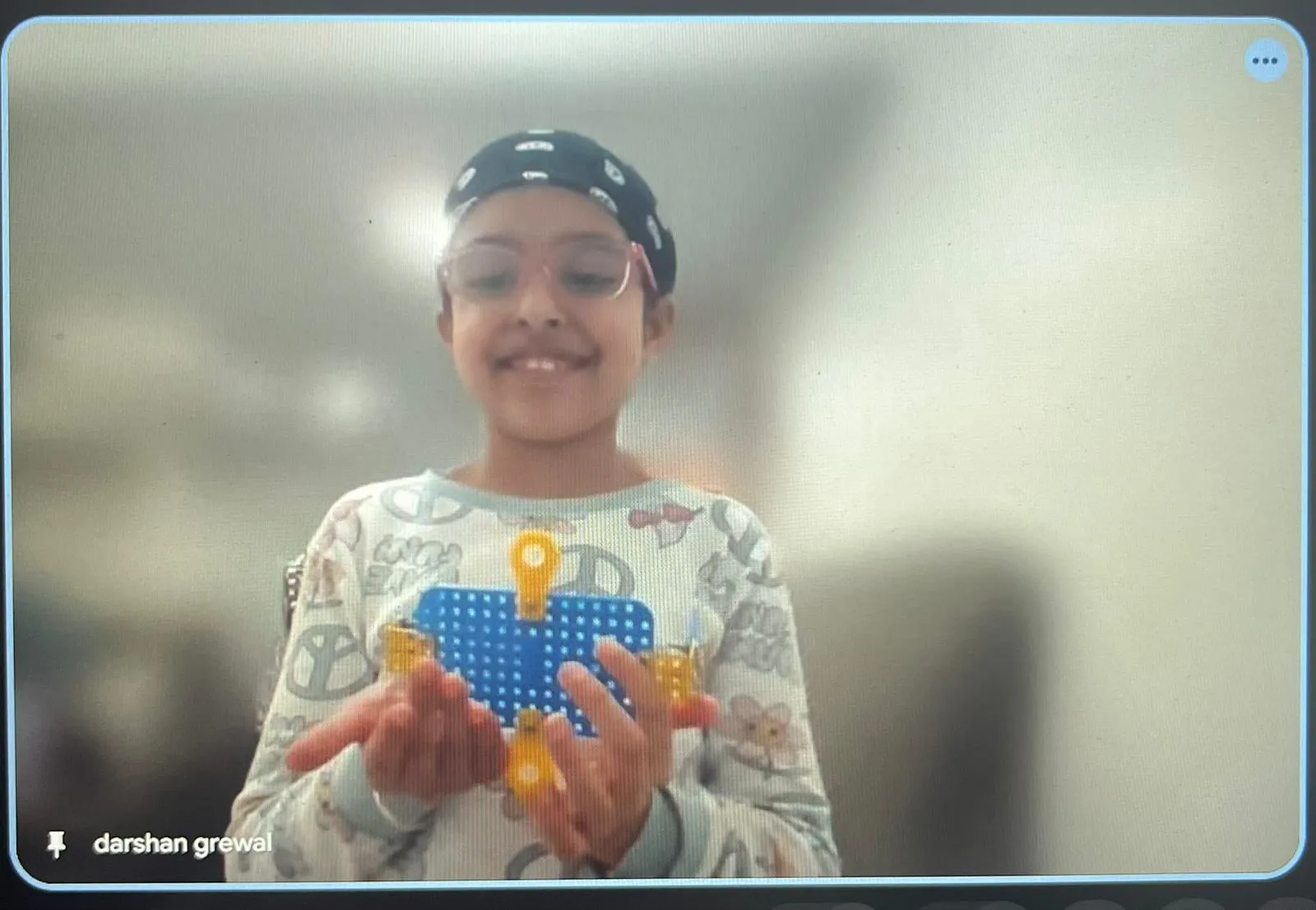
Machine learning is no longer a skill reserved for university students or professional engineers.
Today's teenagers have access to powerful learning tools, engaging robotics platforms, and beginner-friendly programming languages that make AI education more accessible than ever before.
The earlier students begin developing computational thinking and AI literacy, the more confident they'll become in solving tomorrow's biggest challenges.
Ready to help your child move from simply using AI to creating it? Visit OBotz to explore our programs and take the first step toward future-ready learning. When you're ready to enroll, complete our Enrollment Form and begin your child's AI journey today.
Most children can begin learning coding concepts between ages 5 and 7 through visual programming, games, and robotics. As they grow older, they can gradually transition into text-based languages like Python and eventually explore machine learning.
Yes. Young children learn best through block-based coding, educational games, and simple robotics activities. The focus should be on creativity, sequencing, and logical thinking rather than complex programming syntax.
Children under 8 usually begin with visual block-based coding. Older children and teenagers typically start with Python because it's beginner-friendly and widely used in artificial intelligence and machine learning.
Not at all. Age 12 is actually an excellent time to begin coding because students are ready for more advanced programming concepts while still having years to build strong technical skills.
Look for programs that offer structured, age-based curricula, experienced instructors, project-based learning, and gradual progression from coding to robotics and AI. A trial class can also help determine whether the program matches your child's interests and learning style.
Children who start at age 6 often develop computational thinking naturally alongside other foundational skills. Those beginning around age 10 usually progress faster through technical concepts because they have stronger reading, mathematics, and reasoning abilities.