Why Gen Alpha Learns Differently-and What That Means for STEM

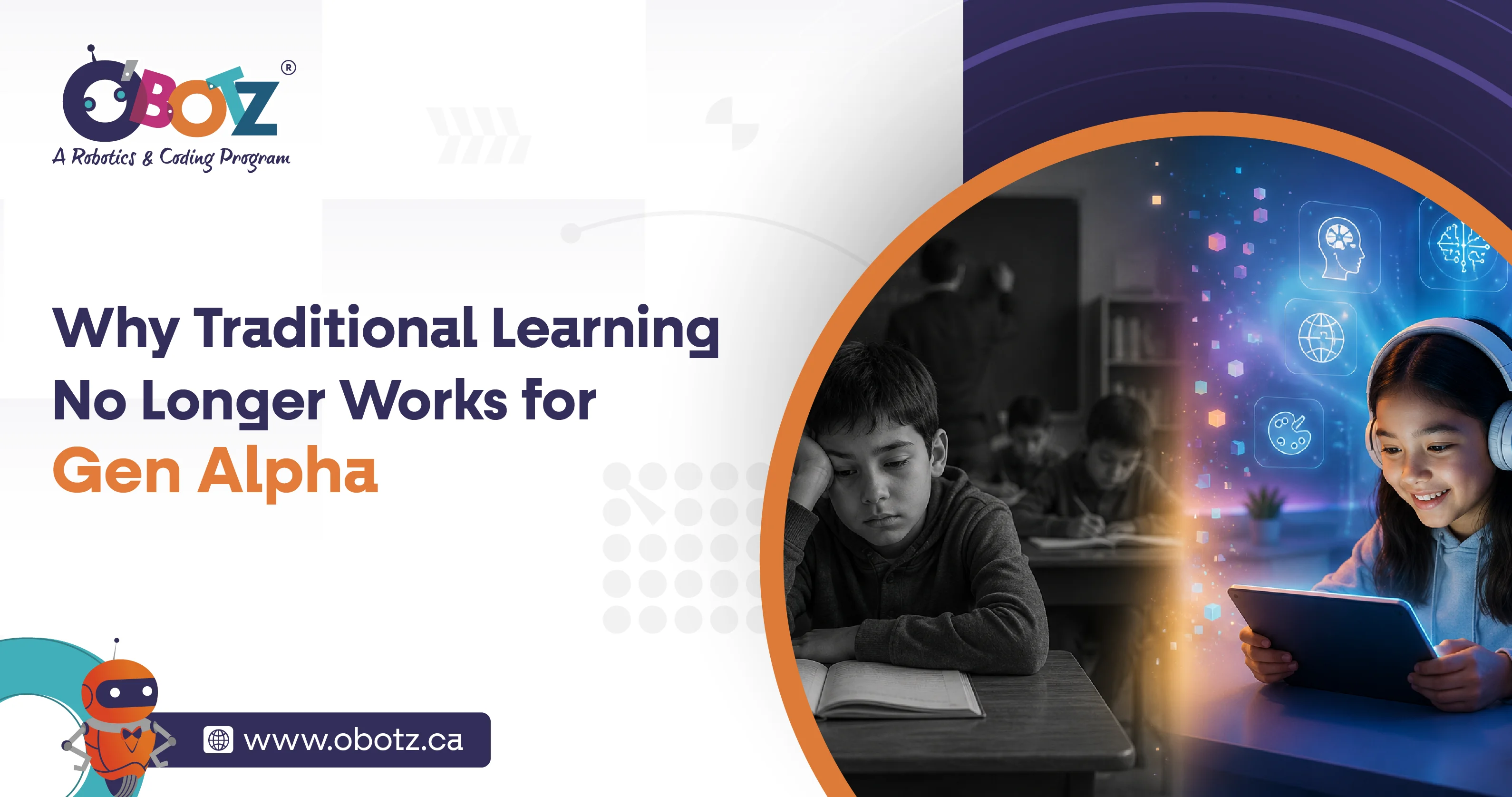
The generation growing up today has never experienced a world without smartphones, artificial intelligence, or instant access to information. These children, known as Gen Alpha, process information differently, ask different questions, and expect learning experiences that are interactive rather than passive.
This shift isn't simply another educational trend—it represents the future of education.
Parents across Canada are beginning to realize that preparing children for tomorrow's careers requires more than strong academic grades. Children need creativity, adaptability, digital confidence, and real-world problem-solving experiences.
That is why organizations like OBotz are transforming the way children learn through robotics, coding, and hands-on STEM education. At OBotz Canada, learning moves beyond textbooks to help children build skills that matter in tomorrow's technology-driven world.
Unlike Millennials or Gen Z, Gen Alpha has grown up surrounded by smart devices, voice assistants, AI-powered applications, and interactive technology from infancy.
Their Gen Alpha learning styles are shaped by:
Instead of memorizing information, these learners prefer discovering answers through experience.
This changing behaviour is influencing STEM education trends around the world, encouraging schools and enrichment programs to become more project-based and experiential.
Parents can also better understand this generation by reading Familiarizing with Gen Alpha and Their Characteristics.
Conventional classrooms remain essential, but they often focus heavily on listening, reading, and standardized assessments.
Gen Alpha learners typically thrive when they can:
This is where digital learning for kids becomes especially valuable.
Interactive technologies allow children to receive immediate feedback, make corrections, and continuously improve their thinking.
Rather than simply learning about science or technology, they actively experience it.
The workplace is changing faster than ever.
Automation, artificial intelligence, robotics, and data science are reshaping industries that today's children will eventually enter.
Because of this, educators are placing greater emphasis on practical STEM experiences instead of theory alone.
Modern coding education introduces children to:
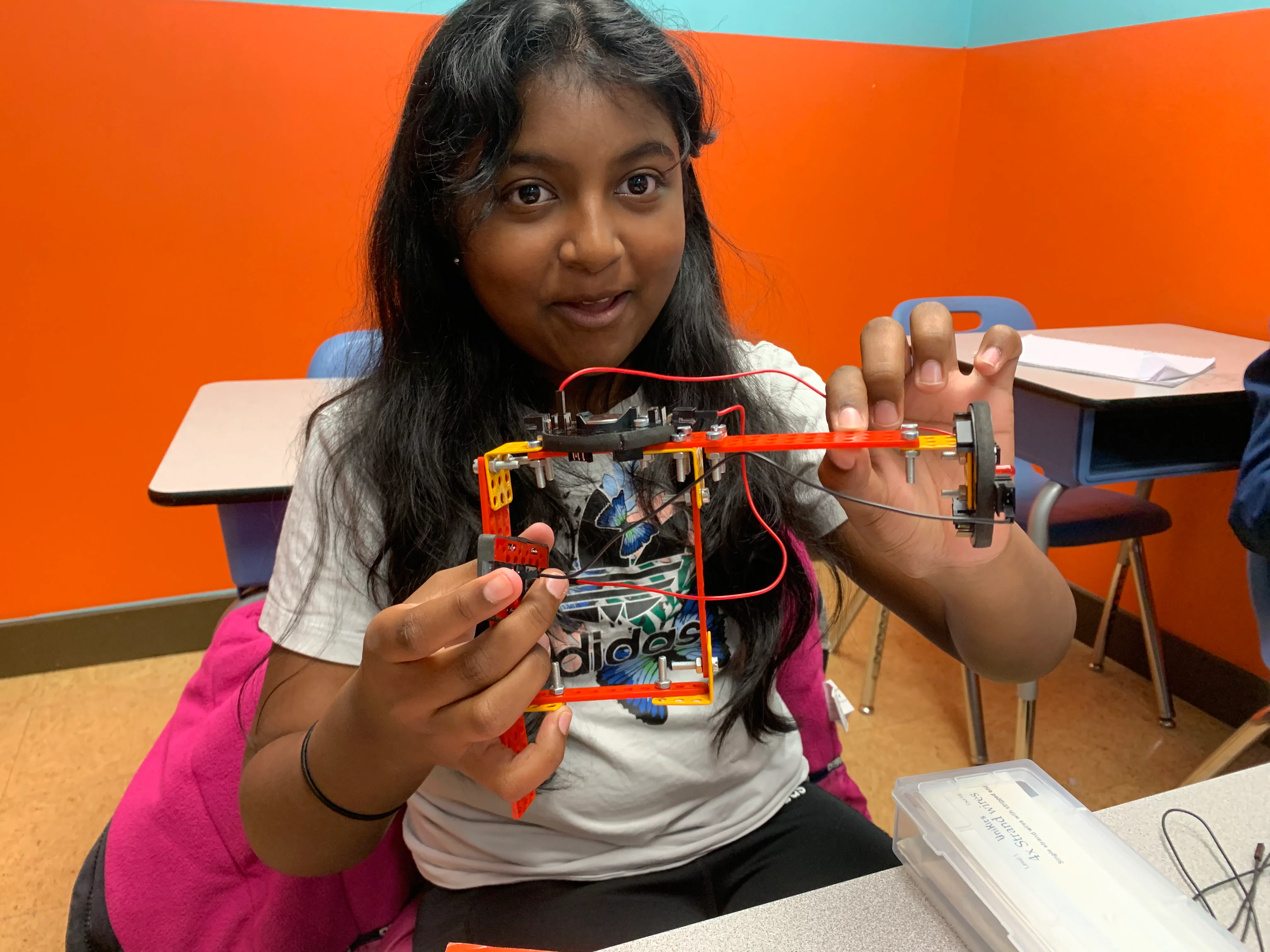
Similarly, robotics classes combine engineering, mathematics, programming, and teamwork into one engaging learning experience.
Together, these disciplines prepare children not just for technology careers—but for careers that don't even exist yet. The article on Future of Robotics and Coding Education 2026 explores how educational innovation continues shaping children's learning experiences.
Children remember experiences far longer than lectures.
When students physically assemble a robot, troubleshoot programming errors, or complete engineering challenges, they develop confidence alongside technical knowledge.
Programs like the 7 Levels of the Robotics Program gradually introduce increasingly advanced robotics concepts while keeping learning enjoyable and age-appropriate.
Instead of feeling overwhelmed, children build competence one project at a time.
This approach aligns naturally with today's Gen Alpha learning styles, where exploration leads to deeper understanding.
Many parents initially enroll children in robotics because they want them to learn programming.
What surprises them is everything else children gain.
The Coding Program for Kids helps them strengthen communication, persistence, creativity, and analytical thinking.
These experiences encourage children to:
These are exactly the future skills for kids that employers increasingly value across every profession.
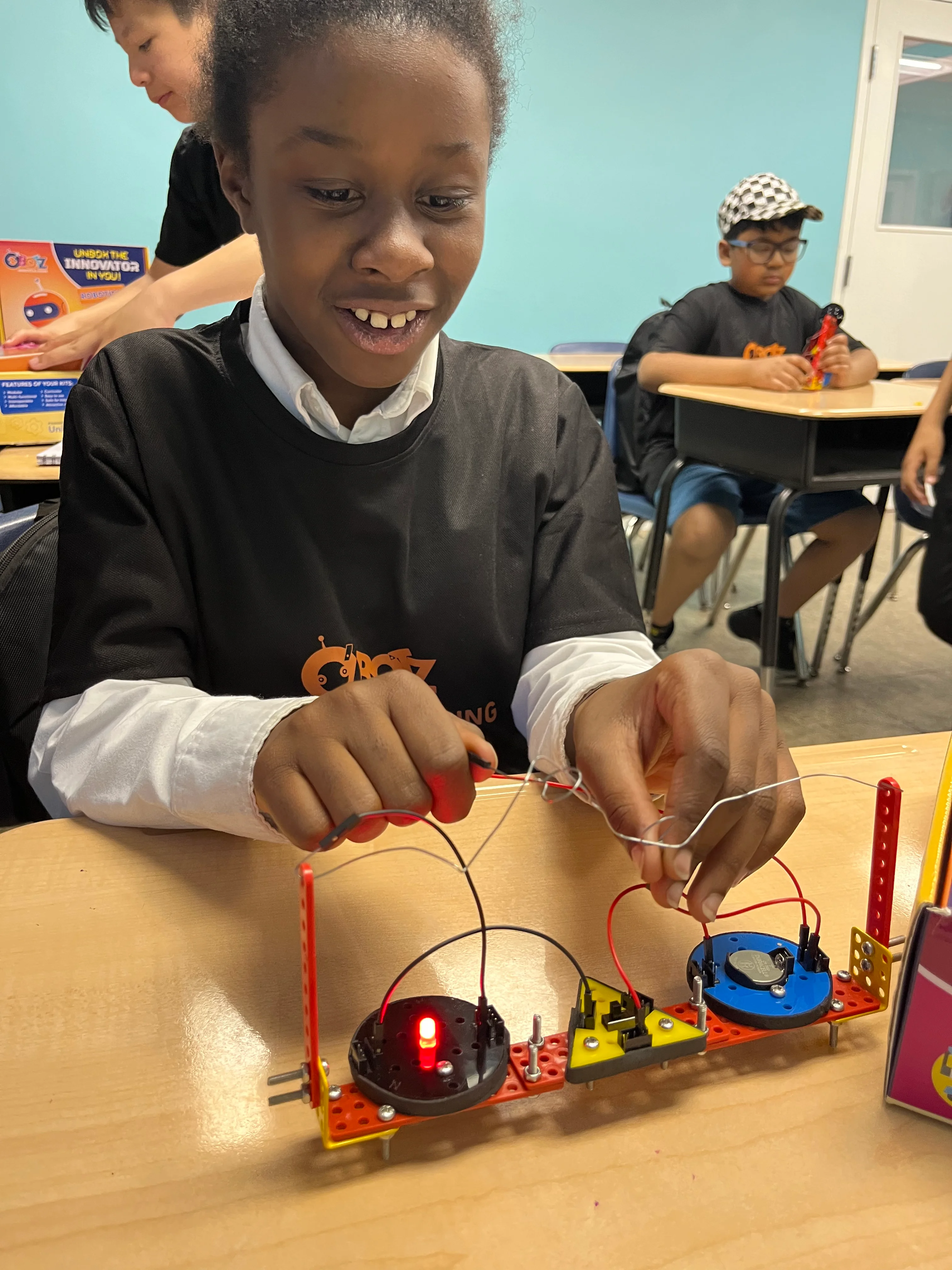
Children become significantly more engaged when they can see tangible outcomes from their work.
Rather than completing worksheets, they create robots, automate tasks, solve engineering challenges, and present completed projects.
The impressive Student Projects showcase how children apply classroom concepts to practical situations.
Project-based learning encourages ownership.
Instead of asking, "Will this be on the test?"
Children begin asking,
"What else can I build?"
That curiosity becomes one of the strongest drivers of lifelong learning.
Across the country, parents and educators increasingly recognize that STEM learning extends well beyond school science classes.
Interest continues to grow in STEM enrichment activities Canada that complement classroom education while helping children develop practical experience. This article on Gen Alpha & the AI Revolution in Robotics explains how artificial intelligence is becoming part of children's educational journey.
After-school robotics, coding clubs, engineering workshops, and innovation camps expose children to emerging technologies in exciting ways.
These opportunities give learners the confidence to experiment, collaborate, and innovate—skills that traditional classrooms often have limited time to develop.
Gen Alpha isn't difficult to teach—they simply learn differently.
Their curiosity, creativity, and comfort with technology require learning environments that are interactive, engaging, and relevant.
That's why robotics classes for children and coding experiences are becoming essential components of modern STEM education. By encouraging experimentation, collaboration, and problem-solving, these programs prepare children to thrive in a rapidly evolving world.
At OBotz, every lesson is designed to inspire curiosity while helping children build skills they'll carry into the future.
The best way to understand how Gen Alpha learns is to let them experience it.
Give your child the opportunity to build, code, create, and discover through hands-on STEM learning with OBotz. Book Your OBotz Experience today!
Gen Alpha refers to children born roughly between 2010 and the mid-2020s. They are the first generation to grow up entirely in a digitally connected world, surrounded by AI, smart devices, and interactive technology from an early age.
Gen Alpha learners respond well to visual, interactive, and hands-on experiences rather than passive instruction. They often prefer exploring concepts through experimentation, collaboration, and technology-enabled learning.
STEM education equips children with critical thinking, creativity, digital literacy, and problem-solving skills needed for a rapidly evolving world. These abilities prepare them for careers that increasingly involve technology and innovation.
Project-based learning, collaborative activities, robotics, coding, and experiential learning tend to keep Gen Alpha students highly engaged. Immediate feedback and practical application also improve understanding and long-term retention.
Robotics and coding transform abstract concepts into interactive challenges that children can see and experience. Building, programming, and testing projects makes learning enjoyable while strengthening confidence, logical thinking, and creativity.