Canada Day 2026: Raising Canada's Future Innovators

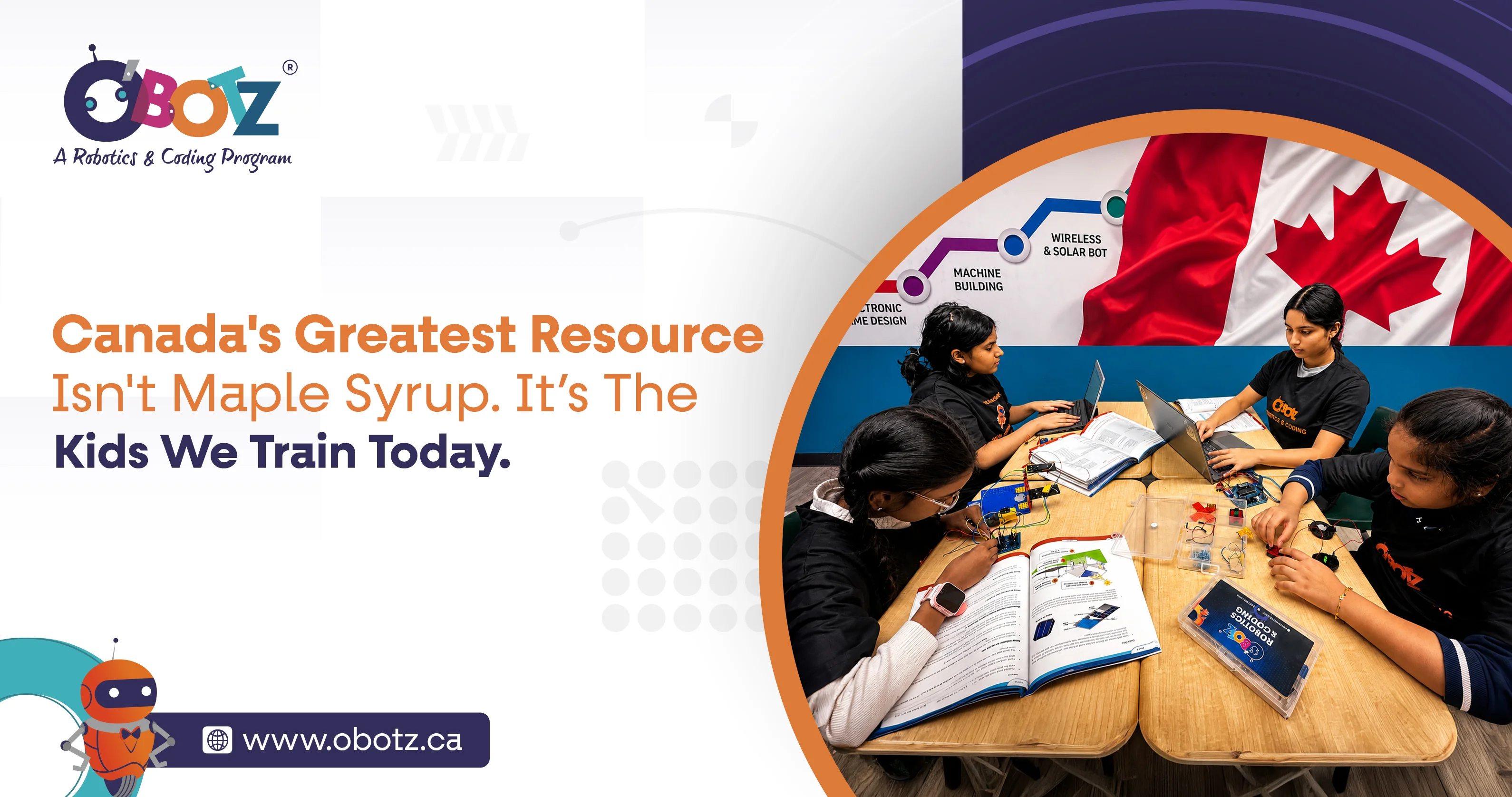
Canada Day has always been a celebration of our country's history, diversity, and achievements. But Canada Day 2026 is also the perfect opportunity to ask an important question:
What kind of Canada are today's children going to build?
The next generation will grow up in a world shaped by artificial intelligence, robotics, automation, and rapidly evolving technology. Success will depend not only on academic knowledge but also on creativity, innovation, adaptability, and critical thinking.
That is why more Canadian families are investing in robotics for kids, coding, and STEM learning experiences that prepare children for the future—not just for school.
At OBotz Canada, we believe every child has the potential to become an inventor, engineer, entrepreneur, or technology leader when given the right opportunities.
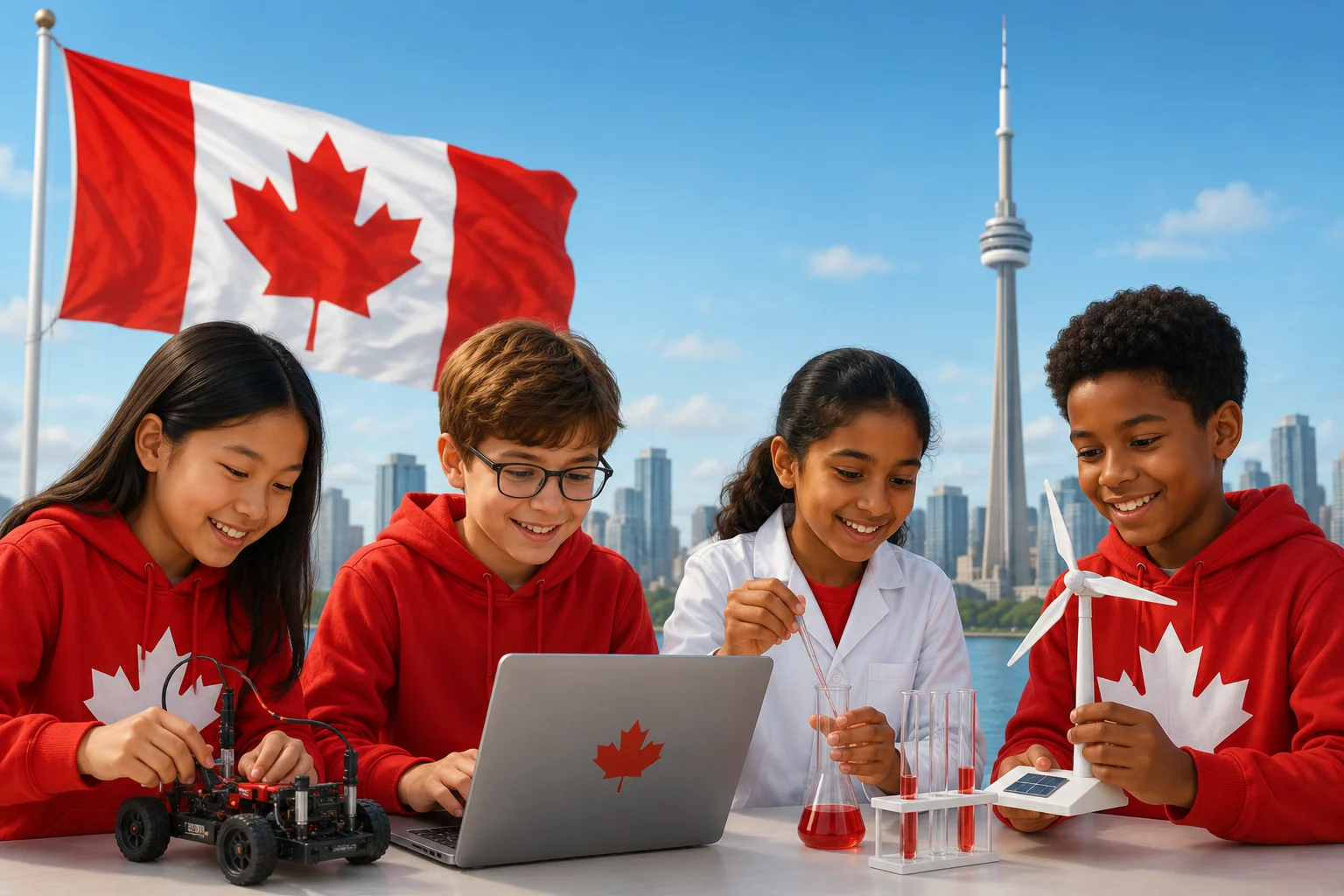
Canada has become one of the world's fastest-growing technology hubs.
From artificial intelligence research to clean technology, healthcare innovation, and advanced manufacturing, industries are changing faster than ever before. Tomorrow's workforce will need far more than textbook knowledge.
Children will need:
These are exactly the skills developed through modern technology education, where children learn by creating, experimenting, and solving real-world challenges.
Innovation isn't something children suddenly learn in high school.
It begins when they ask questions.
Programs focused on engineering for kids encourage children to explore these questions through projects rather than memorization.
Instead of simply reading about science, children build machines, test ideas, fix mistakes, and discover solutions independently.
This process develops confidence that extends far beyond the classroom.
Many parents assume robotics is only about assembling robots.
In reality, robotics programs for children combine science, mathematics, engineering, creativity, and teamwork into one engaging learning experience.
As children progress through structured activities like the 7-Level Robotics Program at OBotz Canada, they gradually learn how different technologies work together while strengthening their analytical abilities.
Children naturally develop:
These experiences also strengthen problem-solving skills, preparing students for challenges they'll encounter both inside and outside school.
Just as previous generations learned typing or computer basics, today's children benefit from learning how software works.
Well-designed coding classes for kids focus less on memorizing programming syntax and more on understanding logic.
Through the Coding Program for Kids, students learn how instructions become applications, games, and interactive projects.
Along the way, they strengthen:
These abilities help children across many school subjects—not just computer science.
Children rarely develop confidence by simply listening to lectures.
Confidence grows through experience.
That is why hands-on STEM learning has become one of the most effective educational approaches.
Instead of passively consuming information, students actively create, experiment, test, improve, and succeed through practical projects.
Parents can explore inspiring projects from OBotz students where young innovators demonstrate what they have built through guided learning.
Each completed project becomes proof that children can solve meaningful problems independently.
Artificial intelligence is no longer a future technology.
It is already influencing healthcare, banking, transportation, entertainment, manufacturing, and education.
That makes AI education for kids increasingly valuable.
Rather than fearing AI, children should understand how intelligent systems work, when they should be used responsibly, and how humans continue to contribute creativity and ethical decision-making.
Combined with robotics and coding, AI literacy helps students become creators of technology—not merely consumers.
For insights into these evolving trends, explore the Future of Robotics and Coding Education in 2026.
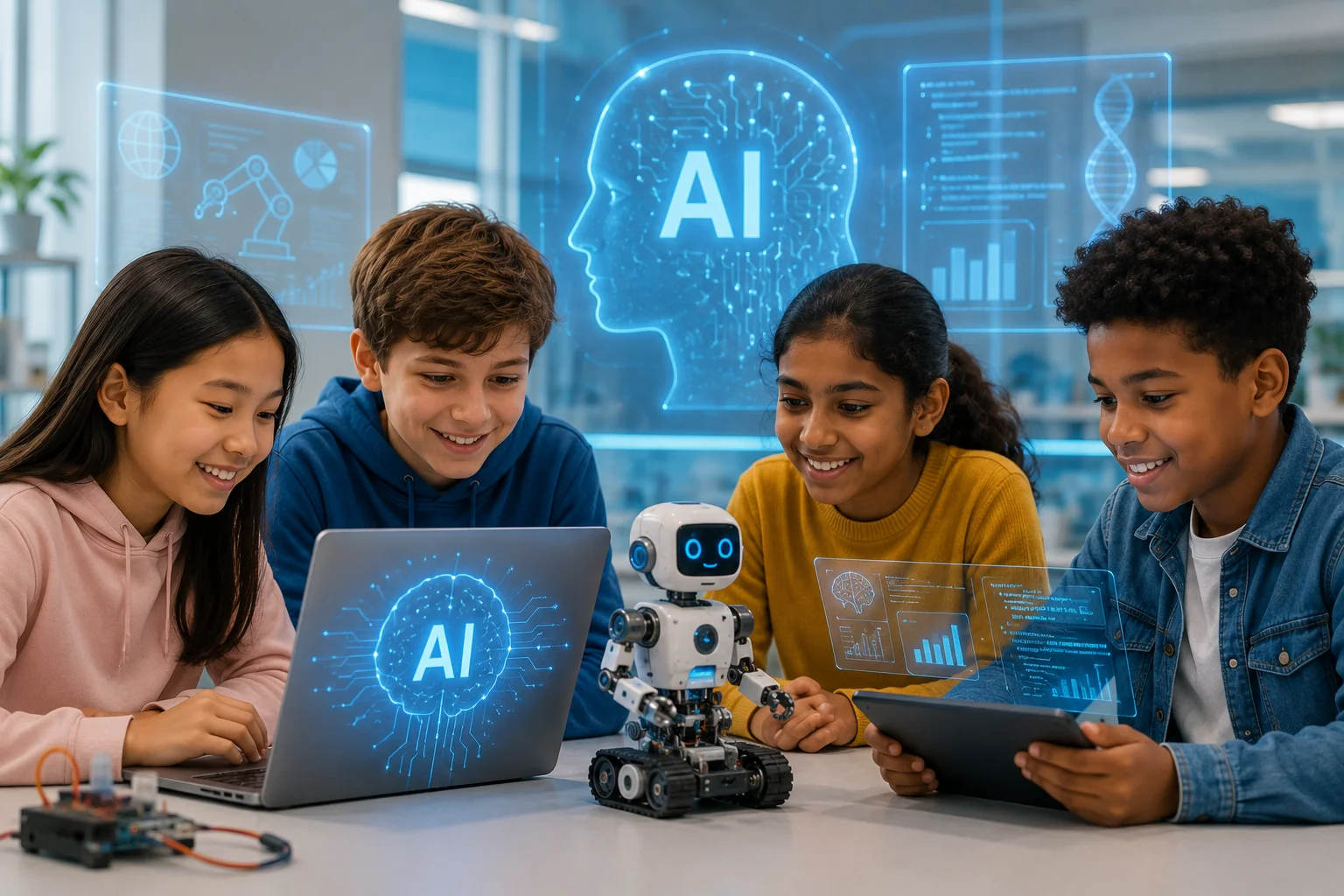
Modern education is no longer about choosing between science and creativity.
The strongest learners combine both.
Quality STEM learning encourages children to:
These experiences nurture innovation in education, where curiosity becomes the foundation for lifelong learning.
Parents searching for STEM education for elementary students in Canada increasingly recognize that practical learning experiences often complement classroom education in powerful ways.
Many careers today's children will pursue haven't even been invented.
That means preparing children isn't about teaching specific jobs.
It's about building adaptable thinkers.
Future employers will increasingly value:
Most importantly, they'll seek individuals with strong future-ready skills who can continue learning throughout their careers.
Children exposed to robotics, coding, engineering, and design challenges develop these capabilities naturally while enjoying the learning process.
Parents wondering how to prepare kids for future careers in Canada are discovering that early exposure to technology and creativity creates a strong foundation for lifelong success.
At OBotz, every lesson is designed to inspire curiosity and build confidence.
Children don't simply follow instructions.
They ask questions.
They design.
They build.
They improve.
Programs integrate coding education Canada, robotics, engineering concepts, and collaborative projects that help students strengthen both technical and interpersonal abilities.
Families interested in understanding the broader benefits can also explore How STEM Classes Improve Problem Solving Skills and learn how structured STEM experiences support children's overall development.
For parents considering their child's long-term growth, this blog on Is Your Child Ready for Future Jobs provides additional insights into the importance of early STEM education.
Whether children dream of becoming engineers, scientists, entrepreneurs, designers, or inventors, OBotz helps build the mindset needed to succeed.
Canada has always been built by innovators. Now it's our responsibility to prepare the next generation to continue that legacy.
This Canada Day 2026, celebrate more than our nation's past.
Celebrate its future.
By encouraging curiosity, creativity, innovation, and lifelong learning today, OBotz empowers children to solve tomorrow's biggest challenges with confidence.
Book an OBotz experience session and discover how engaging robotics, coding, and STEM activities can help your child develop confidence, creativity, and future-ready skills in a fun, supportive environment.
Parents can encourage early exposure to robotics, coding, STEM projects, and creative problem-solving activities. These experiences help children build technical knowledge alongside critical thinking, communication, and adaptability.
Robotics and coding teach children logical reasoning, creativity, collaboration, and resilience while introducing them to modern technologies. These skills prepare students for a rapidly evolving digital economy and support overall academic growth.
Parents can celebrate with Canada Day learning activities for kids such as building simple robots, coding games, engineering challenges, science experiments, or family STEM projects that encourage creativity and teamwork.
Robotics education encourages children to identify problems, test solutions, improve designs, and think creatively. This project-based approach helps them develop confidence while strengthening technical and innovation skills.
Children will benefit from communication, collaboration, creativity, digital literacy, critical thinking, adaptability, and innovation skills. Early STEM experiences help develop these competencies in engaging and practical ways.
Structured kids robotics classes and coding programs help children gain confidence while learning through hands-on activities. They also improve logical thinking, teamwork, perseverance, and curiosity that support success across many subjects.
OBotz combines project-based robotics, coding, engineering, and STEM learning to create engaging educational experiences. Students build real projects, collaborate with peers, strengthen their innovation skills, and become confident problem solvers prepared for future opportunities.