What New Immigrant Canadian Families Should Know About STEM Education for Their Children

Moving to Canada is an exciting milestone for many families. Along with settling into a new home, understanding healthcare, and adapting to a new culture, parents often face an important question:
How can we help our children succeed in Canada's education system and future workforce?
One answer that continues to gain attention is STEM education.
Across the country, schools, educators, and employers increasingly emphasize science, technology, engineering, and mathematics as critical areas of learning. For many newcomer families in Canada, understanding STEM can open doors to valuable learning experiences that go far beyond the classroom.
At OBotz, we work with children across Canada to help them develop practical technology skills, creativity, and confidence through hands-on learning experiences that prepare them for tomorrow's opportunities.
Canada's economy is evolving rapidly. Industries ranging from healthcare and manufacturing to finance and transportation are becoming increasingly technology-driven.
As a result, employers are looking for individuals who can solve problems, think critically, collaborate with others, and adapt to changing technologies.
This is where STEM education Canada plays a significant role.
STEM learning is not simply about becoming a scientist or software engineer. It teaches children how to:
These skills are valuable regardless of the career path a child eventually chooses.
For immigrant families, STEM learning can also help children integrate more smoothly into Canadian classrooms where project-based and inquiry-based learning are commonly used.
Many parents arriving from other countries may be familiar with traditional learning environments that emphasize memorization and examinations.
Canadian education often takes a different approach.
Students are encouraged to ask questions, explore solutions, collaborate with peers, and apply knowledge in practical situations.
This is why extracurricular learning opportunities have become increasingly popular.
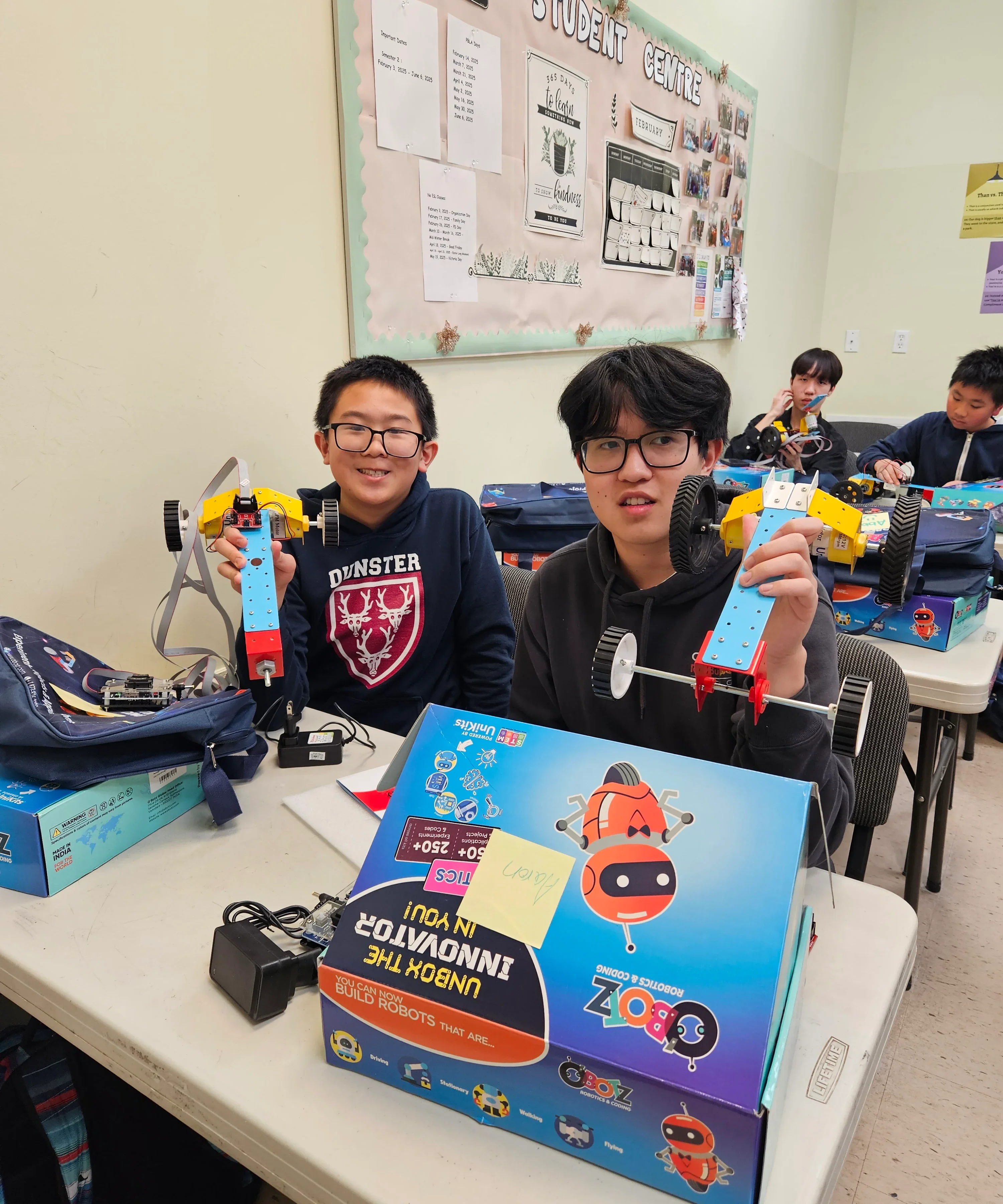
Programs focused on technology, robotics, engineering, and innovation allow children to gain hands-on experience while reinforcing classroom learning.
Parents can read this guide to understand how STEM learning supports child development and help them develop essential life skills.
Relocating to a new country can be overwhelming for children.
They may encounter:
Participating in STEM programs for kids can help ease this transition.
Hands-on projects create opportunities for children to interact with peers, collaborate on activities, and build friendships around shared interests.
When children successfully complete a robotics challenge, build a coding project, or solve an engineering problem, they experience a sense of accomplishment that boosts confidence.
This confidence often extends into academics, social interactions, and overall adjustment to life in Canada.
Many parents ask whether children should learn coding at a young age.
The answer increasingly appears to be yes.
Technology is now part of nearly every profession. Understanding how technology works gives children a significant advantage.
Modern coding classes introduce children to concepts such as:
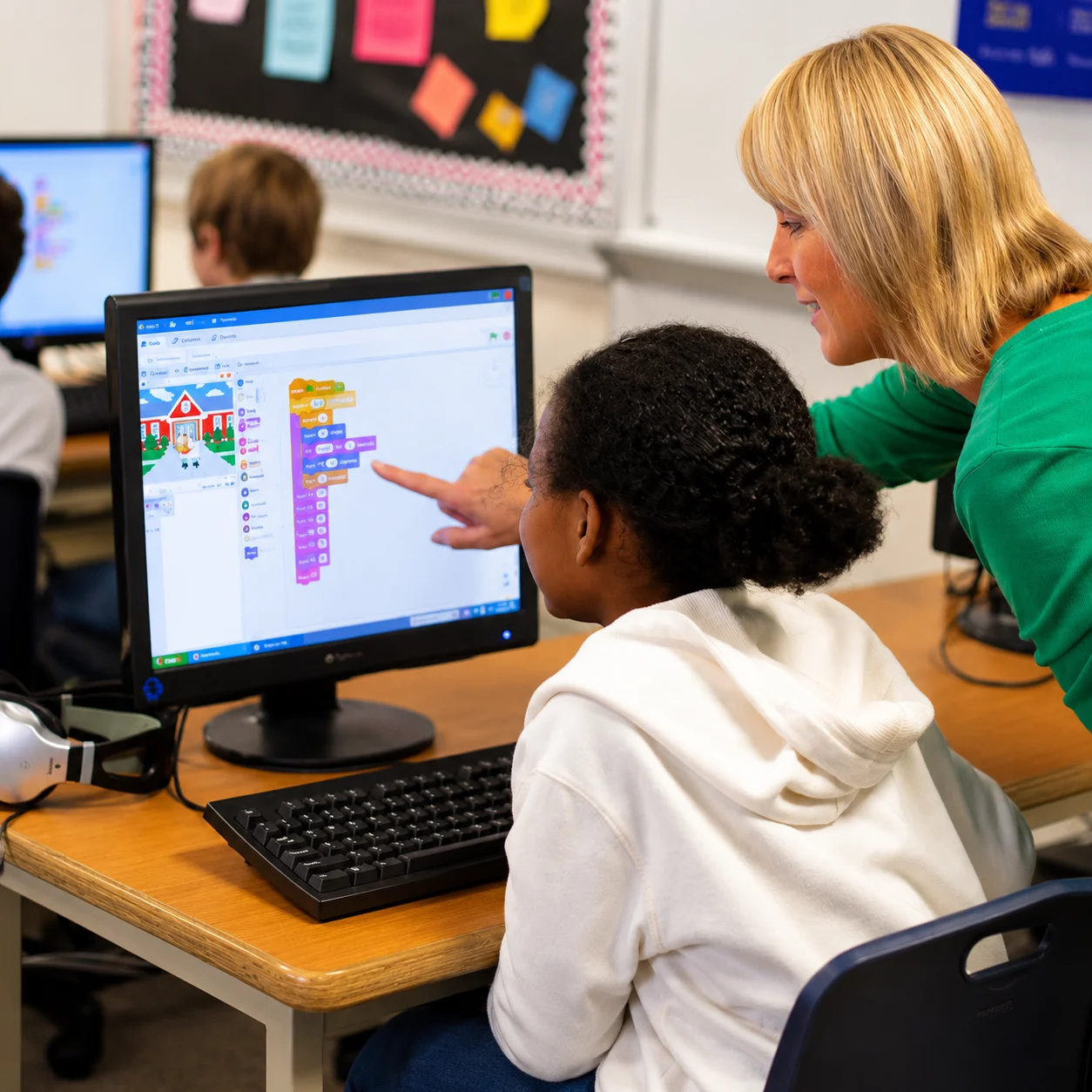
Importantly, coding education is designed to be fun and engaging.
Children learn through games, challenges, animations, and interactive projects rather than traditional lectures.
As demand grows for future skills for kids, coding is becoming one of the foundational skills educators recommend for the next generation.
While coding teaches children how software works, robotics helps them understand how technology interacts with the physical world.
Through robotics classes for children, students learn to:
Children often find robotics especially exciting because they can immediately see the results of their work.
A robot that moves, responds to commands, or completes a task provides instant feedback and motivation.
Parents interested in understanding the impact of robotics education can read how robotics and STEM education build future-ready skills in kids.
One common misconception is that STEM only benefits children interested in engineering or technology careers.
In reality, STEM skills are becoming valuable across almost every profession.
Healthcare professionals use advanced technologies.
Financial experts analyze data.
Agriculture increasingly relies on automation.
Marketing teams use artificial intelligence and analytics.
Even creative industries now integrate digital tools into daily work.
As discussions around AI education for children continue to grow, helping children understand technology from an early age may better prepare them for future career opportunities.
This doesn't mean every child must become a programmer.
It means every child can benefit from understanding how technology influences the world around them.
The good news is that STEM development does not require expensive equipment or advanced technical knowledge.
Parents can support learning by:
Parents looking for additional ideas can explore these practical ways to spark children's interest in STEM naturally.
One of the advantages of living in Canada is the growing availability of STEM programs.
Children can access learning opportunities through:
These programs exist in large cities as well as many smaller communities, making STEM learning more accessible than ever.
For many immigrant parents, these opportunities represent an important part of helping children build both academic confidence and practical skills.
Moving to a new country comes with challenges, but it also comes with incredible possibilities.
Canada offers children access to innovative educational experiences that encourage creativity, exploration, and lifelong learning.
By introducing children to STEM early, parents can help them develop confidence, adaptability, and problem-solving skills that will serve them well throughout school and beyond.
The best way to understand the impact of STEM education and introduce it to your child is to experience it firsthand.
Visit OBotz to discover engaging programs designed to help children build confidence, creativity, and future-ready skills through hands-on learning.
Or Book Your OBotz Experience Session, where they can explore coding, robotics, innovation, and problem-solving in a fun and supportive environment.
STEM education combines science, technology, engineering, and mathematics through practical, hands-on learning experiences. Canadian STEM programs focus on helping students develop problem-solving, creativity, collaboration, and critical thinking skills.
STEM learning helps children adapt to Canada's education system while building skills that are highly valued in future careers. It also provides opportunities for newcomer children to gain confidence and connect with peers through collaborative activities.
Newcomer families can find STEM opportunities through schools, community organizations, after-school programs, enrichment centers, and online platforms. Many programs are designed to be welcoming and accessible to children from diverse backgrounds.
Robotics and coding help children strengthen logical thinking, creativity, teamwork, and problem-solving abilities. They also encourage children to become creators of technology rather than simply consumers.
Yes. STEM programs are available in most major Canadian cities and many smaller communities. Families can choose from in-person programs, camps, workshops, and online learning opportunities depending on their location and needs.