Back-to-School 2026: Why Families Are Choosing OBotz STEM Programs

Every September brings excitement. New backpacks, fresh notebooks, new teachers, and the promise of another school year. But in 2026, many Canadian parents are thinking beyond classroom grades.
They are asking a different question:
"What skills will my child need five or ten years from now?"
Technology is evolving faster than ever before. Artificial Intelligence is becoming part of everyday life. Automation is changing careers. Problem-solving, creativity, computational thinking, and innovation are becoming just as important as traditional academics.
This is exactly why more families are turning to OBotz STEM programs alongside regular schooling. Rather than replacing academics, these programs complement classroom learning by helping children develop practical skills that prepare them for an increasingly technology-driven world.
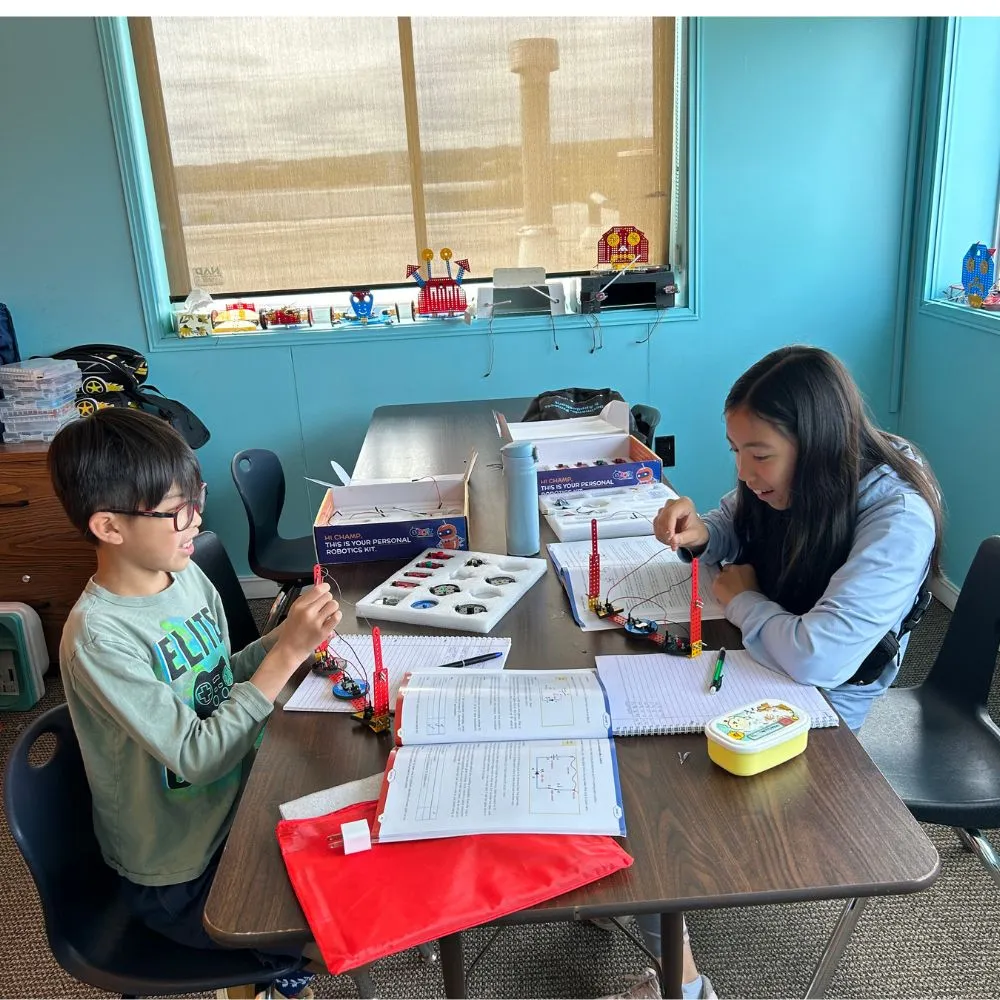
School education continues to build strong academic foundations. However, parents are realizing that future success depends on much more than report cards.
Employers are already prioritizing skills like:
These abilities cannot always be developed through textbooks alone.
This growing awareness has led to a significant rise in demand for STEM enrichment programs that expose children to hands-on learning experiences while they are still young.
Instead of simply asking, "How are my child's grades?"
Parents are now asking,
"Can my child solve problems independently?"
"Can they build something?"
"Can they think like an innovator?"
Parents want learning environments where children actively create rather than passively consume information.
That's where OBotz STEM programs make a meaningful difference.
Children don't spend hours memorizing concepts. Instead, they:
This approach naturally develops curiosity while making learning exciting.
Unlike many traditional activities, STEM education encourages children to ask questions instead of simply finding answers.
Many parents searching for robotics classes for kids initially believe robotics is only about building machines.
The reality is much broader.
Every robotics project introduces children to:
Each challenge requires children to plan, predict, test, observe, and improve.
These experiences help children become confident learners who are comfortable tackling unfamiliar problems.
As technology becomes part of every profession, robotics provides one of the strongest foundations for future learning.
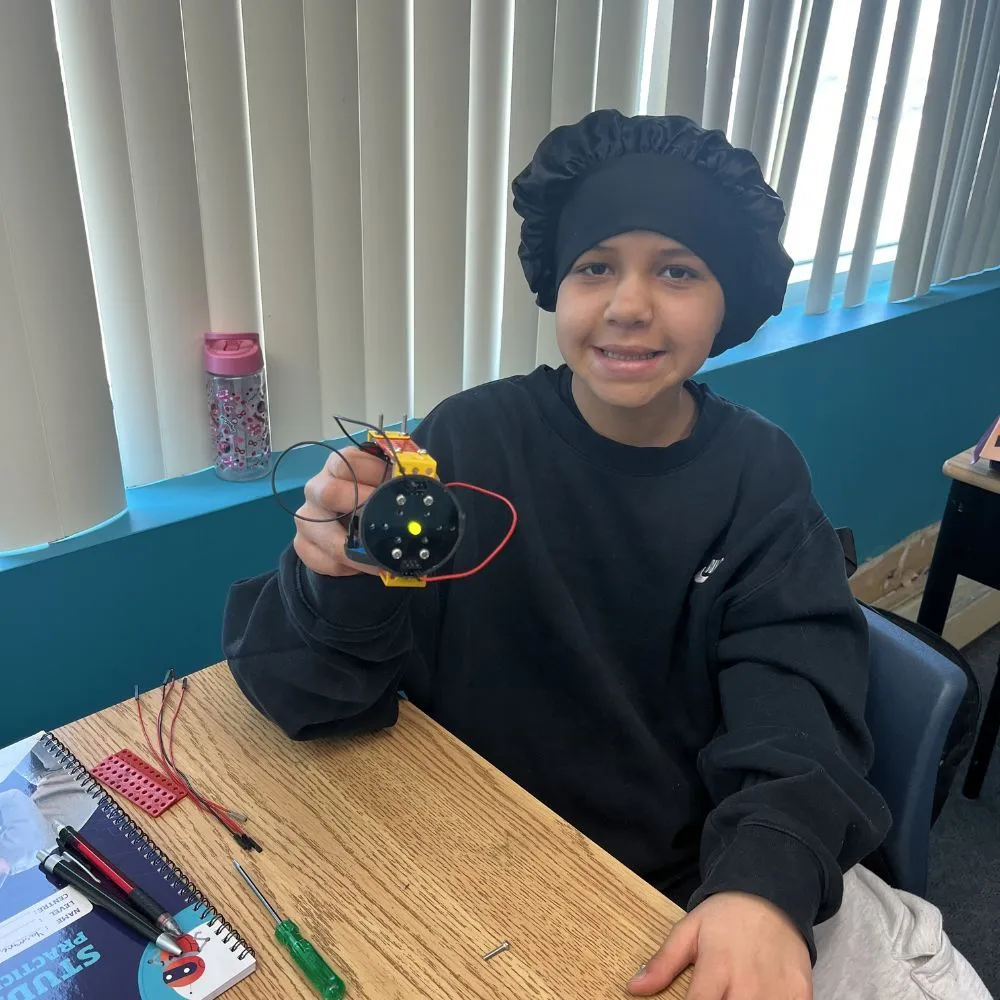
Reading and writing remain essential.
But coding is quickly becoming another language that helps children understand how technology works.
Parents searching for coding classes near me are no longer doing so because they expect their children to become software engineers.
Instead, they understand coding teaches something much bigger:
Children learn that mistakes are simply opportunities to improve their solutions.
These habits often carry into mathematics, science, and even everyday decision-making.
If you've wondered why coding matters before middle school, this article explains Why children should learn coding before age 12.
Many parents worry that extracurricular activities may increase pressure on children.
Quality STEM education does exactly the opposite.
Instead of additional homework, children experience practical learning through projects, experiments, and collaborative activities.
This makes concepts learned in school feel meaningful because students can immediately apply them.
Today's after school STEM programs help reinforce:
Children often return to school with greater enthusiasm because they begin connecting classroom concepts with real-world applications.
Artificial Intelligence is changing nearly every industry.
While AI can automate repetitive tasks, it still depends on human creativity, innovation, ethical thinking, and collaboration.
These are exactly the skills children develop through robotics and coding classes.
Rather than teaching children to compete against technology, STEM education teaches them how to work alongside it.
If you'd like to understand the skills experts believe children need in the coming years, explore the Future skills children need in the AI world.
Across Canada, conversations around education are changing.
Parents increasingly recognize that report cards measure academic achievement, but they don't always capture creativity, innovation, collaboration, or resilience.
This shift explains why STEM programs for kids Canada continue attracting growing interest among families seeking balanced development.
Many parents want their children to:
These qualities often stay with children long after individual school subjects have changed.
An interesting perspective on this changing educational landscape can be found here: "Why Canadian report cards miss important future skills".
One reason children enjoy OBotz is that learning doesn't feel like another classroom.
Students experiment.
They collaborate.
They build.
They test.
They celebrate successes.
They learn from failures.
This project-based approach naturally keeps children engaged while developing skills they will continue using throughout their education.
Even children who initially feel hesitant often discover confidence after completing their first successful robotics or coding project.
Not every STEM program offers the same learning experience.
When evaluating options, parents should consider:
Programs should challenge children while making learning enjoyable.
Whether parents are searching for robotics classes near me, exploring coding camp Canada opportunities, or comparing local enrichment options, choosing a structured program with experienced mentors can make a lasting difference.
School prepares children academically.
STEM prepares them for life.
The confidence gained from building something independently, solving a difficult problem, or successfully programming a robot often extends far beyond technology itself.
Children become more willing to ask questions.
More comfortable trying new ideas.
More confident solving challenges independently.
These qualities benefit them across every subject and eventually throughout their careers.
As education continues evolving, more Canadian families are recognizing that investing in future-ready learning today creates opportunities tomorrow.
Back-to-school season is the perfect opportunity to think beyond this year's curriculum.
Help your child build confidence, creativity, problem-solving abilities, and digital skills through engaging STEM learning experiences.
Explore OBotz STEM learning programs in Canada and discover how interactive robotics and coding can complement your child's education. Ready to experience it firsthand? Book an OBotz STEM experience today and see how learning can become an adventure.
OBotz combines hands-on robotics, coding, engineering, and problem-solving into engaging learning experiences designed specifically for children. The focus is on building practical skills through projects rather than memorizing concepts.
Parents recognize that future careers require creativity, critical thinking, and digital literacy alongside academic knowledge. STEM programs help children develop these essential skills while making learning enjoyable and interactive.
Robotics classes help children strengthen logical thinking, teamwork, creativity, engineering concepts, communication, and resilience. They also learn to test ideas, solve problems, and improve through experimentation.
Coding encourages structured thinking, attention to detail, and logical reasoning, which can support subjects like mathematics and science. It also teaches perseverance by helping children understand that mistakes are part of the learning process.
Yes. OBotz programs are designed for learners at different experience levels, including complete beginners. Children progress step by step in a supportive environment that encourages curiosity, creativity, and confidence.