Why Kids Learn Faster Through Robotics & Coding Projects

In many traditional classrooms, children learn concepts through textbooks, worksheets, and lectures — but real understanding often happens when theory turns into action. That’s why robotics and coding projects for kids are becoming such a powerful part of modern STEM education. Instead of just learning what to do, children learn how to think, build, and solve problems.
Programs like OBotz focus heavily on project-based learning because hands-on experiences help young learners connect logic, creativity, and real-world application. When children design robots, write code, and test ideas through guided projects, they move beyond memorization into meaningful skill development that lasts far beyond the classroom.
Let’s explore why hands-on robotics and coding projects help children understand STEM concepts faster while developing creativity, logic, and confidence.
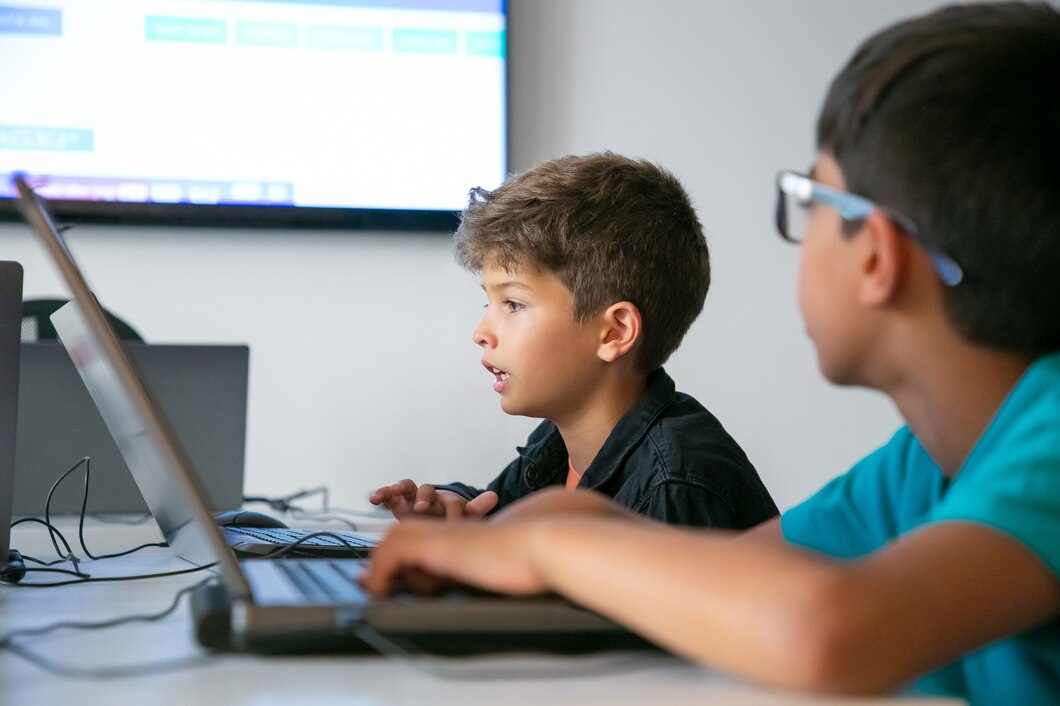
Many students understand coding syntax or robotics concepts in theory, but struggle to apply them in real situations. This gap often happens because traditional learning focuses on correct answers rather than problem-solving processes.
Project-based STEM learning changes this dynamic. Instead of following step-by-step instructions, students explore challenges such as:
This shift from passive learning to applied exploration helps children develop deeper confidence and understanding.
Project-based STEM learning is an approach where students learn concepts by working on real tasks or challenges. Rather than separating coding, engineering, and creativity, projects bring these skills together in one meaningful experience.
Key characteristics include:
Applied robotics education encourages students to think like innovators — asking questions, making predictions, and adapting their ideas based on results.
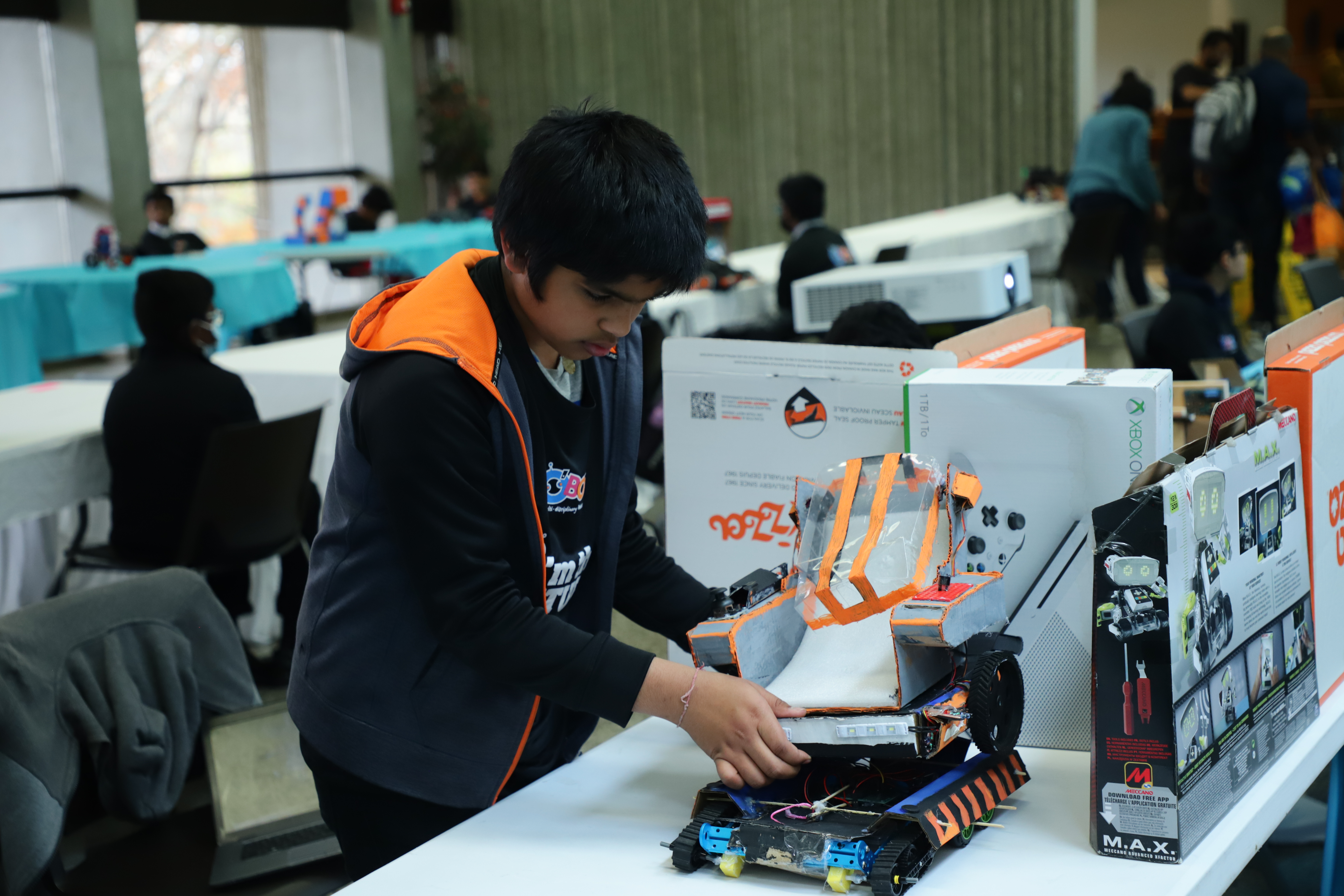
One of the biggest advantages of robotics and coding projects is their connection to real-life applications. Children quickly see how technology solves everyday challenges.
|
Project Type |
What They Build & Explore |
Skills Developed |
|
Autonomous Navigation |
Robots that use sensors to follow lines, avoid obstacles, or navigate a maze. This simulates self-driving cars and warehouse automation. |
The "Logic" Hub: Algorithm design, sensor integration, and real-time debugging. |
|
Game Development |
Creating interactive digital worlds where code controls character actions, physics, and game outcomes. |
The "Creative" Hub: Sequential thinking, storytelling, and user-experience logic. |
|
Smart Environments |
Systems that react to external triggers like light, motion, or sound (e.g., automated nightlights or alarm systems). |
The "Systems" Hub: Analytical reasoning, systems thinking, and complex cause-and-effect. |
Hands-on STEM activities do more than teach technical skills. They shape how children think, collaborate, and approach challenges.
Coding practical skills require children to break complex problems into smaller steps — a key foundation for analytical thinking.
Projects allow students to experiment with different solutions, encouraging original ideas and imaginative design.
Many robotics activities involve group collaboration, helping children learn how to share ideas and work toward common goals — an approach strongly emphasized
When projects don’t work as expected, students learn to debug, rethink strategies, and persist — essential life skills that extend beyond STEM fields.
Project-based robotics learning isn’t just about fun activities — it builds a foundation for future academic success and career readiness.
Children who participate in applied robotics education often:
Prepare learners for a future where creativity and technical literacy go hand in hand. Whether students pursue engineering, design, or entrepreneurship, the skills learned through robotics and coding projects remain valuable.
Research consistently shows that students remember concepts better when they apply them through hands-on experiences. When children build a robot or create a coding project, they:
Guided projects help reinforce learning by encouraging experimentation and reflection — ensuring that skills aren’t just learned for a lesson but retained for future challenges.
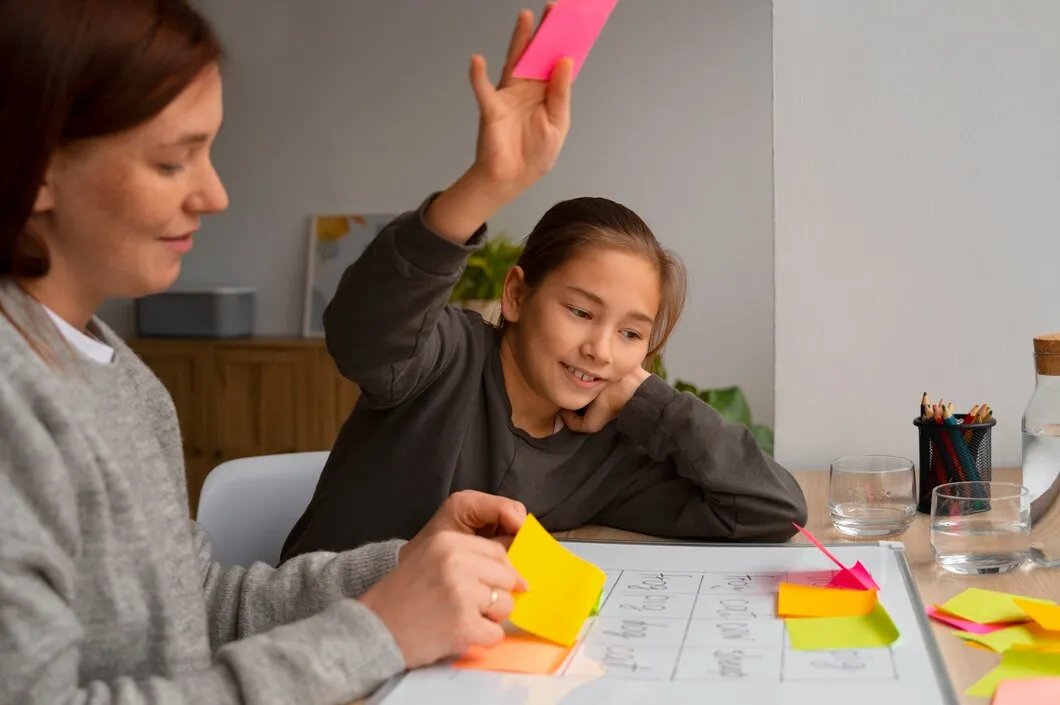
Parents today are looking for learning experiences that go beyond grades and exams. Project-based STEM programs offer:
Families who enroll in programs like OBotz often notice improvements in focus, confidence, and independent thinking qualities that benefit children both academically and personally.
for young learners. The OBotz Nano program, designed for children aged 6+, introduces STEM through hands-on robotics building and real-world problem-solving challenges. It’s a fun and engaging way for kids to spark curiosity, develop creativity, and build early skills for the future.
The shift from theory to application is reshaping how children experience STEM education. Robotics and coding projects allow young learners to experiment, innovate, and grow through real challenges, turning knowledge into practical skills.
If you’re looking for a program that blends project-based STEM learning with structured mentorship, OBotz offers hands-on robotics and coding experiences designed to help children think creatively, solve problems confidently, and prepare for a future driven by innovation.
Book a Trial Robotics & Coding Class at OBotz Today.
It allows children to apply concepts through hands-on activities, making learning more engaging and improving understanding and retention.
Students analyze problems, test solutions, and refine their work — building analytical and decision-making abilities.
Children can explore real-world concepts like robot automation, sensors, circuits, motion systems, and machine control by building and programming their own robotic models. These projects help them understand how technology works in everyday machines and smart systems.
Logical thinking, creativity, teamwork, resilience, communication, and coding practical skills.
Look for structured curriculum, mentor guidance, real-world projects, and balanced learning — like the project-based approach followed at OBotz.