How to Choose the Best Coding and AI Classes Near Me for My Child

If you’ve recently searched for coding and AI classes near me, you’re not alone. Parents everywhere are realizing that the world their children are growing into looks very different from the one we grew up in. Artificial intelligence powers search engines, robots assist in surgeries, and automation is reshaping industries at lightning speed.
That’s exactly why programs like OBotz are gaining attention. They don’t just teach kids how to code—they teach them how to think, build, and innovate.
Technology is no longer “extra.” It’s foundational. Whether your child dreams of becoming a doctor, entrepreneur, engineer, or designer, understanding how technology works gives them an edge.
The future isn’t about memorizing answers—it’s about solving problems. And that’s where STEM classes for kids step in. They nurture adaptability, logic, and creative thinking in a world that’s constantly evolving.
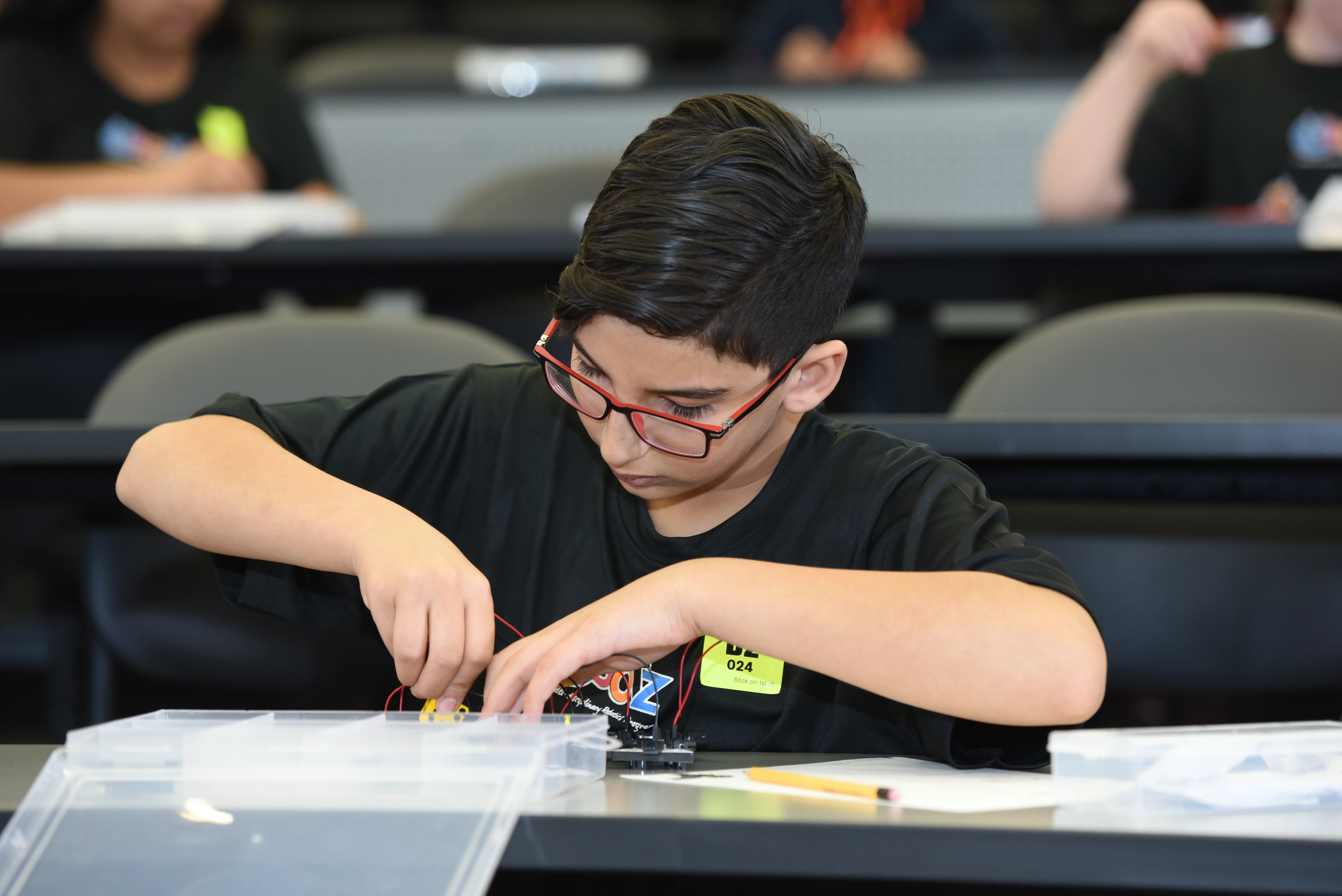
When parents hear “coding classes for kids,” they often imagine screens filled with complicated symbols. But coding is really about structured thinking.
It teaches children:
In other words, coding builds resilience. And resilience? That’s a life skill.
AI is no longer futuristic—it’s present. From voice assistants to recommendation engines, AI surrounds our children daily.
Early AI learning for children helps them:
Instead of passively consuming technology, they become creators.
Before enrolling in any coding and AI classes near me, pause. The right program starts with your child—not the curriculum brochure.
A five-year-old doesn’t need Python. And a 14-year-old might feel bored with drag-and-drop blocks.
The best coding classes for kids are the ones that grow with your child, not overwhelm them.
Is your child completely new to coding? Or have they already built small games?
Look for structured levels. Strong programs clearly outline progression—from basic logic to advanced robotics and AI models. Growth should feel natural and motivating.
Some kids love gaming. Others love building things. Some are curious about how robots move.
Great robotics classes for kids tap into curiosity. If your child enjoys hands-on building, robotics may spark more excitement than purely screen-based coding.
And if your child keeps asking how ChatGPT or YouTube recommendations work? That curiosity is the perfect entry point into AI learning.
Here’s the truth: not all coding and AI classes near me offer the same depth. Some focus only on basic coding. Others go broader.
A balanced curriculum matters.
Strong programs introduce logical sequencing, algorithms, and structured problem-solving.
Kids should:
The goal isn’t memorization—it’s application.
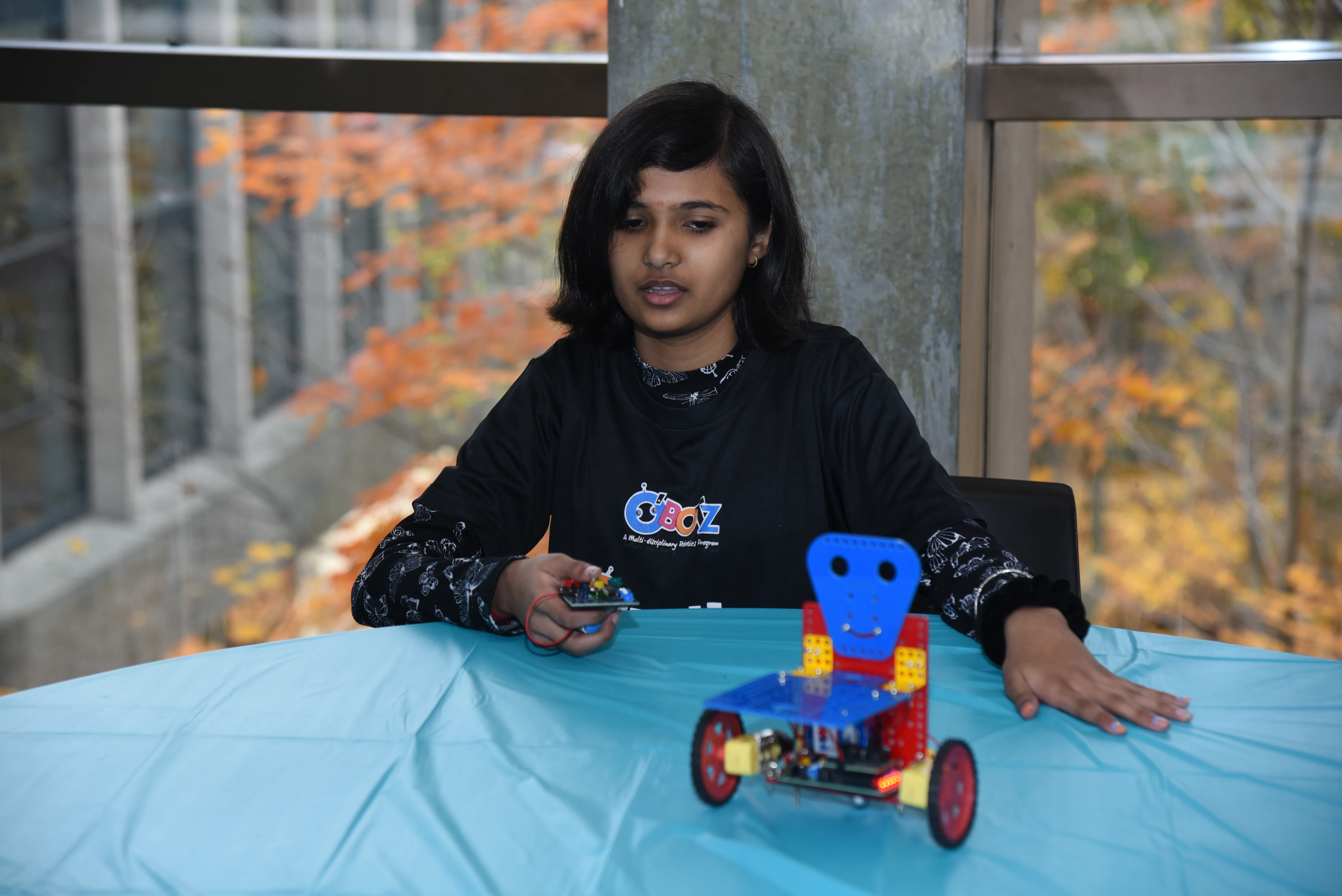
This is where learning becomes tangible. In good robotics classes for kids, children build, test, and experiment.
They work with:
That hands-on approach transforms abstract coding into real-world action. You can see examples of what children actually build by exploring real student projects.
When kids see what’s possible, motivation skyrockets.
AI doesn’t have to be complex to be powerful.
Programs that offer structured AI learning for children simplify big ideas like:
These lessons build digital awareness and responsibility.
Children learn best by doing.
Look for programs where:
If a class feels like a lecture, it’s probably not engaging enough.
Curriculum matters. But delivery? That’s everything.
An instructor teaching STEM classes for kids should:
Teaching kids is different from teaching adults. It requires empathy.
Does the class encourage questions? Are mistakes welcomed as learning opportunities?
In coding classes for kids, children should feel safe experimenting. They shouldn’t be afraid to make mistakes and should be excited to try again.
Smaller batches mean more personalized support. When instructors notice individual strengths and challenges, children grow faster.
Some children thrive in physical labs. Others do well online. Programs that offer both options give families flexibility. If you're exploring structured learning in schools, you can see how OBotz integrates into classrooms and makes coding and robotics a part and parcel of your child’s life.
Now that you know what to look for, let’s talk about what makes OBotz stand out.
OBotz designs programs that progress logically—from beginner coding to advanced robotics and AI exploration.
Children don’t feel rushed. They feel guided.
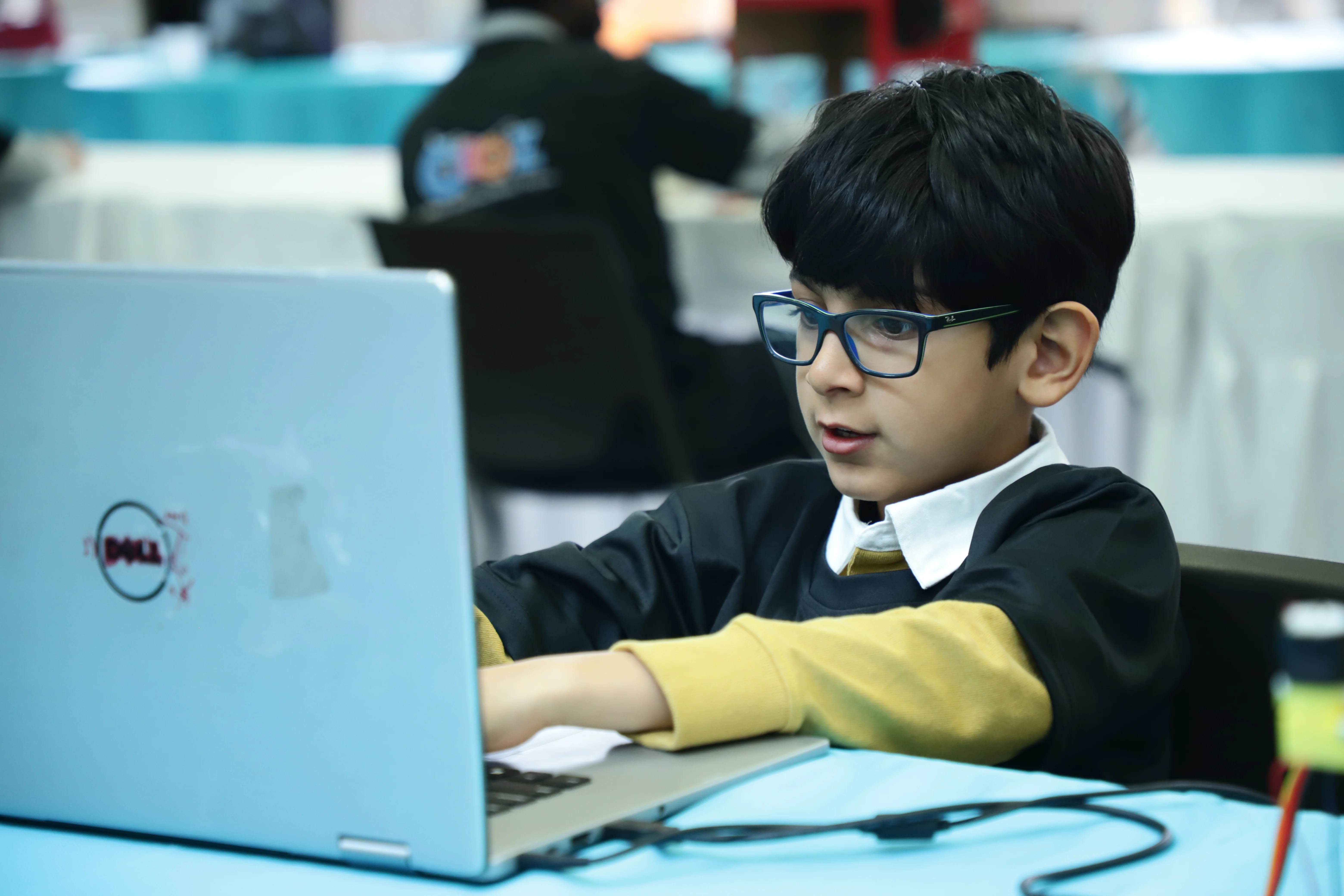
OBotz blends coding, robotics, and AI learning for children in a balanced way. Kids don’t just watch—they build.
They experiment. They test. They improve.
Beyond technical skills, OBotz sparks long-term motivation in STEM by nurturing creativity and teamwork. Children present ideas, collaborate on projects, and gain confidence in expressing solutions.
If you’re searching for coding and AI classes near me, location matters too. You can easily find an OBotz center near you through this official locator.
Choosing between multiple coding and AI classes near me can feel overwhelming. But the decision doesn’t have to be complicated.
Here are some questions that you must ask yourself before enrolling
If the answers excite you—and your child—you’re on the right track.
The best coding classes for kids don’t just teach tools.
They shape mindsets and build curiosity, confidence, and capabilities in children that truly matter in today’s world.
If you’re ready to move from searching coding and AI classes near me to giving your child a transformative learning experience, it’s time to take the next step.
Book an experience session with OBotz today and see the difference yourself
Children can begin basic coding and logic-based STEM programs as early as 5–6 years old, with more advanced robotics and AI concepts introduced gradually as they grow.
No, well-designed coding classes for kids start with simple, visual programming tools and progressively build toward more complex skills at a comfortable pace.
Robotics classes improve problem-solving, teamwork, critical thinking, and resilience by encouraging hands-on experimentation and real-world application.
AI learning for children typically introduces simplified concepts like machine learning, pattern recognition, and ethical technology use through interactive, age-appropriate projects.
Look for structured progression, qualified instructors, hands-on project-based learning, and a curriculum that balances coding, robotics, and AI in an engaging way.