The Hidden Science of Virtual Play: How Online Robots Teach Real-World Grit

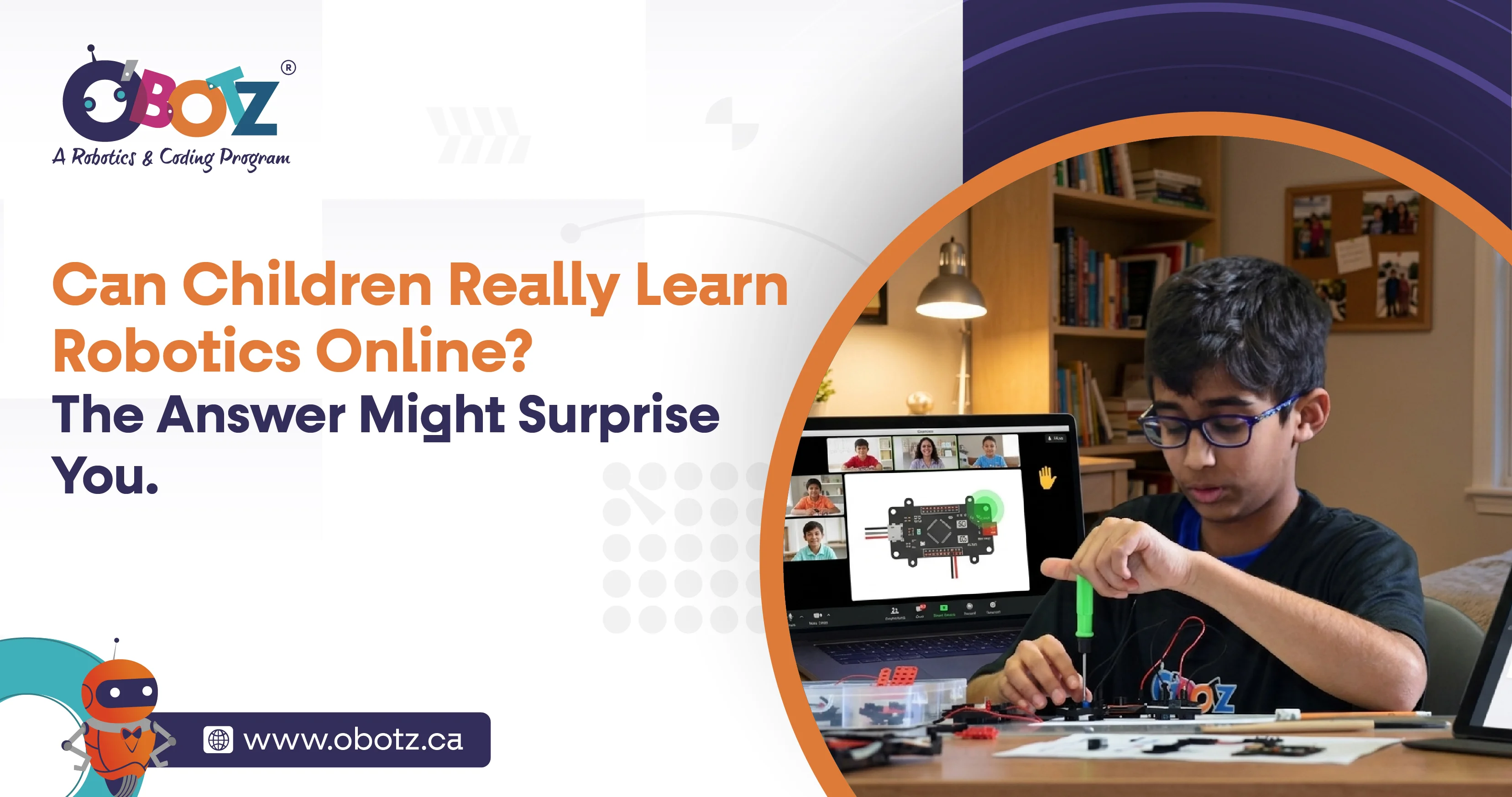
Not long ago, robotics felt like something reserved for science labs and advanced classrooms. Today, children are building, coding, and solving engineering challenges right from their homes — and they’re loving it. The growth of virtual robotics classes for kids has opened doors for young learners to explore creativity, logic, and real-world problem-solving in ways that feel more like play than study.
Programs like OBotz, a comprehensive robotics & coding program for kids, are helping redefine how robotics is taught online by combining interactive simulations with guided mentorship so children don’t just learn technology—they learn how to think. As families explore online robotics learning and remote STEM education, the focus is shifting from memorizing concepts to building skills that prepare kids for the future.
Over the past decade, STEM education has evolved from textbook-based lessons to immersive digital learning experiences. Online platforms now allow kids to build robots virtually, test algorithms, and collaborate with peers globally, all without needing a physical classroom. Parents are increasingly choosing coding classes online and robotics programs because they:
Virtual robotics education isn’t just about coding; it’s about teaching kids how to analyze problems, test solutions, and adapt — skills that apply far beyond robotics.
1. Real-Time Simulations
Students can program robots and instantly see how their code affects movement, sensors, or decision-making. At OBotz, these simulations help learners understand cause and effect while building confidence through experimentation.
2. Gamified Challenges
Many platforms introduce missions — such as navigating a maze or completing tasks — encouraging kids to experiment and iterate. OBotz integrates similar challenge-based learning to make problem-solving feel exciting and goal-driven.
3. Collaborative Projects
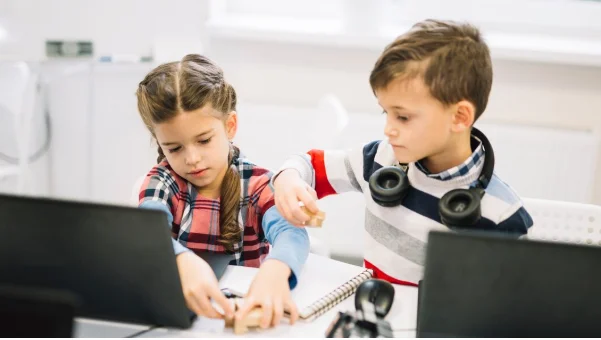
Group activities help children of any age group to learn teamwork, communication, and shared problem-solving strategies. Through guided collaboration at OBotz, students experience how real-world engineering often involves working together to refine ideas.
These elements make online robotics learning more than a technical course; they transform it into an immersive, creative experience that strengthens logical thinking while keeping children motivated throughout their virtual robotics journey.
The biggest benefit of virtual robotics classes for kids is their focus on developing transferable skills. While students may start by coding simple movements, they gradually learn to approach challenges like real engineers.
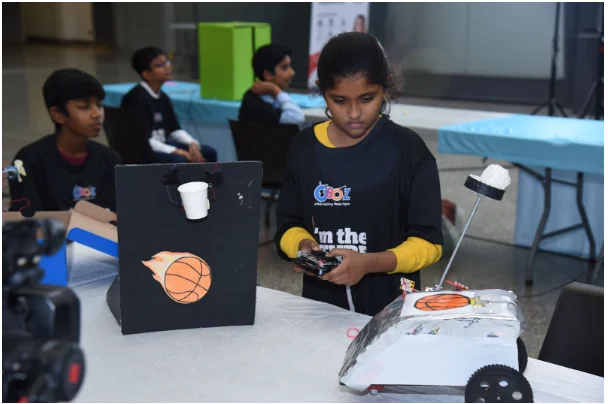
Students must identify why a robot fails a task — is it the code, the sensor logic, or the design? This encourages analytical thinking and structured reasoning.
Virtual robotics challenges rarely have only one correct answer. Kids explore multiple solutions, fostering creativity and innovation.
When programs don’t work as expected, students learn to debug and refine their ideas. This builds patience and resilience — essential real-world traits.
Robotics combines hardware logic, software programming, and design thinking. Children learn how different components interact, preparing them for complex real-world challenges.
These skills extend beyond STEM fields. Whether a child becomes an engineer, artist, or entrepreneur, the ability to break down problems and test solutions is invaluable.
Virtual robotics programs often simulate real scenarios that mirror professional engineering tasks. Some examples include:
By working through these projects, children learn how technology solves real problems — from healthcare automation to environmental monitoring.
This hands-on approach makes remote STEM education feel practical rather than theoretical. Kids don’t just memorize concepts; they apply them in meaningful ways.
Many parents wonder whether virtual classes can truly replace in-person experiences. While physical robotics has benefits, virtual programs offer unique advantages that support modern learning needs.
Virtual platforms simulate real robotics workflows, allowing kids to experiment freely. Many programs also integrate optional physical kits later on, combining digital and tangible learning.
Quality programs focus on active participation rather than passive watching. Kids spend time building, coding, and solving challenges — not just staring at videos.
Most coding classes online start with beginner-friendly modules. Step-by-step lessons introduce concepts gradually, ensuring students build confidence along the way.
Parents often find that virtual robotics classes encourage independence and curiosity — two qualities that help children succeed academically and personally.
The Goal |
OBotz In-Person Classes |
OBotz Virtual Classes |
The Result for Your Child |
Mentorship |
Face-to-face guidance and real-time "over-the-shoulder" support. |
Interactive, live sessions with expert mentors in a digital lab. |
Expert Support: Your child is never learning alone. |
Hands-On Learning |
Tactile assembly of physical robotics kits and components. |
Advanced 3D simulations and virtual physics engines. |
Applied Logic: Concepts are put into practice immediately. |
Collaboration |
Side-by-side teamwork with local peers in a classroom setting. |
Global collaboration with students across different regions. |
Teamwork: Learning to communicate and solve problems with others. |
Problem Solving |
Troubleshooting hardware and physical mechanical hurdles. |
"Debugging" code and optimizing virtual systems. |
Critical Thinking: Developing the grit to fix what doesn't work. |
Curriculum |
A structured, multi-level path from beginner to advanced. |
The exact same world-class levels and learning milestones. |
Future Readiness: A rock-solid foundation in STEM. |
Convenience |
Fixed schedules with a dedicated, focused learning environment. |
Ultimate flexibility that fits seamlessly into your busy week. |
Empowered Learning: Education that works with your life. |
As industries become more automated and technology-driven, problem-solving skills are more valuable than ever. Virtual robotics classes introduce children to engineering mindsets early, preparing them for careers in:
Even for children who don’t pursue STEM careers, the logical thinking and adaptability gained through robotics education help them excel in school and everyday life.
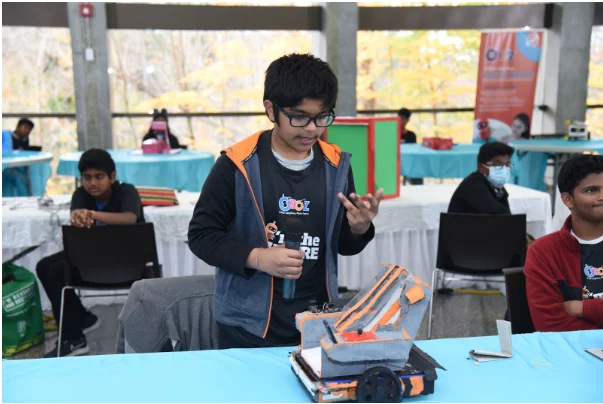
The world of education is evolving, and virtual robotics classes for kids are leading the way in building meaningful, future-ready skills. Through OBotz virtual or in-person learning and guided mentorship, children gain more than technical knowledge — they develop the confidence to approach real-world challenges with creativity and logic. Programs like OBotz are helping make this shift possible by combining structured STEM learning with engaging virtual experiences that keep young minds curious and motivated.
For parents exploring online robotics learning or remote STEM education, these programs offer a powerful blend of flexibility, engagement, and measurable skill development. As technology continues to reshape how children learn, virtual robotics proves that strong problem-solving abilities can grow anywhere — even from a laptop at home.
The best programs, like OBotz, offer a "low floor, high ceiling" approach. This means they start with simple drag-and-drop visual coding but allow students to progress into complex, professional-grade languages as their confidence grows.
Yes. By debugging code, analyzing outcomes, and experimenting with solutions, children strengthen logical reasoning, creativity, and decision-making skills — all essential components of critical thinking.
Programs often include coding interfaces, Virtual Labs, visual programming languages, AI modules, and collaborative platforms that allow students to design and test robots in realistic digital environments.
Remote learning offers flexibility, accessibility, and personalized pacing, while in-person classes provide physical interaction. Many families combine both for a balanced experience.
Absolutely. Most programs start with foundational lessons and gradually introduce advanced concepts, making them ideal for kids with little or no prior coding experience.
Students develop coding proficiency, logical reasoning, teamwork, creativity, project planning, and real-world problem-solving abilities — skills that translate into academic success and future career readiness.